



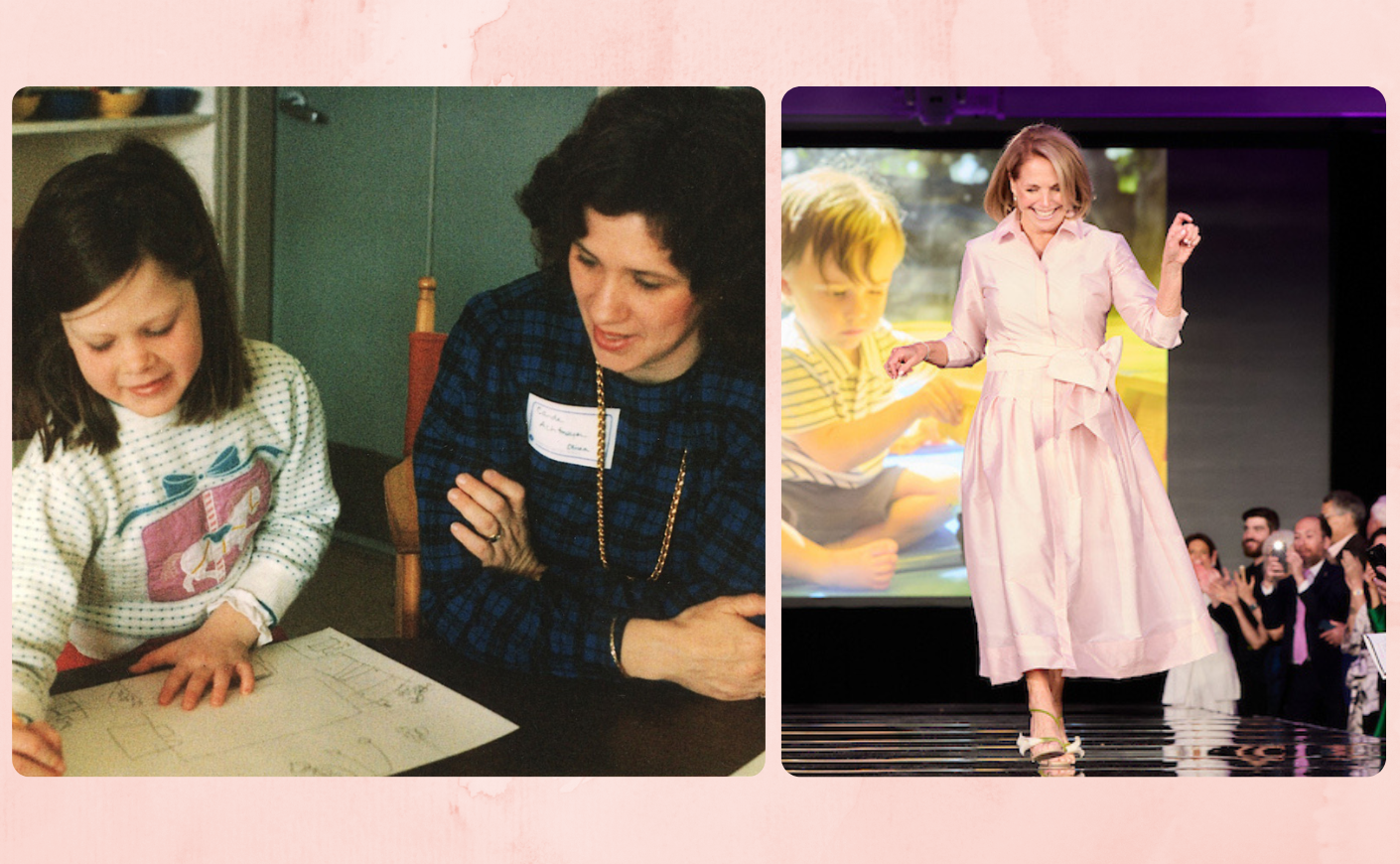
My mother spent her life surrounding the people she loved with magic and elegance. Her friends, her family, and most importantly, her children were her greatest joy. She had a way of creating unexpected pockets of wonder — small, intentional moments that made our childhood feel special. It was never performative; it was simply who she was.
We didn’t know she had breast cancer. She never told us, and she certainly didn't let on that she was sick.
When she was first diagnosed in 1991, I don’t think she was willing to fully accept it. She had just reached that beautiful stage of life where all four of her children were past the baby years and beginning to grow into who we would become. Life was opening up in a new way, and she wasn’t ready to let anything disrupt that. So she put her head down, followed every instruction, and moved through treatment believing she would come out the other side.
And she did, briefly.
But in 1996, the cancer returned, this time metastatic. She lived until 2001 — and I use the word lived very intentionally. She lived every single day with joy. There was dancing in the kitchen, always a sense of elevated style, and an unwavering commitment to pouring love into her children.
She couldn't comprehend that she wouldn’t live to see us as adults. So instead, she protected us from it. She gave us an adolescence free from worry.

I was 20 when she passed. My twin sisters were 18, my brother was 22, and my dad was 45. I’ve been told that her last words before she slipped into a coma were, “Tell my family that I will miss them dearly.”
After she passed, people often asked if I was angry that she hadn’t told us. The answer was always the same: quite the opposite. I was overwhelmed by the depth of her selflessness. She carried that burden so that we wouldn’t have to. She gave us a childhood untouched by fear, and that was an extraordinary gift.
In 2007, I knew I needed to do something to honor her life. Because so much of her world had revolved around us as her children, it felt clear that the best way to honor her would be to support other children — children for whom the cure would not come in time for their parents. I wanted them to feel loved and supported, both emotionally and financially.
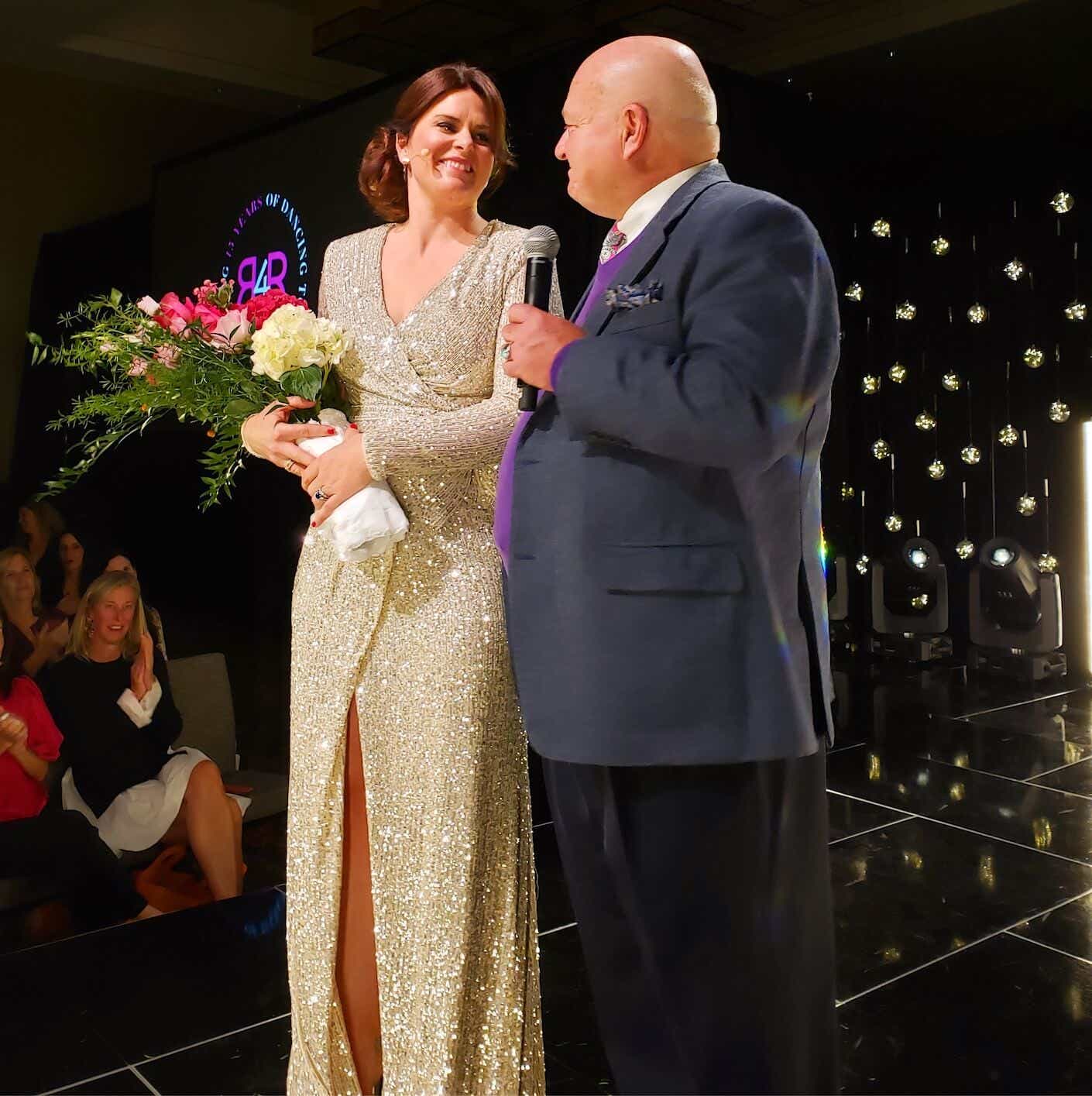
The idea was simple at first. It started with one fundraiser in the form of a fashion show because she was so elegant, always beautifully put together. I called it Runway for Recovery, and it felt different from other charity events; it felt like her.
We asked 10 women to model — each of them either diagnosed with breast cancer or lost their mother to the disease. Seventy-five guests showed up. We raised $13,500.
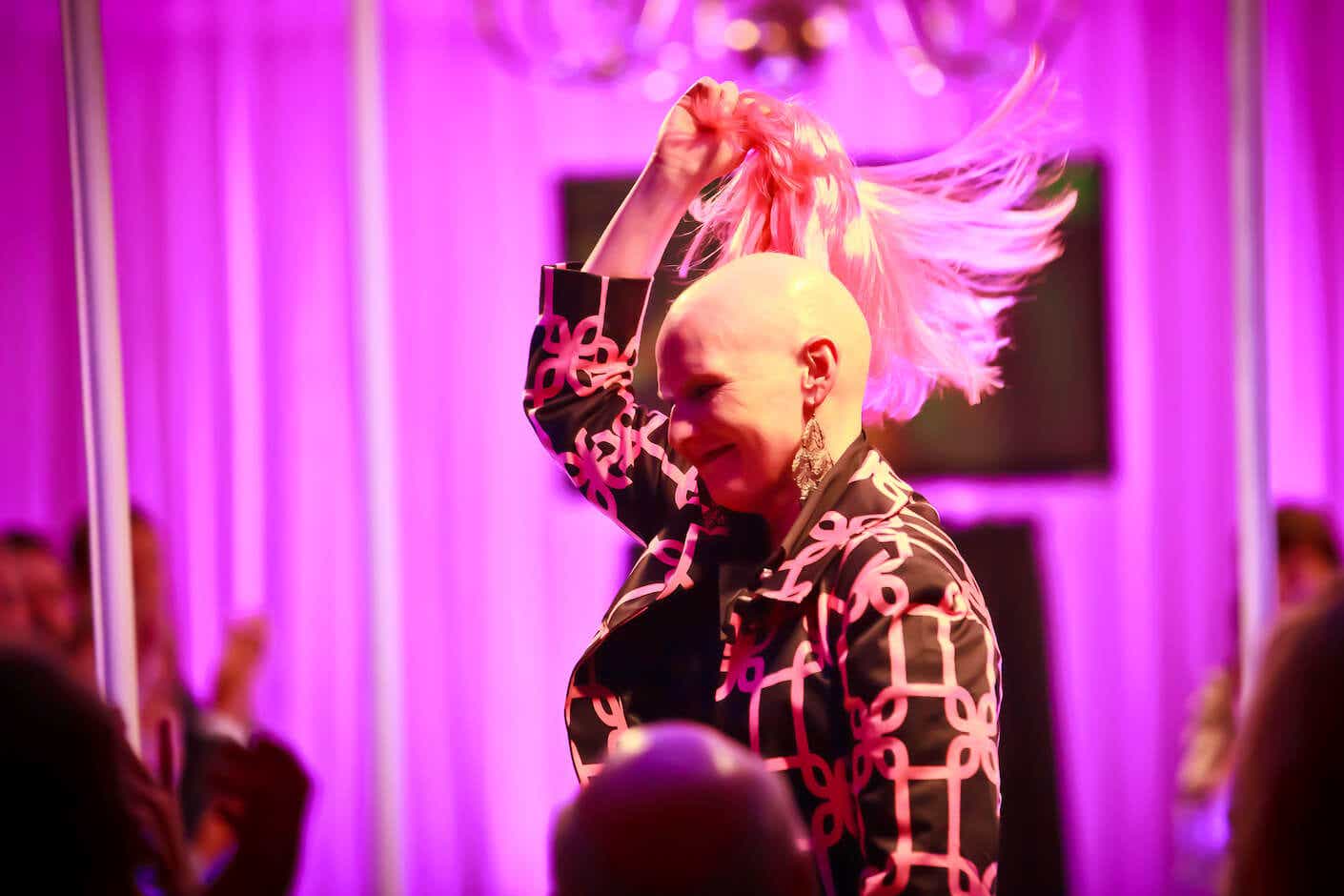
But that first runway show held something much bigger than we anticipated. There was a palpable energy in the room. When you give breast cancer a face — when you celebrate the people in your own community and create a night that feels like the opposite of cancer and loss — you create something powerful. You make people feel alive again.
I continued to host runway shows for 13 years while working full-time as an educator. Over time, the stories became the heartbeat of the work.
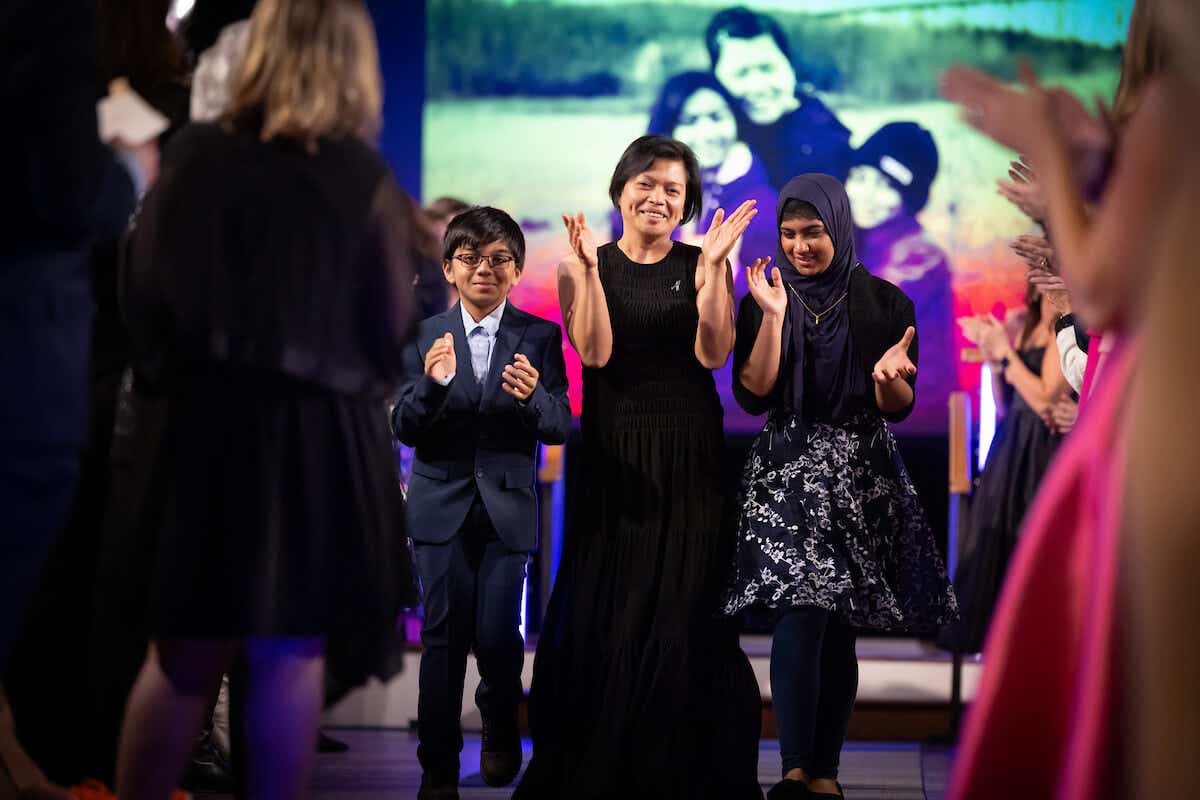
I will never forget the time a mother knew she wouldn’t live until the event. She asked if we could help her record a message for her son — a video he could watch when he missed her. I spent a couple of hours with her and our video team, capturing the stories only a mother can tell about her child. The strength she embodied was beyond anything I had ever seen — only matched by the strength of her 12-year-old son, who danced in her memory just a month after she passed. It reinforced something I see over and over again: the depth of maternal strength is extraordinary.
There are other moments that have stayed with me just as clearly. I remember a woman calling me the minute she was diagnosed. She said, “Olivia, this is not my entire story. This is a piece of it. And I will dance and be seen on your runway this October.” And she did. She showed up. She danced.
Runway for Recovery
Runway for Recovery
Runway for Recovery
Runway for Recovery
By 2019, it was clear that Runway for Recovery had outgrown being something I could do on the side. I had gotten married, had three boys in three and a half years, and Runway had outgrown every space we moved it to in Boston. On July 1, 2019, I became executive director, with a vision to build Runway into a year-round organization.
Families now apply directly to us if they have a loved one diagnosed with stage IV breast cancer or if they have lost a parent to the disease. We provide grants between $10,000 and $30,000 and pair that support with social workers who walk alongside each family. In 2020, we funded 12 families. Today, we are funding 95 families annually. Since our founding, we have raised $11 million in support of this work.
As we’ve grown, so too has our reach. In 2022, we expanded to Southern California. In 2025, we brought Runway to New York City. Today, we host runway shows and events in Boston, NYC, and Southern California, each one rooted in the same spirit of connection, celebration, and community. We recently held our 25th runway show since 2007.
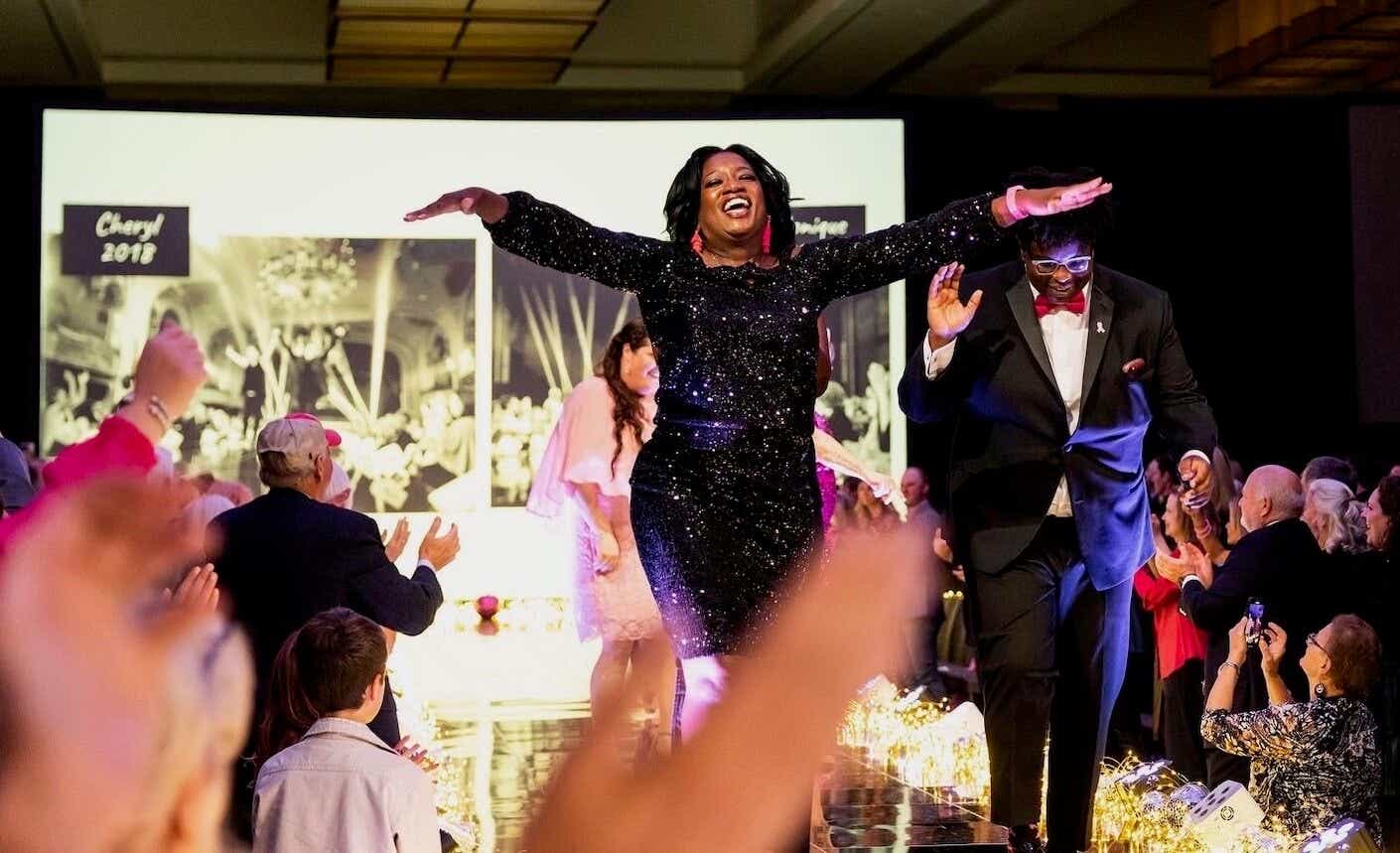
And through all of that growth, one thing remains unchanged: At the heart of every Runway for Recovery show is joy. It's an evening to celebrate.
Thousands of models have now walked our stage. As we head into our 20th anniversary year in Boston, our community continues to grow with people who want a way to honor their experiences or stand beside those they love. We have become a place to remember, to celebrate, and to keep people present in a meaningful way.
And our focus remains exactly where it started: on the children. The children like me.
If our grants can help cover summer camp, extracurricular activities, groceries, rent, or transportation to treatment — if we can alleviate even a small piece of the stress these families carry — then we're doing what we set out to do. We're creating space for them to live, to remember, and to navigate a new normal.
We sit with them. We hold space for them. We cheer them on.
And in so many ways, this work continues to reflect the legacy of my mother — the magic, the strength, the quiet decision to protect joy even in the hardest moments.
I will never be more grateful for the way Katie Couric has used her platform to give us the opportunity to tell the Runway for Recovery story. And she had the most incredible moves this past Thursday night at the NYC event at Pier 60, but more importantly, she continues to remind all of us to advocate for ourselves, especially when it comes to our health and our scans.
This has never felt like a job to me. It has always felt like an enormous honor.
If you'd like to donate and support our work, please visit this page. If you'd like to apply for funding, our next grant cycle opens on July 1, 2026, and you can apply online. If you'd like to model on one of our runways, please let us know.