






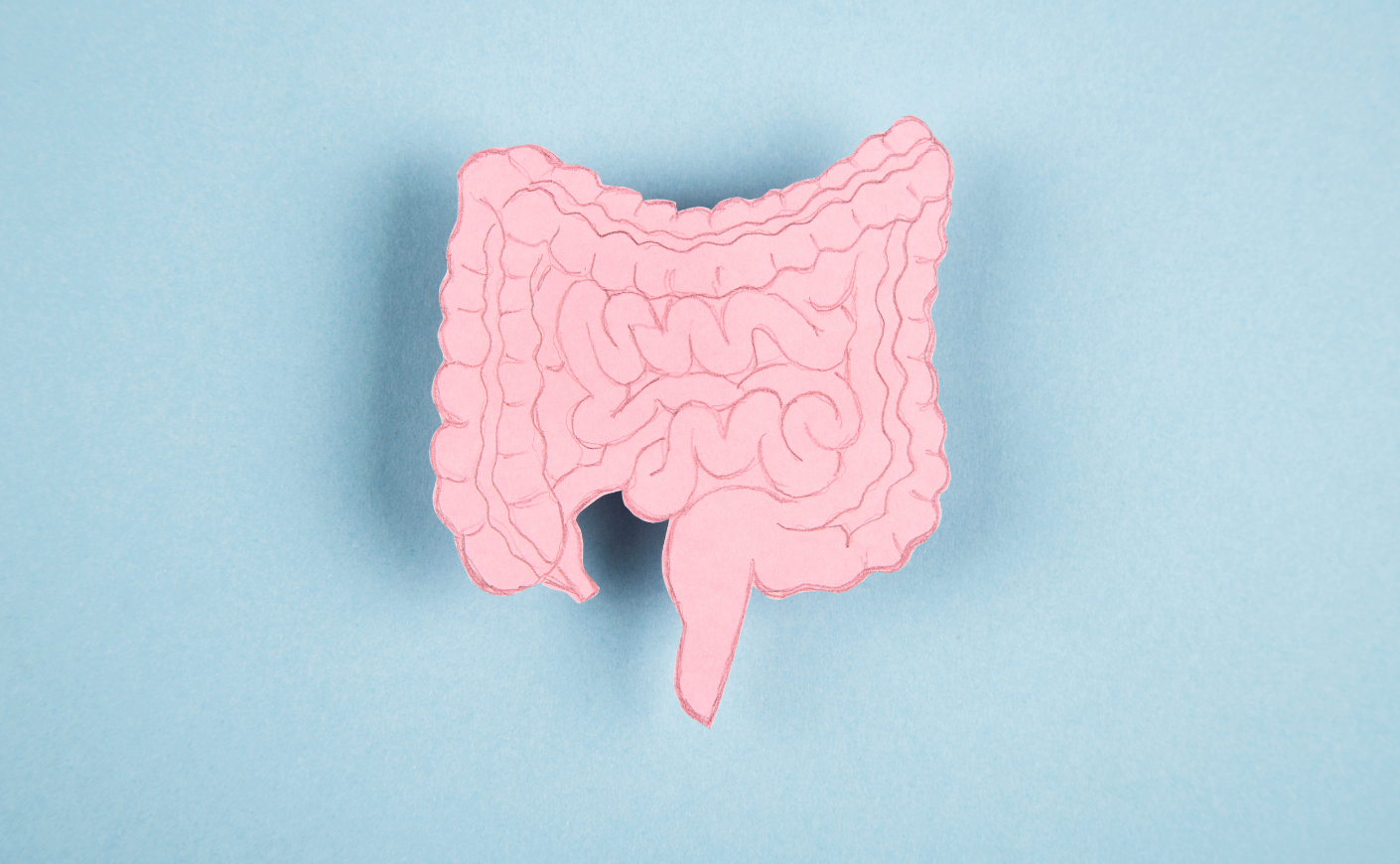
When John Marshall, MD, began practicing oncology 30 years ago, “no young people got colorectal cancer,” he tells us. “Now, [that demographic] is about a third of my clinic.”
Initially, experts believed the rise in early-onset CRC was tied to the obesity epidemic or a lack of exercise. But Dr. Marshall says many of his patients under 50 are exceptionally fit and health-conscious: “It became clear that something else had to be driving this.”
One of the leading theories today has to do with what’s known as the gut microbiome, the universe of bacteria, fungi, parasites, and viruses that have colonized our intestines. In recent years, scientists have discovered that this intricate ecosystem does much more than help break down the food we eat. It plays a key role in regulating our metabolism and warding off dangerous pathogens — and when it’s knocked out of balance, it’s been implicated in a range of serious chronic conditions from Alzheimer’s to rheumatoid arthritis and colorectal cancer.
Precisely what that link is, though, is still a mystery. Is a particular type of bacteria at fault, or the mix of microorganisms that’s driving the disease, or both? Researchers are also studying the effects of microplastics and antibiotics and how they could be quietly exerting their influence on the microorganisms living within us.
Bacteria linked to colorectal cancer
Scientists are beginning to pinpoint the types of bacteria that may be directly fueling tumor growth in the colon or rectum or throwing the gut microbiome out of whack.
One potential culprit is Fusobacterium nucleatum, which is normally found in the mouth. But in CRC patients, the microbe seems to thrive in the gut, and researchers suspect it may supercharge tumor growth, says Nadim Ajami, Ph.D., a microbiome researcher at MD Anderson Cancer Center. One recent study found that people with CRC were five times as likely to have F. nucleatum in their stool as healthy individuals.

Another microbe under the microscope is Bacteroides fragilis, which produces a toxin that can damage DNA in cells within the colon, Dr. Ajami says. The puzzling thing is, unlike F. nucleatum, this bacterium is quite common in the GI tract, even among people who never develop CRC. Researchers suspect that in healthy individuals, these “bad bugs are kept at bay,” Dr. Ajami tells us, but when the gut microbiome is thrown out of balance — a state called dysbiosis — B. Fragilis can wreak havoc.
Other factors at play
Dysbiosis, which occurs when the number of beneficial bacteria begins to dwindle and the ranks of harmful species grow, may contribute to the development of CRC. This microbial imbalance leads to chronic gut inflammation and erosion of the mucus layer lining the GI tract, which helps protect the intestine from harmful bacteria.
Several things can trigger dysbiosis. Ultra-processed foods, for one, have been shown to disrupt the microbiome, as has antibiotic overuse. Most common antibiotics are prescribed to help fight an infection, but they do so by indiscriminately killing off both bad and good bugs. Diversity within the gut is often restored over time, but studies show repeated use can lead to dysbiosis.
Another area of focus is microplastics, microscopic flecks shed from things like water bottles and polyester that have contaminated our water, food, and soil. There’s growing evidence that microplastics are accumulating in our bodies and may also harm the gut, triggering dysbiosis and compromising the mucus lining.
Any and all of these factors seem plausible for the steep rise in young-onset CRC over the past few decades, known as the “birth-cohort effect,” where people born after the 1950s appear to be at increased risk of developing the disease. Older people simply didn't have as much exposure to ultra-processed foods, microplastics, and antibiotics — particularly at a young age when the gut microbiome is developing and diversifying. But Dr. Marshall says, although important research is being done to unravel this mystery, at the moment, “No one really knows what’s to blame.”
How to nourish your gut microbiome
Fortunately, there are some proven ways to cultivate and support a healthy gut microbiome. One of the most beneficial things you can do, Dr. Ajami says, is to make sure you’re getting enough fiber in your diet, through vegetables, fruits, and legumes. Fiber supports good bacteria, and “helps keep the microbiome nourished,” he tells us. You can also try packing your plate with fermented foods, such as yogurt, kimchi, and kefir, which have been shown to promote microbial diversity.
Meat and alcohol can cause less diversity in the gut and help pro-inflammatory bacteria thrive, so reducing intake of both is also a good idea, he says.
“When it comes to colorectal cancer, I don’t want to minimize the other risks, but making sure your gut microbiome is nurtured is an essential part of overall health,” Dr. Ajami says.
