



A few months ago, a young woman came into the emergency department with wheezing and throat irritation that would not let up.
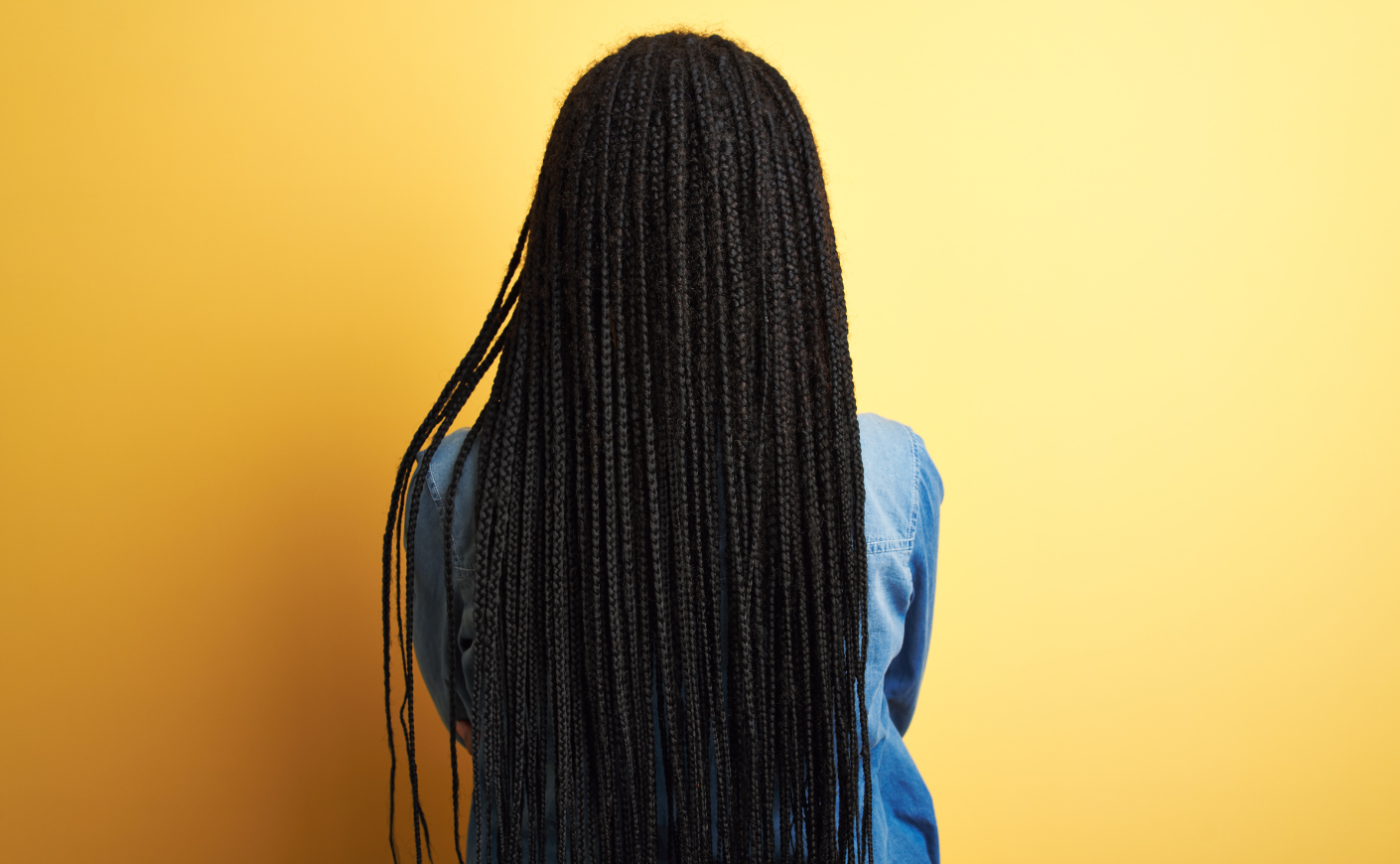
She had no history of asthma, no recent illness, and hadn't taken any new medications. But during our conversation, she mentioned she had spent the weekend getting her hair braided. The install took hours. There was heat, steam, and a chemical smell she assumed was normal.
Was her hairstyle the cause of her symptoms? I can’t say for sure.
But as physicians, we're trained to notice patterns. And lately, I've been thinking more about something many of us rarely question: What we are exposed to through our everyday products?
As a Black woman, I wear braids. As a mother, I've watched little girls sit patiently for hours while their hair is styled. Braids are culture, protection, and identity — they shouldn't come with hidden health tradeoffs.
Dangerous chemicals and compounds you could encounter during the hair braiding process
Independent laboratory testing of certain synthetic braiding hair products has identified volatile organic compounds (VOCs) and other chemicals of concern.
Some reports have detected benzene, a known human carcinogen linked to blood cancers, and lead, a neurotoxin with no safe level of exposure, especially for children.
Other analyses have identified phthalates, which are associated with endocrine disruption, and formaldehyde-releasing preservatives, which can irritate the airways and are linked to cancer with chronic exposure.
In some cases, these compounds were detected when hair was heated or dipped in hot water during installation. That matters because braiding often involves sealing ends with hot water or using heat to set a style. That also changes the exposure pathway. It’s not only about scalp contact; these toxins can be released into the air. Stylists, who do multiple installs a day, may face higher cumulative exposure over time.
And yet ingredient labels rarely make this clear. Most consumers have no idea what may be in the hair, or what could be released during the process.
“Human hair” is not automatically safer
Many people assume human hair is the safer choice, but that's not always the case.
Imported human hair is often processed to alter texture, remove cuticles, or change color. Without clear disclosure, it can be hard to know what treatments were used before the product ever reaches the shelf.
Recently, there have been calls to more closely regulate these products. Cosmetics have historically faced less federal oversight than food or pharmaceuticals, but in 2022, the Modernization of Cosmetics Regulation Act gave the FDA expanded authority over cosmetic safety. This was an important step forward, but implementation is still unfolding, ingredient transparency remains inconsistent, and independent testing is not universal — leaving consumers guessing.
Why this matters beyond beauty
In medicine, we talk about prevention as an individual responsibility. We instruct patients to eat well, exercise, and get screened. But prevention is also environmental. It's about what we breathe, touch, and absorb.
Chronic exposure to certain endocrine-disrupting chemicals has been associated with reproductive health challenges, hormone-sensitive cancers, asthma, and adverse pregnancy outcomes, according to the National Institutes of Health.
We can’t say braiding hair alone causes these outcomes. Health is complex, and exposures accumulate over time and across settings. But we can say this: repeated exposure to chemicals already known to carry health risks shouldn’t be brushed aside, especially when the people most likely to be exposed have the least transparency.
Black women already carry disproportionate environmental burdens. When products marketed primarily to Black consumers may contain harmful substances, it raises a public health question we should take seriously.
Quick, practical steps you can take now
- Wash natural and synthetic braiding hair before installation to reduce potential surface residues
- Ensure strong ventilation during installation, especially when sealing ends with hot water
- Avoid burning hair ends when possible
- Ask brands about independent safety testing
- Support companies that disclose ingredients and safety practices
- If you ever have trouble breathing or develop a headache while having your hair styled, seek urgent care.
These steps may reduce exposure, but they aren't a substitute for accountability.
Questions to ask your stylist or braider
- Do you notice strong fumes or a chemical smell with certain hair brands?
- Can we install in a well-ventilated space, with a fan or open windows?
- Can we avoid burning ends, and use hot water sealing carefully?
- Do you have brands you trust that are more transparent about ingredients or testing?
- If I bring pre-washed hair, will that work with your process?
- If my scalp gets irritated or my breathing feels tight, what’s the safest way to pause or adjust?
The bigger question
Braids are not the problem; lack of oversight is. Cultural expression should not require a tradeoff. Black women drive global beauty trends: We innovate, build entire markets, and deserve transparency.
In the emergency department, I often meet patients at the moment prevention has already failed. My hope is that this conversation happens much earlier than that. Because prevention doesn’t start in a hospital. It starts with the standards we demand — and the transparency we refuse to live without.
Uché Blackstock, MD, is an emergency physician, founder and CEO of Advancing Health Equity, and the bestselling author of Legacy: A Black Physician Reckons with Racism in Medicine.