






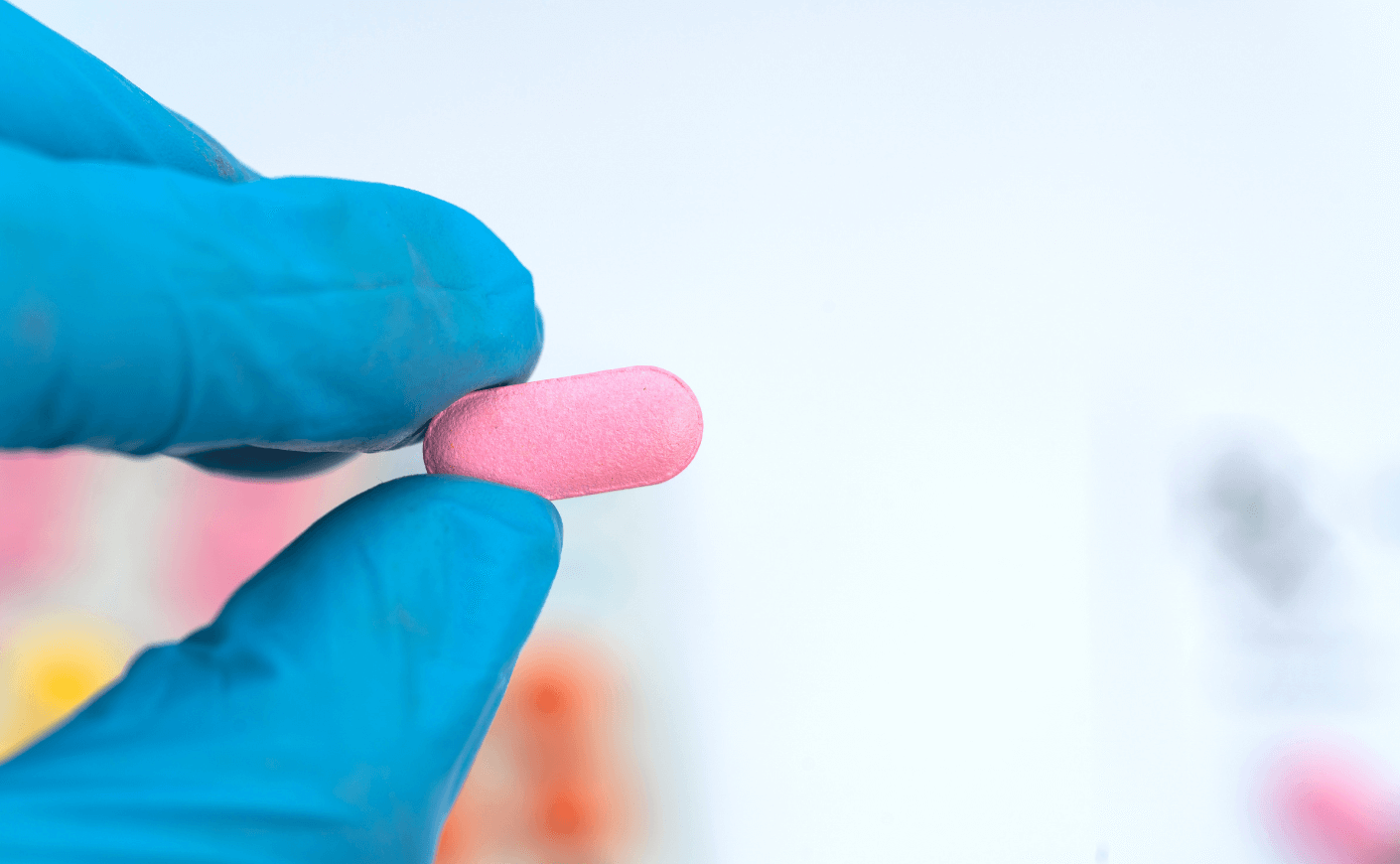
When the drug Addyi was approved by the FDA in 2015 as the first treatment for hypoactive sexual desire disorder in women, it sparked a debate that went far beyond medicine. Supporters called it a long-overdue step toward addressing women’s sexual health; critics questioned whether the drug was effective or necessary. The new documentary The Pink Pill: Sex, Drugs & Who Has Control? digs into that controversy — and the cultural assumptions about women’s pleasure, research priorities, and regulatory standards that shaped the fight.
At the center of the story is Cindy Eckert, the entrepreneur who helped bring Addyi to market, founded Sprout Pharmaceuticals, and became one of this pill's most outspoken advocates. Below, she and the film's executive producer Abby Greensfelder — CEO of Everywoman Studios — reflect on the moment Eckert and Sprout decided to take on this battle, the bias Cindy says she encountered during the FDA approval process, and why they believe the conversation about women’s sexual health is still far from over.
What inspired you to fight for Addyi?
CE: I think the fight chose me. How can you witness such a blatant double standard and not do something about it? There were 26 different FDA approved medications for men to lead a more satisfying sex life, but not a single one for women in the face of scientific evidence that could offer them one. The resistance revealed a cultural truth I couldn’t unsee. We valued men’s pleasure and dismissed women’s. That didn’t sit right with me.
What were the most challenging moments in the FDA approval process?
CE: The hardest part wasn’t the mountain of scientific evidence required, it was everything the science had to survive. The bias. The moving goalposts. That women’s sexual health had to clear a higher bar than men’s. Every single time.
I’ll never forget our first meeting with the FDA — a person in the room actually said, “What do we need a bunch of horny women running around for?” I remember thinking, Did they just say that out loud? Because that’s the whole problem in one sentence.

What are the biggest gaps in women’s sexual health research today?
CE: That we still say there’s a gap when there was more clinical trial data submitted to FDA to approve a treatment option for women than any of the male drugs. The gap isn’t scientific research, it's that we treat women’s sexual health like it’s optional.
How do you respondi to critics who compare Addyi to male sexual dysfunction meds?
CE: People love to ask, “Well, how does this compare to the drugs for men?” And my answer is it doesn’t. Women’s biology isn’t just a pink version of men’s. Addyi works on brain chemistry, Viagra works on blood flow.
What do you hope audiences take away from the documentary?
CE: I hope the next time they are underestimated, overlooked or blatantly dismissed they demand better. For themselves. And for each other.
AG: As one of the executive producers and producers of The Pink Pill documentary, I made it to spark an essential, overdue conversation about women's health — especially sexual health and pleasure, which have too often been minimized or stigmatized. For those already working in women's health advocacy, I hope this documentary validates the urgency of this issue and strengthens the call for equity in research, funding, and access to care.
For viewers who may be new to this conversation, we hope the film opens their eyes to how deeply this gap affects women's lives and empowers them to ask questions, seek information, and advocate for themselves.
Women deserve to know all of their options and to have equal access to treatments. My greatest hope is that this film helps remove stigma so women feel confident having these conversations with their doctors and with each other.
This film has been a labor of love, bold conversations, and fearless storytelling — and we can't wait for viewers to experience it. The documentary premiered on Paramount+ and Paramount+ Canada on March 6, and we invite people not just to watch, but to participate and get talking: Share your story, start conversations in your community, follow us on social, or host a grassroots screening by connecting with us at @thepinkpillfilm or thepinkpillfilm.com. This movement grows when more voices join it.
