






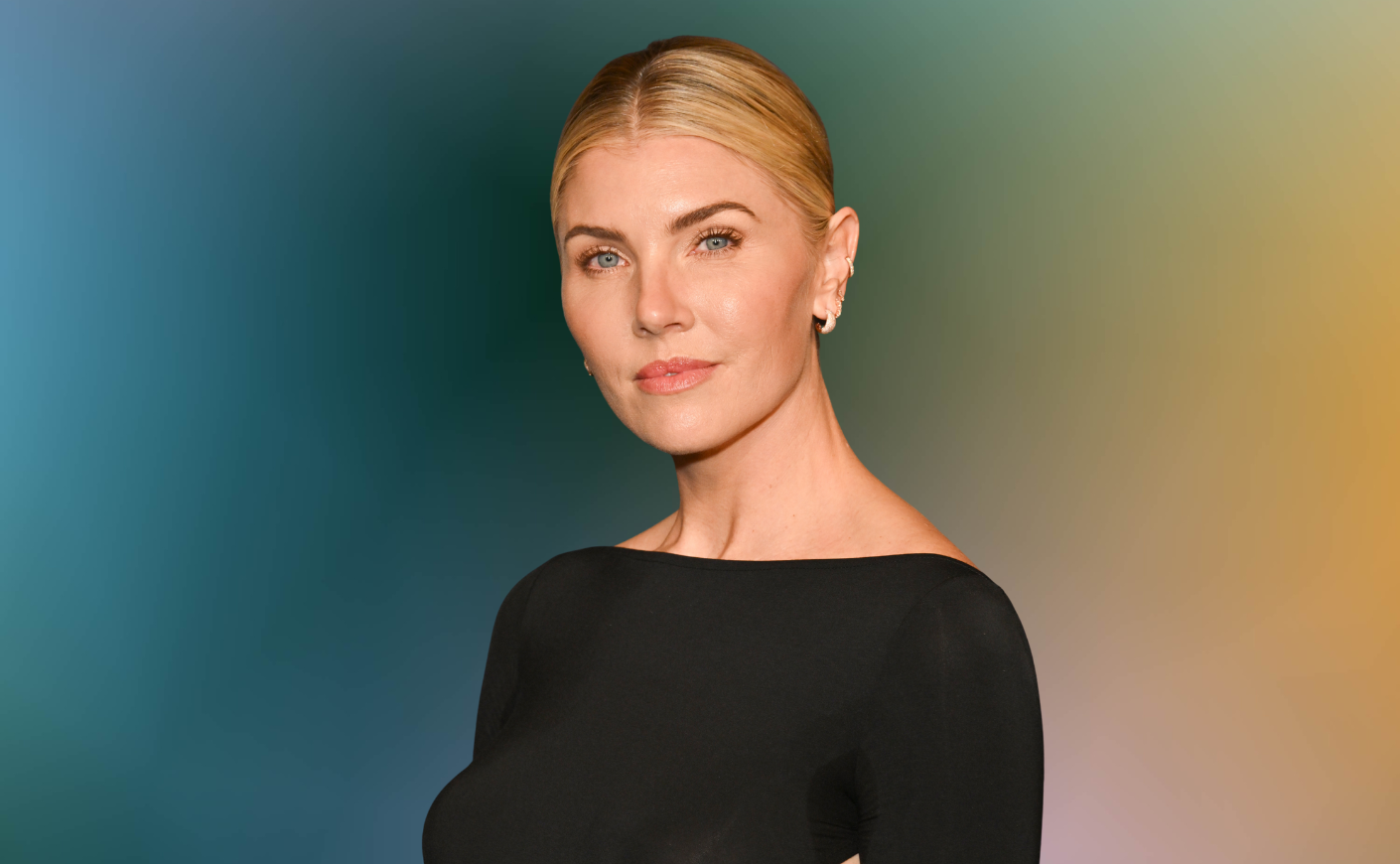
Six years after the death of her husband, Nick Cordero, Amanda Kloots is still grieving. But she no longer thinks of grief only as something to survive.
In 2020, millions followed as Kloots documented Cordero’s battle with Covid complications: a 95-day hospitalization, months on a ventilator, multiple infections, and the amputation of his right leg. Pandemic restrictions often kept her from his bedside as she cared for their infant son, Elvis.
Through it all, Kloots was never afraid to share the rawest version of her pain. Cordero became a face of Covid’s devastating impact in part because he was a celebrated Broadway performer, but also because Kloots allowed the public to follow his fight in real time. When he died in July 2020, the community that had rallied around their family remained with her as she entered the next chapter of her life with grief.
As Kloots continues making sense of an experience she never expected, she’s building on the connection that formed during Cordero’s illness. Now, she’s channeling what she has learned into a podcast that takes the conversation further.
Good Grief, launching Aug. 5, will explore many facets and forms of loss — not only the death of a loved one. “When my husband Nick died, people talked to me about surviving grief, but nobody talked to me about what grief might teach me,” she says in the podcast trailer. Kloots will interview experts and people with lived experience, including Zach Braff and Harry Jowsey, to explore “the unexpected gifts that can emerge from our hardest chapters.”
We spoke to Kloots, a longtime friend of KCM, about how making the podcast affected her personal growth and what surprised her along the way.

Katie Couric Media: Why did you want to make the podcast? Was it healing?
Amanda Kloots: I’ve been brainstorming and pitching different podcasts for a couple of years now. It’s funny how timing in life is so important because I've realized I wasn’t actually ready a year ago, but now I am. I spend a lot of time connecting with fellow widows and widowers who are grieving, and I’ve spent six years doing massive amounts of therapy. I’ve learned a lot about grief and truly believe that we need to help each other through it. The grief community has helped me so much, and it’s time to give back. So far I’ve found recording these episodes incredibly powerful; I want to keep doing it forever. We have to help each other.
What else did you rely on for healing in your grief journey? What would you recommend others looking for ways to navigate this time?
A lot of therapy! You name it, I’ve tried it. I don’t like feeling stuck or depressed, so [after Nick died], I turned to action to find ways I could help myself understand the pain and emotion rather than live in it. I’ve learned to live with it, but not in it. I would recommend community first and foremost. It’s free, and there’s nothing like talking to someone who understands your pain. It makes you feel less alone in an experience that can be very isolating.
How would you describe where you are in your grief journey?
Continually learning and staying curious. I’ve made a big switch, though, to loving myself in grief. I love this new version of me, and that is thanks to grief. It still hurts, it still hits hard, but I don’t wish it would go away anymore.
You’ve said this show will explore grief beyond the death of a loved one — including the loss of a relationship, a career, or a former version of yourself. What have you learned about the kinds of grief people often minimize or don’t believe they’re “allowed” to mourn?
When so many of my friends lost their homes in the LA fires, it really hit me. It felt like PTSD. I immediately understood how their lives changed immediately, their future destroyed, their safety taken away from them. That’s grief. Then when my sister recently went through a miscarriage, and she was gaslighting her own grief, it made me realize that her pain was incredibly valid and should be honored. All types of grief need to be talked about because they all hit us and affect us differently. It's unfortunate that we don’t build up grief tolerance, but we don’t. No grief is the same, and we will all face different versions of it throughout our lifetime.
After hearing so many other people’s experiences with loss, what have you come to understand about grief that you couldn’t have learned from your own experience alone?
I really am continually surprised at how different grief experiences don’t teach you the same thing. I wish that once you experienced grief, you had a set of skills that could apply to another type of grief, but it just doesn’t work that way.
The podcast presents grief as something that can create good, too. How so? What has it brought you or illuminated for you?
I would have never said this even a year ago. However, in a recent therapy session, I saw a new light on the beautiful things grief has taught me. It started off being my annoying roommate that I wanted so desperately to get rid of, but now I’ve learned how to live with grief, and I’ve learned to love the woman it created. So because of that, I do believe in Good Grief because grief taught me how to truly live.
