


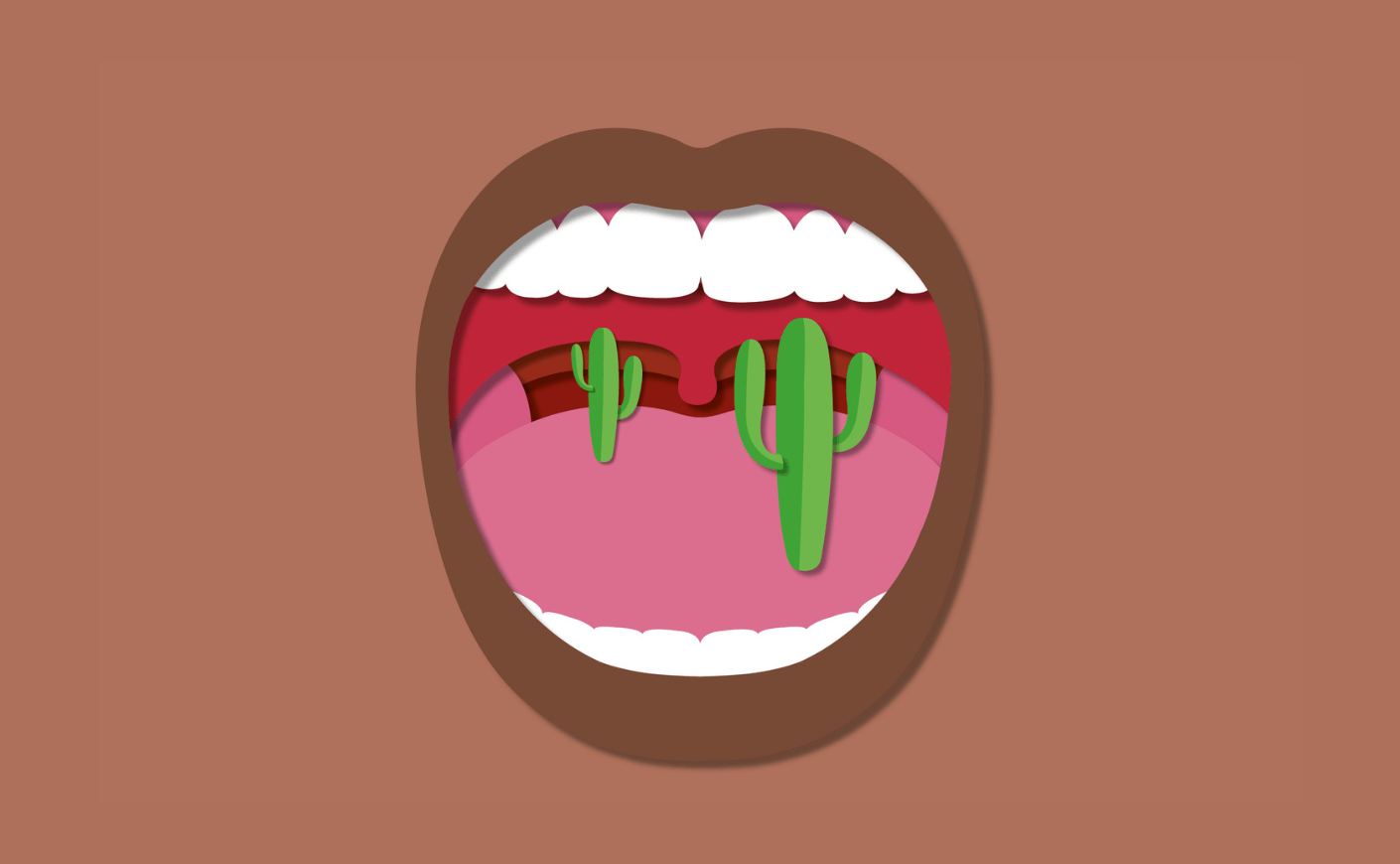
Did I ever think I’d be writing an essay about saliva? Well, no, but here we are — and with good reason, as it turns out. Despite being ever-present, saliva is one of those things you’ve likely never thought much about (I certainly hadn’t), and something you only really consider once it goes missing.
When I spoke to Dr. William Giannobile recently for my podcast, he mentioned this under-discussed phenomenon, and I started doing some research on my own. According to the National Institute of Dental and Craniofacial Research (NIDCR), part of the National Institutes of Health, a shortage of saliva — its technical name is xerostomia, but you can call it dry mouth for short — can increase risk of tooth decay, infections, and even tooth loss. In other words, dry mouth isn’t just a nuisance. It can be a genuine threat to our dental health. Also alarming: our typical go-tos for addressing the condition, like a stick of sugary gum or a mint, can make the problem worse, and anyone can suffer dry mouth’s negative effects, even dedicated brushers and flossers.
But here’s the good news: There are steps you can take to tackle this. Here’s what you need to know.
Saliva is your teeth’s unsung hero
It helps us chew and swallow, of course, but it also washes away food particles, keeps harmful bacteria in check, and delivers minerals like calcium and phosphate to our teeth to strengthen their enamel (the hard outer coating of your teeth). The NIDCR advises thinking of it this way: Your teeth participate in a daily game of tug-of-war. Bacteria feed on sugars and starches from what we eat and drink, producing acids that gradually wear down our tooth enamel. Saliva helps counteract those acids. (The fluoride in your toothpaste helps with that protective work, too.)
However, when saliva production drops, we lose some of that natural defense system. Food particles and acids may linger longer, making our teeth more vulnerable to decay. The game of tug-of-war becomes more one-sided, and that’s a losing proposition for your teeth.
The tricky part? You might be doing everything else right. You can brush twice a day, floss regularly, and visit your dentist for checkups, and still face an increased risk of cavities if your mouth isn't producing enough saliva. (A little unfair, right?)

What’s causing your mouth to feel dry?
Occasional dry mouth can happen to anyone, especially when we’re nervous, stressed, or dehydrated. But persistent dry mouth is worth investigating. One common culprit is medication. The NIDCR notes that hundreds of medications can reduce saliva production, including certain drugs used to treat high blood pressure, depression, and bladder-control problems. Some antihistamines and decongestants can also be a cause. That helps explain why dry mouth can be common as we age: People often take multiple medications as they get older, potentially increasing the likelihood of experiencing this side effect.
Dry mouth is associated with certain health conditions, including diabetes and Sjögren’s disease, an autoimmune disorder that can affect the glands responsible for producing saliva. Radiation treatment involving the head and neck area or damage to salivary glands can contribute, as well.
And while occasional dryness isn't necessarily cause for alarm, we shouldn't automatically file persistent symptoms under "just getting older." In fact, the NIDCR specifically notes that dry mouth is not a normal part of aging! If your mouth frequently feels sticky or parched, you have trouble swallowing dry foods, the skin on your lips often cracks, or you notice a persistent bad taste in your mouth or recurring mouth sores, it's worth mentioning to your dentist.
Why common solutions could backfire
When your mouth is dry, it's natural to reach for something that stimulates saliva. A mint or lozenge seems like an easy fix, and sucking on candy can indeed encourage saliva production. But there's a catch: If that candy contains sugar, you could be making the issue worse. (As I admitted to Dr. Giannobile, I have a terrible sweet tooth, so this wasn't great news.) Remember how bacteria in the mouth use sugar to produce enamel-damaging acids? Frequent exposure to those acids gives your teeth less time to recover between attacks. If saliva is already in short supply, your mouth may have a harder time protecting itself.
A better bet is sugar-free gum or sugar-free hard candy to stimulate saliva without adding further cavity risk. Some products containing xylitol may offer additional benefits for preventing tooth decay, although they aren't a substitute for good oral hygiene or dental care. Speaking of oral hygiene, if you’re a mouthwash user, keep an eye on the label: Alcohol-containing products can worsen dryness.
A smart solution to chronic dry mouth is the most obvious one: water. Sip it throughout the day, particularly when eating, and keep some nearby if mouth dryness tends to bother you at night.
How to protect your teeth
There are ways to manage dry mouth, but it’s important not to confuse making your mouth feel more comfortable and protecting your teeth — because in this case, they aren’t necessarily the same thing. Here are a few steps worth considering:
- Keep up with your oral care. Brush twice a day with fluoride toothpaste and floss daily. Your dentist may recommend additional fluoride protection if you're at higher risk for cavities.
- Ask about your medications. If you suspect a prescription or over-the-counter medicine is contributing to your dry mouth, talk to your doctor or pharmacist. They may be able to recommend an alternative or adjust your treatment. Don't stop taking a prescribed medication on your own.
- Explore products designed for dry mouth. Saliva substitutes and moisturizing gels or sprays may help relieve symptoms. Your dentist or doctor can help you decide which options make the most sense for you.
- Schedule regular dental visits. Tell your dentist if you experience persistent dryness. They can look for early signs of decay and recommend preventive measures, like more frequent cleanings or fluoride treatments.
And because it bears repeating: Drink water regularly. It won't necessarily fix the underlying factors causing your dry mouth, but it can still help keep your mouth moist while also reducing discomfort.
It's easy to dismiss dry mouth as an annoyance, especially when a sip of water or a mint seems to take care of it for a while. But saliva is doing some pretty remarkable work every day, helping to protect our teeth in ways we rarely consider. And again, if your mouth is persistently dry, bring it up with your doctor or dentist. Because this isn't just about your comfort, but the long-term health of your smile!
