


Sponsored by 
When the COVID-19 pandemic brought the world to a standstill in 2020, Laura Rinck, in her mid-50s, did her best to stay active. Between practicing Pilates and walking several miles a day, Rinck felt strong and believed she was healthy. So when her endocrinologist suggested a routine bone density test called a DXA (pronounced “dex-a”) scan a few years later, she expected good results. Instead, what her doctor told her stunned her: She had advanced bone loss with a very high risk of breaking a bone, especially for her age.
Rinck understood the severity of her postmenopausal osteoporosis when her doctor warned her that something as simple as rolling over in bed could cause a fracture. As an active person, she worried deeply about what a broken bone could mean for her: the loss of her independence and the full lifestyle she loved. She’d watched her mother experience two life-altering hip fractures and knew she had to take action before it was too late.
Now, Rinck is urging women with postmenopausal osteoporosis to learn about fracture risk at BuildingYourBones.com and understand treatment options to build new bone.
"I was doing what I believed were all the right things to stay strong and healthy so I didn't think someone like me could be diagnosed with postmenopausal osteoporosis,” says Rinck. “I’m sharing my story to encourage women like me to take control of their bone strength.”
Uncovering a “silent disease”
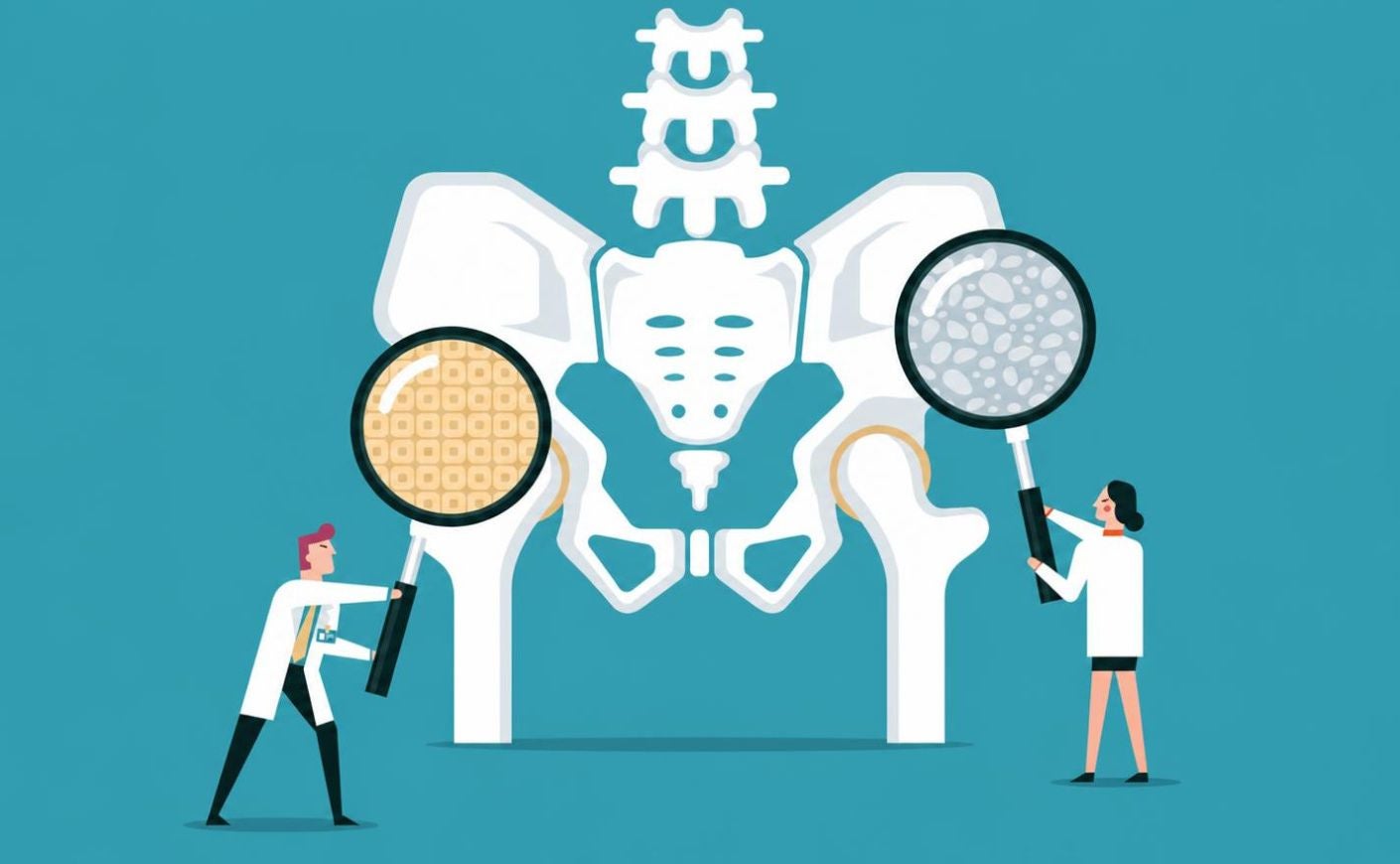
Postmenopausal osteoporosis is known as a “silent disease” because bone loss occurs without outward symptoms. Many women don't know they have the condition until they break a bone.
“Around menopause, estrogen loss causes a woman's body to lose more bone than it creates, resulting in significantly weaker bones that are vulnerable to fractures,” says orthopedic surgeon Shannon Carpenter, MD, FAAOS. “Within five to seven years of menopause, women can lose up to 20 percent of their bone density. In the U.S. alone, osteoporosis-related fractures contribute to more than 500,000 hospital admissions every year." Certain factors, like a family history of osteoporosis, can increase fracture risk. This was the case for Rinck, whose mother suffered a fractured hip from osteoporosis.
Unfortunately, all too often a first break is a warning that there may be more to come. Further, following an osteoporosis-related fracture, a woman is five times more likely to suffer another break within just one year.
"I couldn't believe it"
Rinck initially attempted to address her postmenopausal osteoporosis with careful diet and exercise habits, with her doctor's guidance. She saw it as a temporary setback she could overcome through determination and discipline. After a year of regimented nutrition and physical activity, Rinck’s follow-up DXA scan once again yielded troubling results: She had suffered further significant bone loss.
“I couldn’t believe it,” Rinck says. “It felt like my body was going biologically bankrupt.”
Dr. Carpenter notes that while diet, supplements, and weight-bearing exercise are all important aspects of preventing bone density loss, for women diagnosed with postmenopausal osteoporosis, lifestyle changes alone often aren't enough to reduce the risk of breaking a bone. “The treatment landscape has evolved significantly, moving beyond older therapies that only slow bone loss to modern treatment options that can actively build new bone density,” she elaborates.
Rinck accepted she couldn’t reverse the bone density loss on her own. “It finally clicked for me that getting treatment was the best way for me to rebuild bone and reduce my risk of a potentially life-altering bone break,” Rinck says.
Rebuilding strength

Rinck’s physician recommended EVENITY® (romosozumab-aqqg), a treatment for women with postmenopausal osteoporosis who are at a high risk for fracture. EVENITY reduces fracture risk and increases bone density in just 12 months. EVENITY does have a warning for serious side effects, including heart-related risks, so please be sure to review the Important Safety Information below.
After her EVENITY treatment, Rinck finally received some good news: The bone density in her lower spine had improved by 20 percent. Taking proactive steps to reduce her fracture risk helped Rinck regain confidence to return to more of the active and adventurous lifestyle she’d grown to love.
Putting bone strength on the main stage of postmenopausal health
Women who have been through menopause know the importance of getting mammograms and tracking their heart health, but bone health is just not top of mind for a lot of women. Treating DXA scans like we do other health screenings could help prevent a lot of broken bones.
Laura Rinck
For too long, women have been passive participants in their bone strength, but education and open dialogue can change that. Rinck emphasizes the importance of considering bone strength in broader conversations about women’s healthy aging, and she’s working to reduce the stigma around menopause and the years that follow.
“Women who have been through menopause know the importance of getting mammograms and tracking their heart health, but bone health is just not top of mind for a lot of women,” Rinck remarks. “Treating DXA scans like we do other health screenings could help prevent a lot of broken bones.”
Dr. Carpenter echoes this call, explaining that while a diagnosis of osteoporosis is the first step, the real turning point is the action that follows. She urges women to have open, proactive conversations with their doctors about treatment options like EVENITY to rebuild bone.
Ultimately, Rinck hopes her story serves as a catalyst for other women to take their bone strength into their own hands. “I watched my mother go through the devastating physical toll of broken bones, and I knew I wanted a different path,” Rinck says. “Finding a treatment plan that worked for me was about taking control and doing everything I could to protect my bone strength.”
Visit BuildingYourBones.com to learn more about postmenopausal osteoporosis and EVENITY, the first and only treatment that builds new bone and helps slow bone loss.
Important Safety Information
What is the most important information I should know about EVENITY®?
EVENITY® can cause serious side effects, including increased risk of having a heart attack, stroke, or death from a cardiovascular (heart or blood vessel) problem. Call your healthcare provider or get emergency help right away if you have any of these symptoms: symptoms of heart attack, which may include: chest pain or pressure; shortness of breath; feeling light-headed or dizzy; or symptoms of stroke, which may include: headache; numbness or weakness in face, arm, or legs; difficulty talking; changes in vision or loss of balance. Before you receive EVENITY®, tell your healthcare provider if you have had a heart attack or stroke, especially if it has happened in the past year.
Do not receive EVENITY® if you: have low blood calcium; or are allergic to romosozumab or any of the ingredients in EVENITY®.
Before receiving EVENITY®, tell your healthcare provider about all your medical conditions, including if you:
- have a history of other heart or blood vessel problems
- have low blood calcium
- cannot take daily calcium and vitamin D
- have kidney problems or are on kidney dialysis
- plan to have dental surgery or teeth removed
What are the possible side effects of EVENITY®?
EVENITY® may cause serious side effects, including:
Serious allergic reactions have happened in people who receive EVENITY®. Call your healthcare provider or go to the nearest emergency room right away if you have any symptoms of a serious allergic reaction including: rash; hives; swelling of the face, lips, mouth, tongue, or throat which may cause difficulty in swallowing or breathing.
Low calcium levels in your blood (hypocalcemia). EVENITY® may lower the calcium levels in your blood. Your low blood calcium should be treated before you receive EVENITY®. Call your healthcare provider if you have symptoms of low blood calcium such as: spasms, twitches, or cramps in your muscles; numbness or tingling in your fingers, toes or around your mouth.
Severe jaw bone problems (osteonecrosis) may occur. Your healthcare provider should examine your mouth before you start EVENITY® and may tell you to see your dentist. Ask your healthcare provider or dentist about good mouth care.
Unusual thigh bone fractures. Symptoms of this type of fracture include new or unusual pain in your hip, groin, or thigh.
The most common side effects of EVENITY® include joint pain and headaches.
These are not all the possible side effects of EVENITY®. Call your doctor for medical advice about side effects.
You are encouraged to report negative side effects of prescription drugs to the FDA. Visit www.fda.gov/medwatch, or call 1-800-FDA-1088.
Please see EVENITY® full Prescribing Information, including Medication Guide.
Rinck and Dr. Carpenter are paid consultants for Amgen. Dr. Carpenter is not Rinck's physician.
