






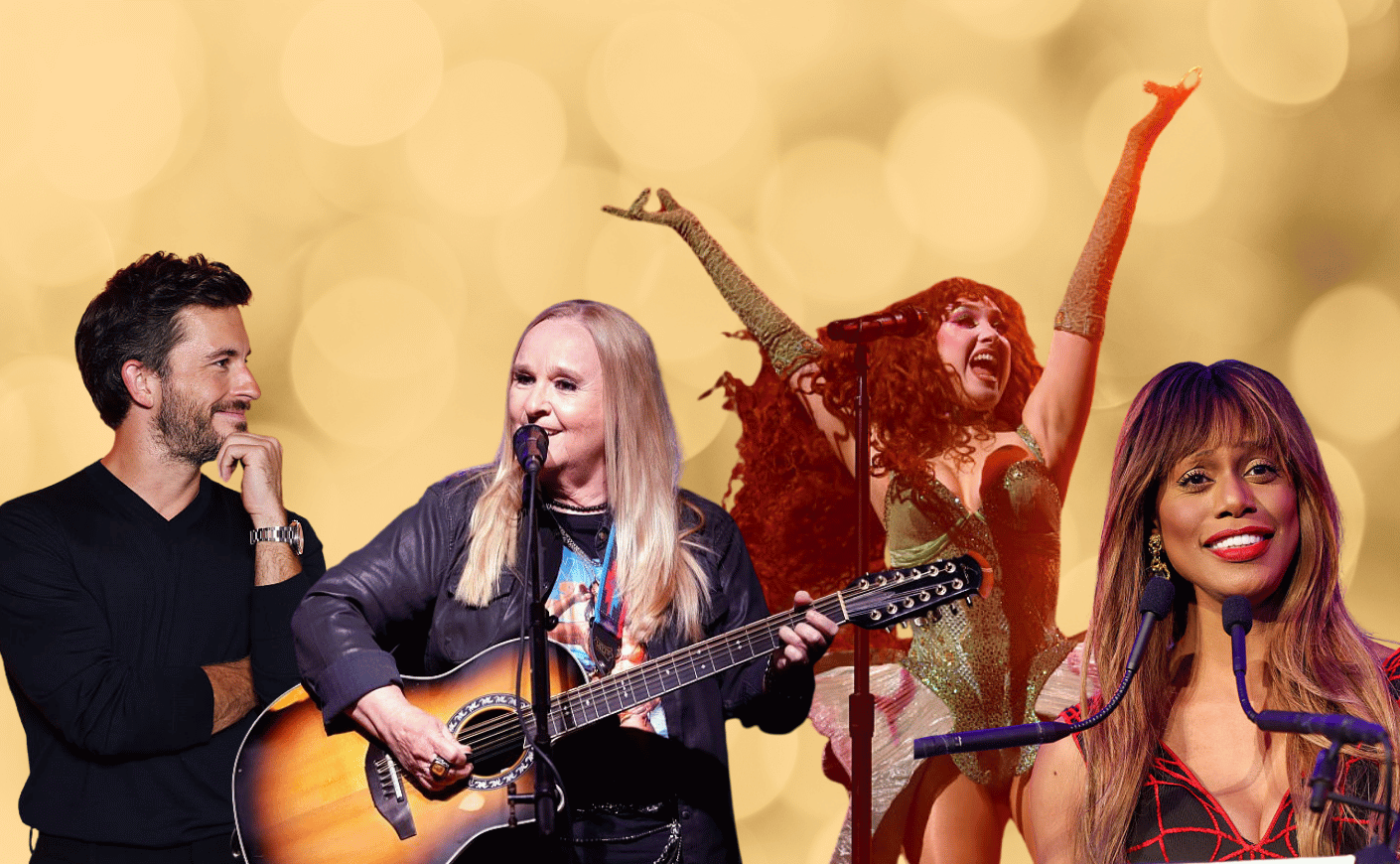
LGBTQ+ visibility didn't happen overnight. It took people willing to push for visibility — on the tennis court in the '80s, in a '90s magazine article, in a Netflix casting decision in the 2010s, and in a pop song that topped the charts last year. Now, six of those pioneers are being honored together for the first time.
The Elton John Impact Awards are the focus of a new podcast series from iHeartRadio and our partners at P&G, in partnership with the Elton John AIDS Foundation and Brandi Carlile's Looking Out Foundation. Hosts Billy Porter and Elvis Duran sat down with the legend himself, Sir Elton John, and six influential award winners for a series of candid conversations. Together, the honorees' careers span more than five decades, but the throughline is the same: Each one of them decided, at real professional risk, that they needed to be seen for who they truly are.
"The thing about being Elton John is if I can change something, I have the position to do it," John shared on the podcast, explaining why he lends his name — and his Rocketman-sized platform — to the cause. "If I can help people by being open about who I am, that is one of the greatest gifts you can possibly have."
Below, a tennis champion, a rock star, a trans trailblazer, a leading man, a country outlaw, and pop's reigning queer icon share the decisions that reshaped their lives.
Billie Jean King
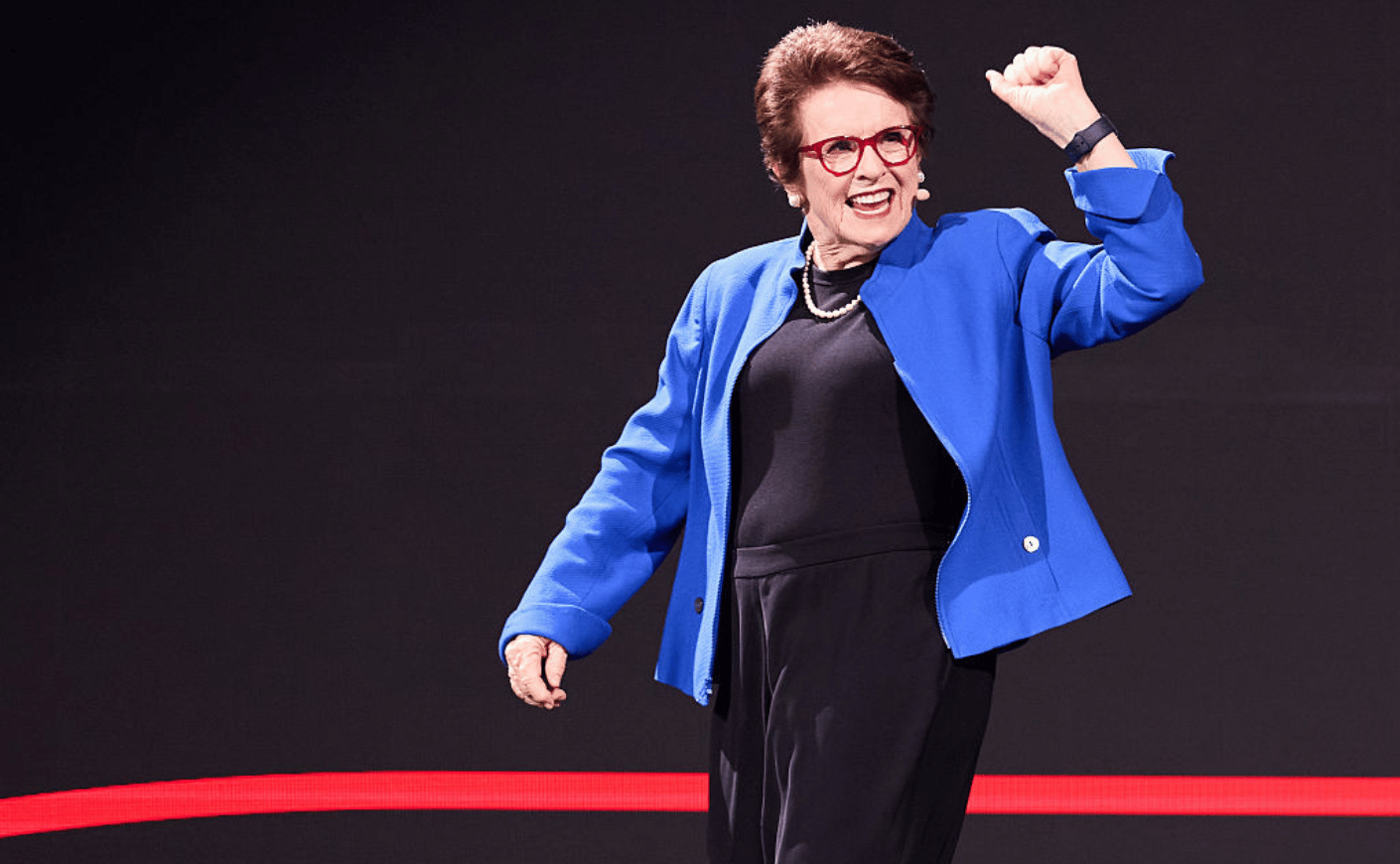
Billie Jean King won 39 Grand Slam titles and founded the Women's Tennis Association, but what happened in the year 1981 changed her life more than any trophy: At 37, she was outed by a former partner and lost every endorsement she had (except one) within 24 hours.
"Oh, [I was] scared to death," King told Porter of the prospect of being outed. She'd wanted to divorce her husband but worried what it would mean for the women's pro tour she'd spent years building. "They said, 'Well, if you say one word, we won't have a tour.' Well, that put the fear of God in me."
King stayed quiet for years, then chose authenticity anyway, against her lawyer's advice. "I said, 'I'm gonna tell the truth,'" King explained. "I basically started over." Her advice to anyone considering coming out today? "Make sure you feel safe."

Melissa Etheridge
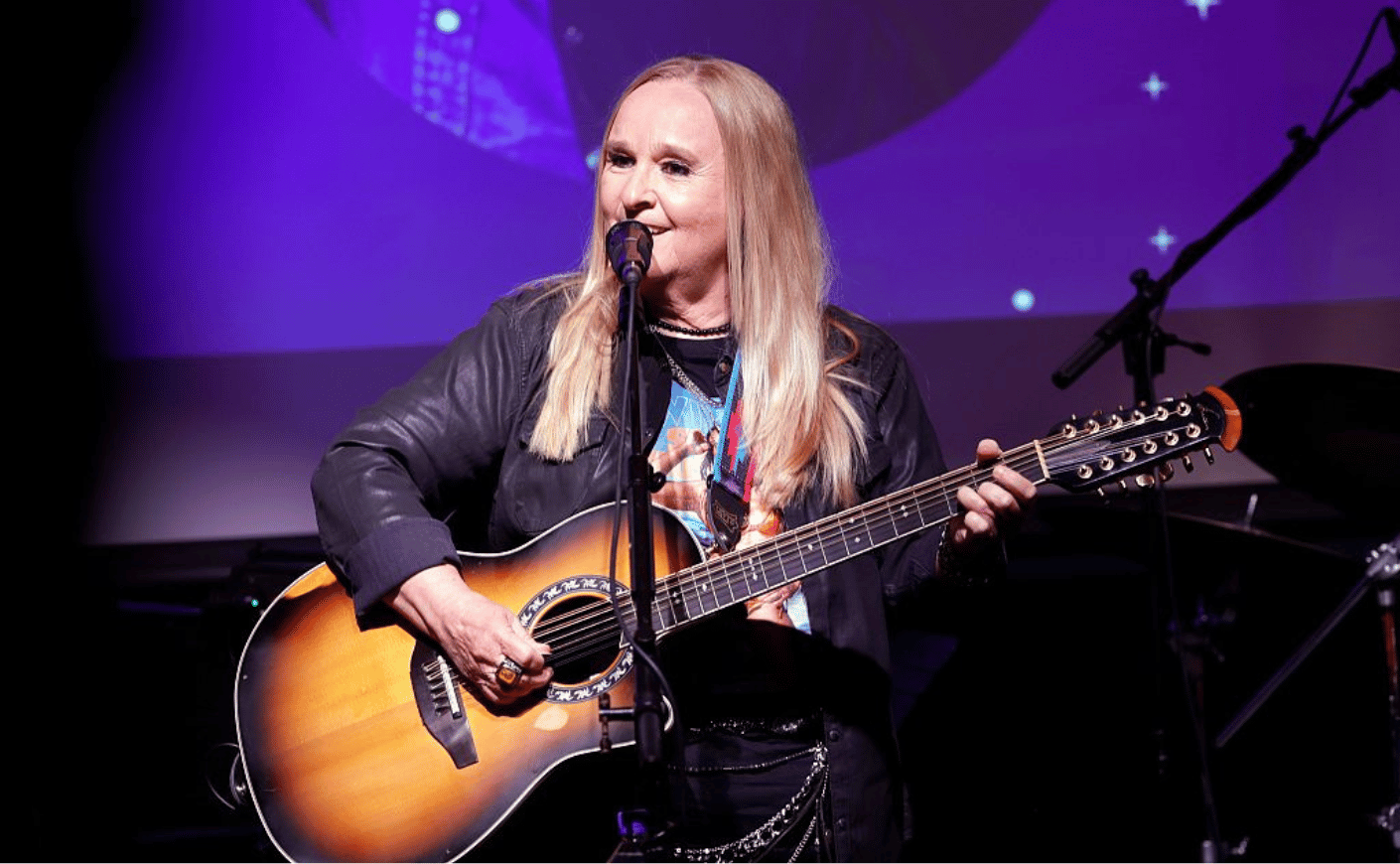
By the early '90s, Melissa Etheridge was already one of rock's biggest voices — and was carefully crafting genderless lyrics and dodging questions about her sexuality from reporters. Then, a music magazine edited one of her answers to invent a boyfriend she didn't have.
"It just horrified me," Etheridge said, recalling that she thought, "People are gonna think I'm lying, and I'm trying to cover up." So in 1993, she came out at the Triangle Ball, telling the crowd, "Hey, I'm proud to be a lesbian." The commercial fallout she'd feared never came. Her album Yes I Am sold seven million copies, and Etheridge landed on the cover of Rolling Stone. "It became a good thing," she said. "Any press is good press."
Laverne Cox
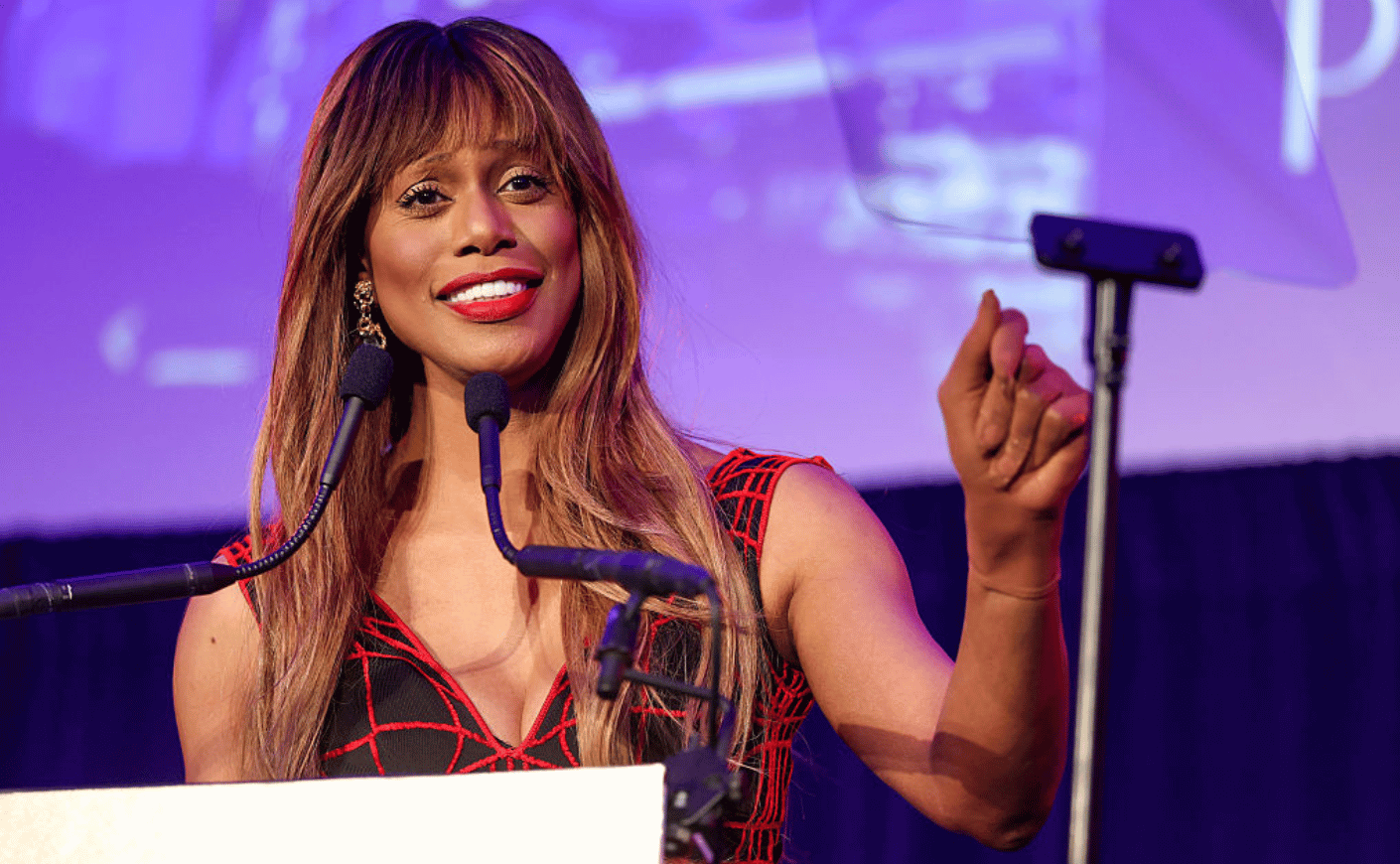
Laverne Cox was in her late 30s when she landed the role of Sophia on the Netflix hit Orange Is the New Black, a part that Porter called an "earthquake that fundamentally changed what trans representation in media could look like." Cox also originated the hashtag #TransIsBeautiful, which sparked a movement of its own.
Cox traced her resilience back to Mobile, Alabama, where she took dance classes that she credits with saving her life, after years of being bullied. Today, she says her guiding principles, written down at her therapist's suggestion, are simple: "Love, empathy, and not dehumanizing people."
Jonathan Bailey
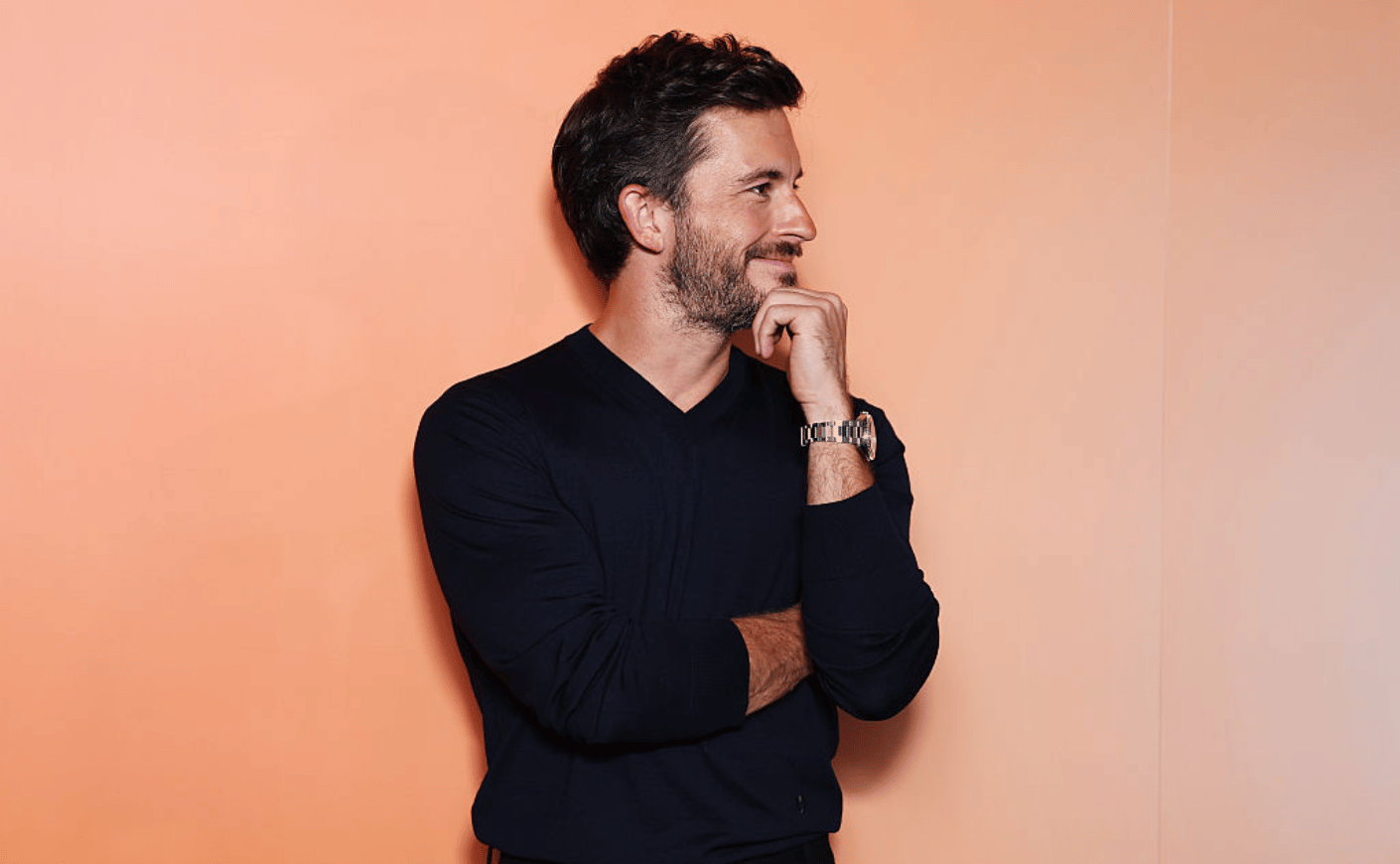
Actor Jonathan Bailey grew up watching Queer as Folk and says he rewrote his college thesis just to get an excuse to see Brokeback Mountain 15 times in theaters. Now the Bridgerton and Wicked star runs The Shameless Fund, which has raised money through brand collaborations, including a Loewe T-shirt line, to support LGBTQ+ causes.
Bailey told John that he understood early that coming out could hurt his career and chose to accept the risk anyway. "There was absolutely no way I wasn't gonna," he said of hiding his relationship in public. "I wasn't gonna not hold my boyfriend's hand in the street, and that was something that I felt so strongly in an animal sense."
Orville Peck
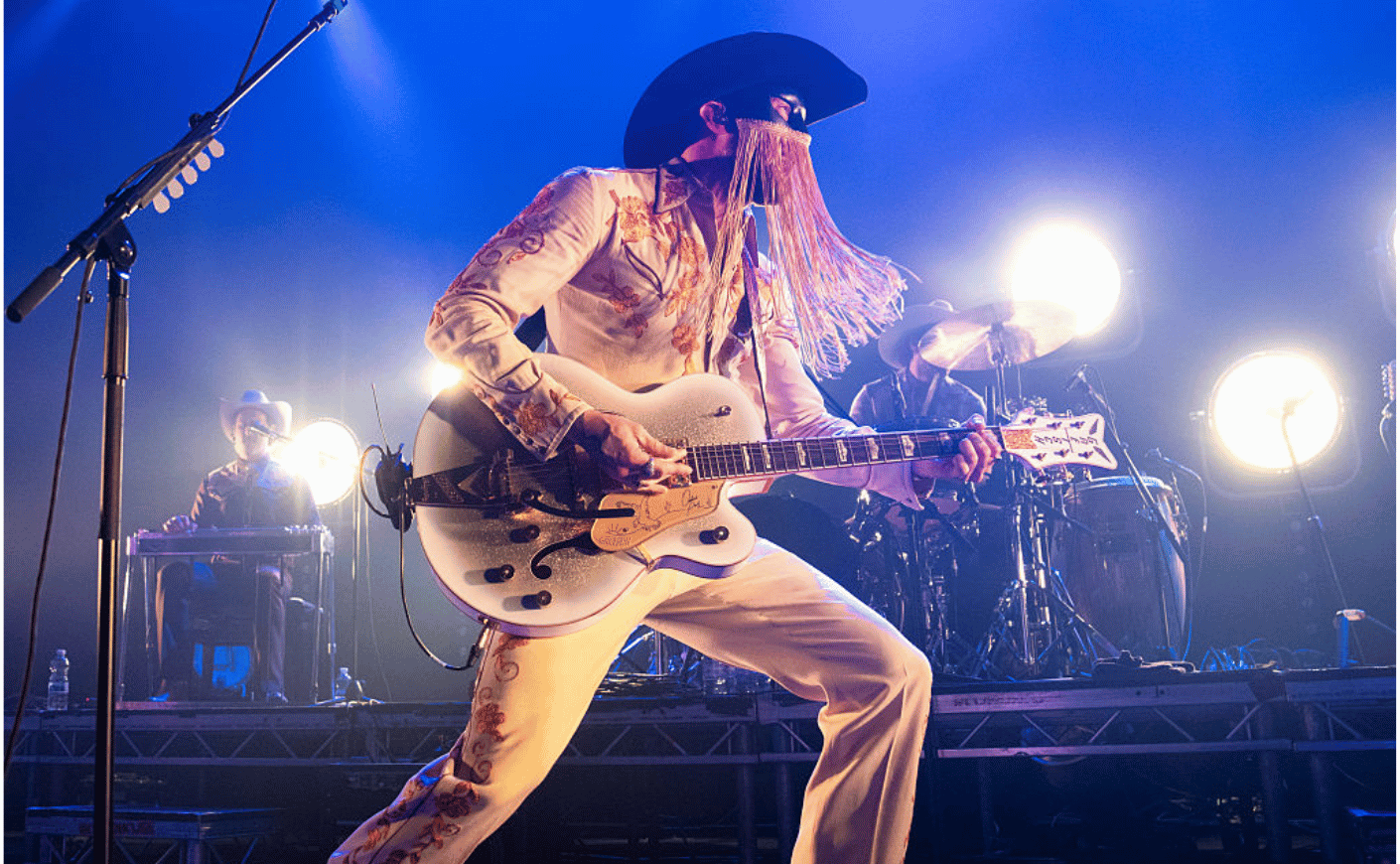
Orville Peck built a career transforming country music — while wearing a glamorous fringed mask — from the outside in. The South African-born singer grew up captivated by Dolly Parton and Johnny Cash before realizing that queer artists like him could tell their own stories in a genre that hadn't traditionally made room for them.
Being called a "queer icon" used to make him nervous, Peck admitted: "I didn't want to be responsible for anyone else's journey." But hearing from fans about what his music meant to them changed his mind. "Being able to be a source of comfort or representation or an example or inspiration for other queer people," he said, "that's one of the greatest things, I think, of my career."
Chappell Roan
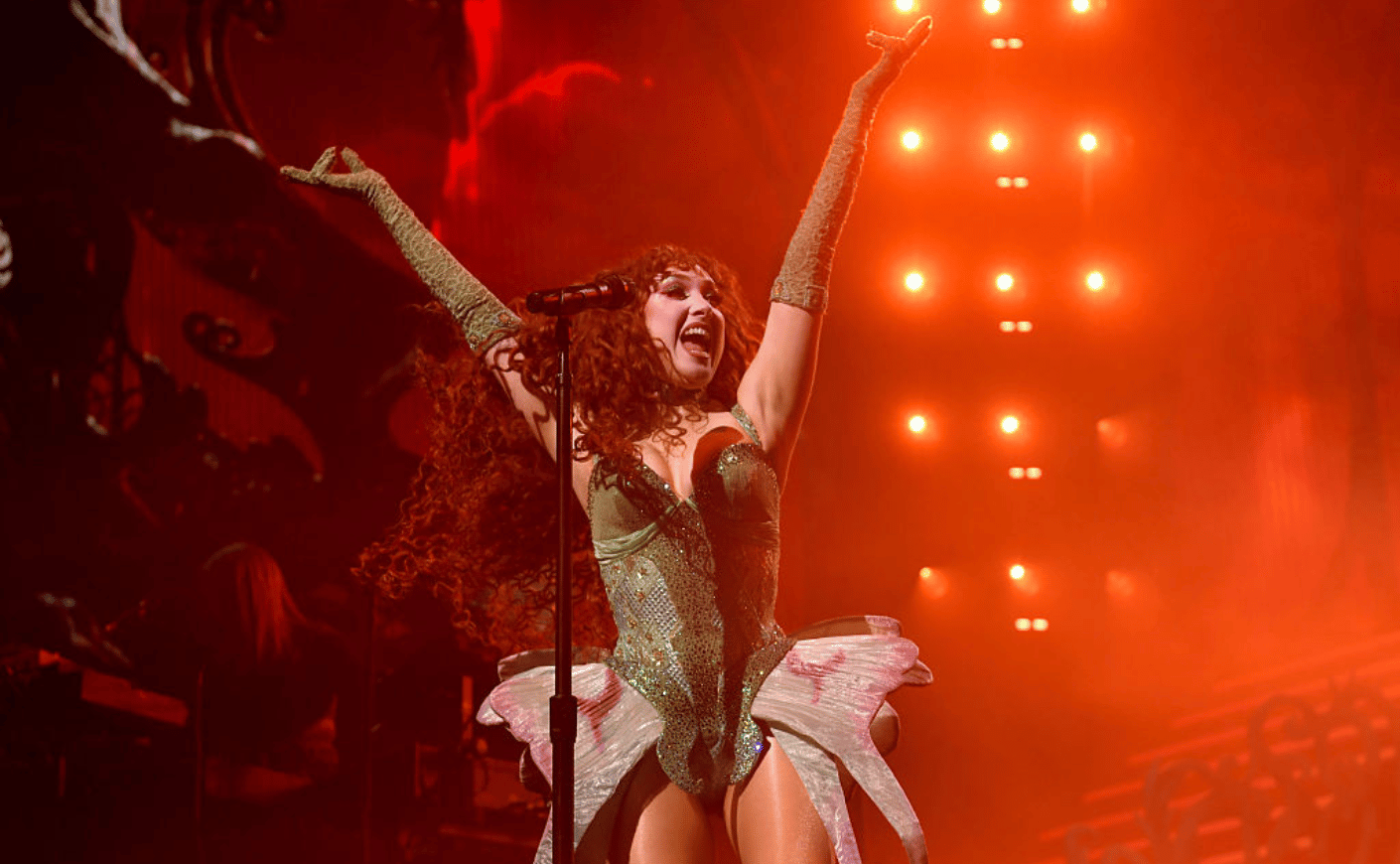
Chappell Roan is the youngest honoree of John's awards; the 2025 Best New Artist Grammy winner founded the Midwest Princess Project to support LGBTQ+ youth and has been outspoken in defending trans people in a moment she calls "uncertain."
"It's easy when it's true," Roan said, of weaving activism into her music without it feeling forced. "Every single person deserves to have freedom and to be themselves." When things feel hopeless, she said, she looks to the generations before her, and reminds herself of the stakes of being unapologetically herself. "Joy and freedom should be protected at all costs," she said. "Protecting love is what will keep you sane in such uncertain times."
The Elton John Impact Awards isn't just a celebration — it's tied to real funding for the organizations doing the day-to-day work of protecting the people it serves. Through the partnership, the program is directing support to groups including The Trevor Project, GLAAD, OutRight International, CenterLink, the National Black Justice Collective, and SAGE.
"The thing that I always tell everybody is, never underestimate the power you have to change a life, and that power can be through a smile," said Brent Miller, retired senior director of global LGBTQ+ engagement at P&G. Since 1992, P&G has included sexual orientation in its non-discrimination policy, making it one of the first major companies to do so.
These honorees spoke their truth during times when society wasn't necessarily open to hearing that message. As Billy Porter put it, "It's easy to be who you are when what you are is what’s popular. These people defy that." Each of their stories spans different generations, industries, and identities, but they all point to the same fact: Every act of visibility makes it easier for someone else to step into the light.
You can hear the full extended interviews with Elton John and this year's honorees at the Elton John Impact Awards page, presented by iHeartRadio and P&G.
