




If you think "zombie cells" belong exclusively in low-budget horror movies, think again. Scientists say these senescent cells are accumulating in your skin right now — and they may contribute to some of the most visible signs of aging. But what exactly are zombie cells, why do they matter, and can anything be done about them?
These are some of the questions researchers Carolina Reis Oliveira, Ph.D., and Alessandra Zonari, Ph.D., set out to answer. With backgrounds spanning stem cell biology, immunology, tissue engineering, and skin regeneration, their research ultimately led them to found OneSkin — a longevity-focused skincare brand. We spoke with them about how their combined expertise led to the creation of a proprietary peptide specifically engineered to reduce zombie cell accumulation and promote skin rejuvenation, treating the cause of aging skin rather than just the symptoms.
What are zombie cells?
Also known as senescent cells, zombie cells have stopped dividing but refuse to die. When we’re young, our immune systems are robust enough to clear out these dysfunctional cells, but as we age, our bodies become less efficient at removing them, allowing them to accumulate. While senescent cells can exist in almost any tissue in the body, in the skin, they can include the dysfunctional remnants of fibroblasts — the cells responsible for producing collagen and helping skin stay firm and resilient.
How can zombie cells impact skin aging?
The problem with zombie cells isn’t simply that they’re no longer functioning properly — they can also negatively affect the healthy cells around them. “Senescent cells secrete toxins that then cause inflammation in the healthy tissue around them,” explains Dr. Oliveira. Even more concerning, those inflammatory signals can push neighboring healthy cells into senescence themselves, creating a kind of chain reaction. Think of it like one rotten piece of fruit in a basket: Over time, it can cause the fruit around it to spoil, too.
As more zombie cells accumulate, that cycle can contribute to some of the changes we associate with aging skin. “Accumulating zombie cells leads to visible skin aging, because collagen breaks down and the skin becomes thinner and drier,” explains Dr. Zonari. “A lot of cosmetic products are designed to exfoliate the surface of the skin, removing that top layer and making your skin look temporarily smoother. But if underneath you still have those zombie cells, the skin will continue to deteriorate.”
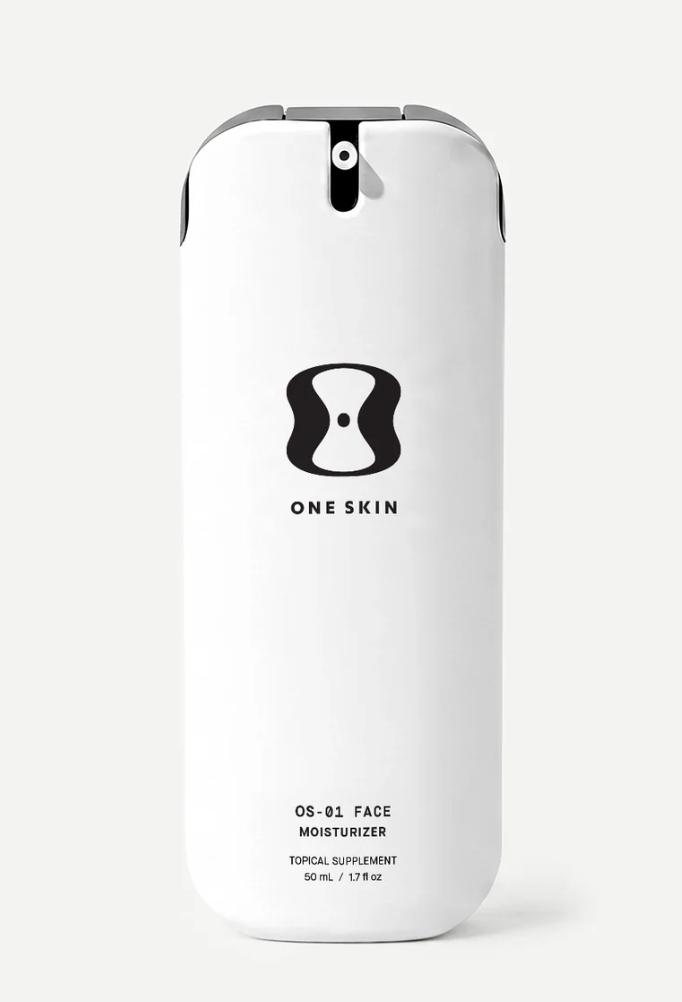
OneSkin
OneSkin’s face moisturizer, powered by their OS-01 peptide, is clinically shown to deliver visibly smoother, firmer, more even-toned skin in 12 weeks.
What are peptides?
Peptides essentially act like messengers, sending signals that tell our cells how to behave. “They can signal cells to do things like reduce inflammation, help heal wounds, or to produce more collagen,” explains Dr. Zonari.
Our bodies constantly produce their own natural peptides by breaking down protein from the food we eat, but as we age, this production slows. When this happens, we can introduce external peptides to help boost those signals that have decreased over time.
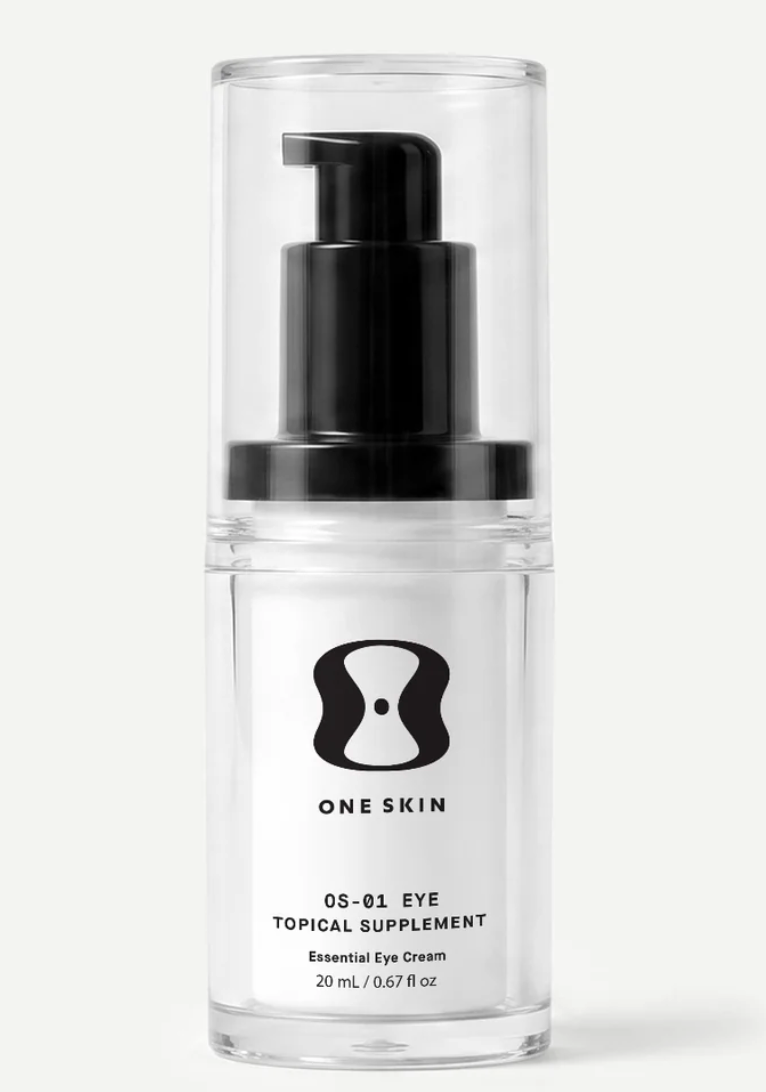
OneSkin
OneSkin’s OS-01 eye cream has been shown to increase collagen by an average of +130 percent in lab studies.
How can peptides combat skin aging?
Drs. Oliveira and Zonari hypothesized that the right topical peptide could modulate zombie cells, stopping them from secreting toxins and damaging healthy tissue. Dr. Oliveira explains that when you stop zombie cells from accumulating, “your immune system is able to catch up, clearing the senescent cells and making room for the healthy cells to proliferate, restore collagen production, and increase skin barrier function." In a landscape full of skincare products designed to smooth and hydrate the skin’s surface, the founders of OneSkin have used their expertise in cellular rejuvenation to identify a unique peptide that targets the biological processes thought to contribute to skin aging.
Since peptides act like keys that must fit perfectly into a cell to enable it to perform a specific function, finding the right peptide to reduce zombie cells took the OneSkin team years. But after testing over 900 different peptides, they finally found the match and validated that it could reach zombie cells within skin. This peptide, which they called OS-01, is the first peptide scientifically proven to reduce cellular senescence in the skin. It’s also the key ingredient in OneSkin’s products, which work to reduce wrinkles, dark spots, and crepiness.
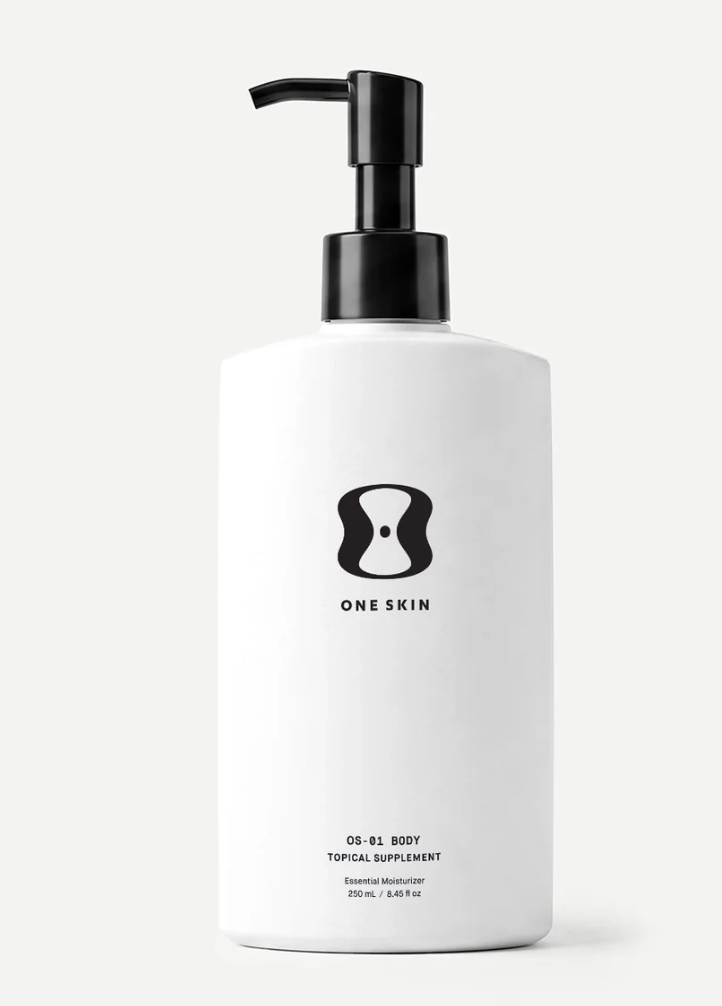
OneSkin
OneSkin’s OS-01 body moisturizer is clinically validated to strengthen the skin barrier by +41% in 12 weeks.
How soon will you see results — and do these peptides work on the body, too?
While some skincare products promise overnight transformations, meaningful changes in skin health happen over time. According to Dr. Oliveira, most people notice smoother, better-hydrated skin within the first few days of using OneSkin, thanks to supporting ingredients like ceramides and hyaluronic acid. The effects associated with the OS-01 peptide emerge over the following weeks as the skin has time to respond. “The healthy cells need time to proliferate and produce more collagen,” she explains. “You should start to see improvements in firmness and elasticity around six weeks, with even greater results after about 12 weeks.”
In my own experience testing the facial moisturizer, the hydration benefits were apparent almost immediately. I use a retinol that can leave my skin dry and sometimes visibly flaky, and OneSkin is the first moisturizer I’ve tried that seems to do more than temporarily mask those dry patches — they actually disappear. The longer-term changes have been noticeable, too. For years, my makeup routine included a product specifically designed to temporarily “blur” fine lines and enlarged pores. After several weeks of consistently using OneSkin, I realized I wasn’t reaching for it anymore — and eventually I stopped using it altogether.
OneSkin
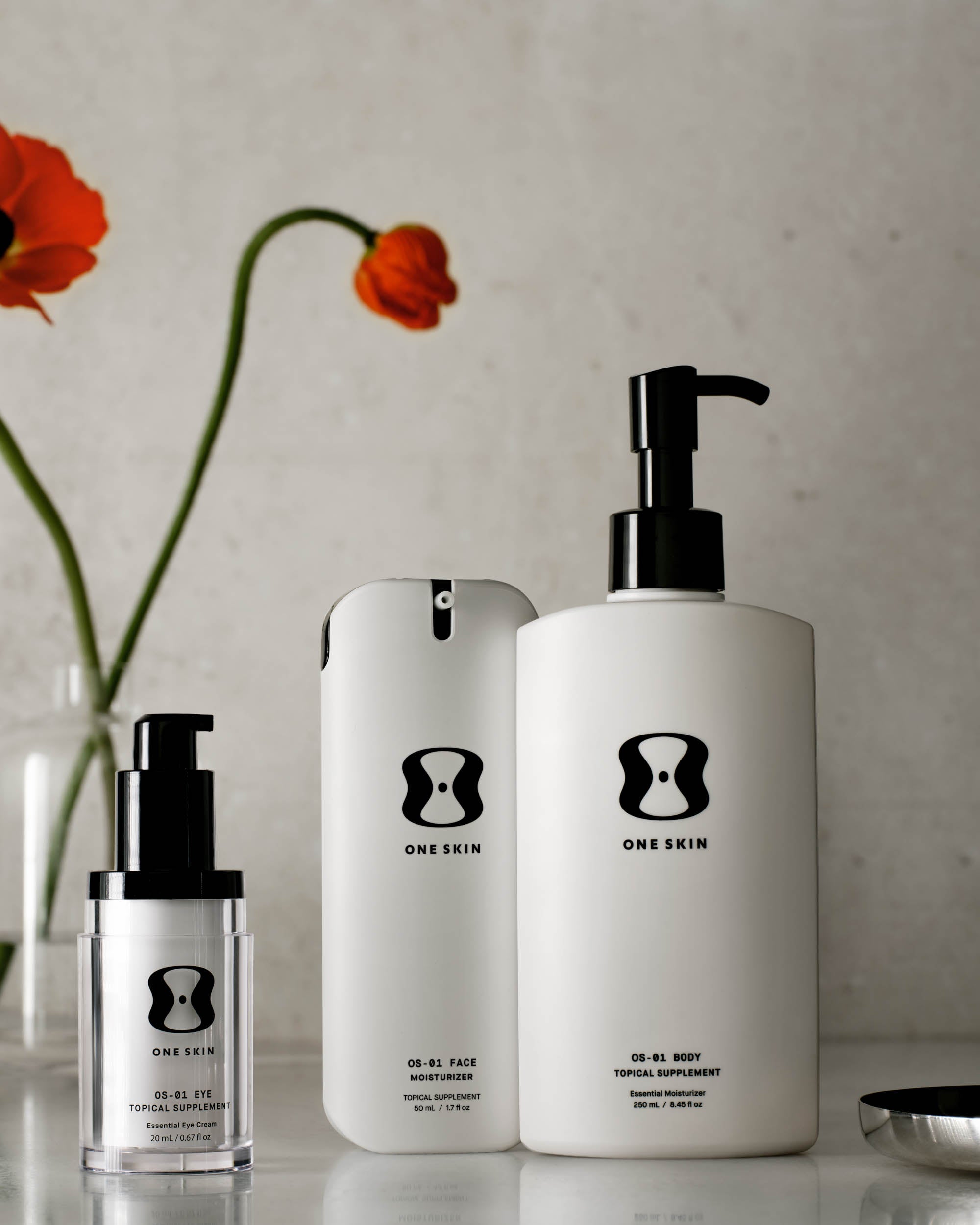
Save $100 when you bundle OneSkin’s face moisturizer, eye cream, and body moisturizer in the Head to Toe Skin Health Trio — all powered by their OS-01 peptide.
While the company first launched a facial moisturizer, Drs. Oliveira and Zonari quickly expanded the technology to the rest of the body. Their face and body products both contain the OS-01 peptide, but the formulas are optimized for different needs. Because the face is exposed to far more UV radiation and environmental stressors, the facial moisturizer also contains hyaluronic acid for moisture retention, as well as pracaxi oil, pau mulato extract, and andiroba oil for their anti-inflammatory and antioxidant properties. The body lotion contains ingredients like ceramides designed to combat dryness and crepey skin on areas like the arms, chest, and knees. "Most people focus on their face and neglect their body until they start approaching menopause and their skin becomes drier," says Dr. Zonari. "We wanted to create something that treats your skin as a whole."
While no skincare product can stop the aging process entirely, research on senescent cells is changing how scientists think about what causes our skin to age in the first place. For Drs. Oliveira and Zonari, the hope is that by supporting healthier skin at the cellular level, people won't just see improvements in the mirror — they'll have stronger, more resilient skin for life.
Clinical Studies:
Zonari, A., et al. Journal of Cosmetic Dermatology, 2024.
Zonari, A., et al. Journal of Cosmetic Dermatology, 2025.