






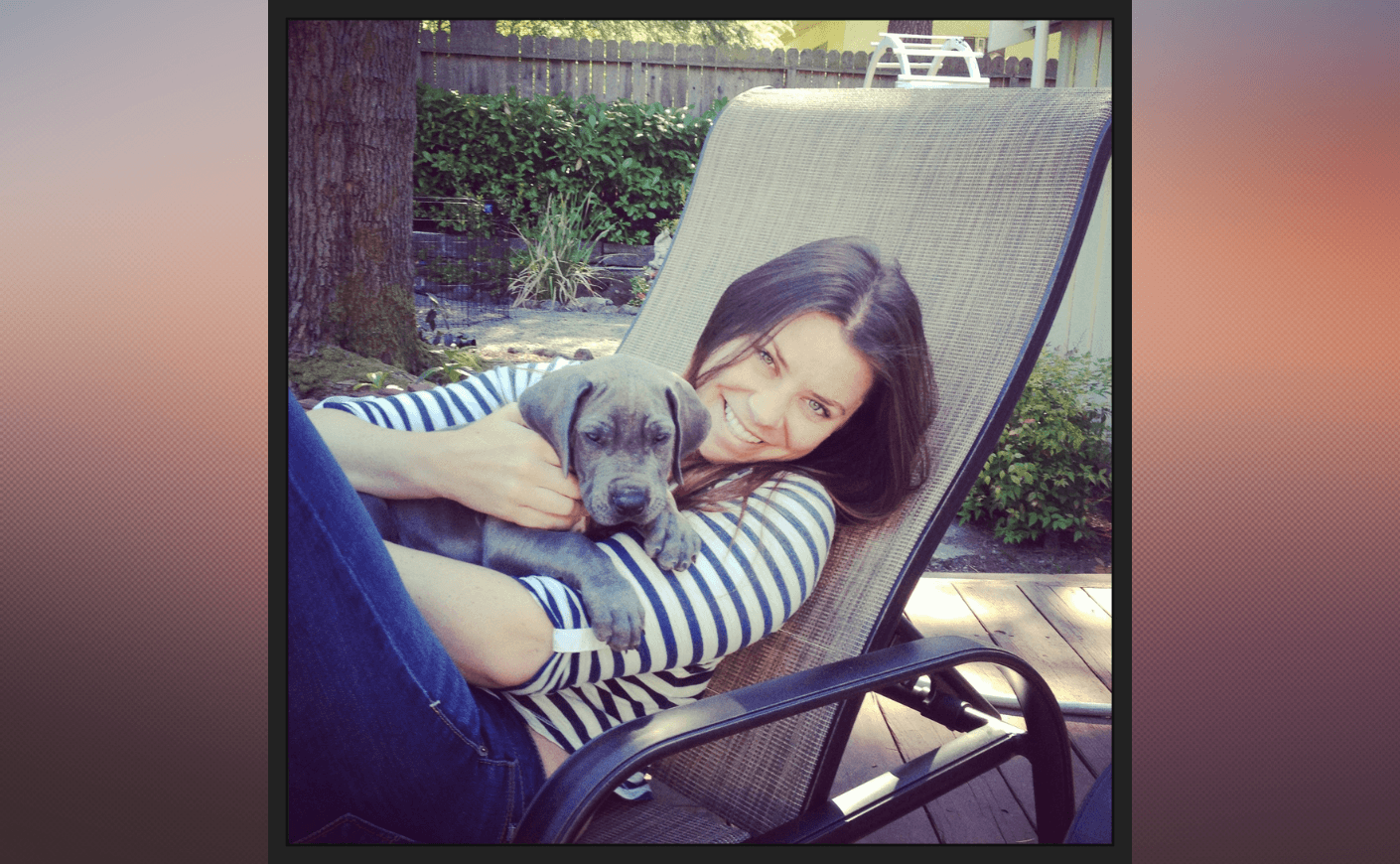
On August 5, 2026, the New York Medical Aid in Dying Act went into effect. This law allows terminally ill New Yorkers — individuals with less than six months to live — the ability to apply for a medication they can choose to take to avoid prolonged suffering at the end of life. Twelve years ago, my wife Brittany Maynard experienced a gentle death only because of that option.
Brittany and I met in 2007 and after only a few dates, we were boyfriend and girlfriend, falling in love. Right from the start, her vivacious personality overwhelmed me in the best possible way. Our relationship spanned the last 7 and a half years of her life, during which we became best friends, soulmates, and finally a married couple. I counted on Brittany and her free-spirited personality to help me see things on a grander scale; she was the adventurous one. She counted on me for stability, love, and my fierce dedication to her.

The outdoors was Brittany's greatest muse. Our honeymoon wasn't spent on a tropical beach — instead, we kayaked glaciers in Patagonia, and hiked to the incredible vistas she had researched. “I’ve had my fill of beaches and sunny skies growing up in Orange County — I’m a mountain, lakes, and river kind of girl now,” she would regularly tell me. Two months before we got married, she hiked up Mount Kilimanjaro, knowing life would get too busy to make it happen after our wedding day.
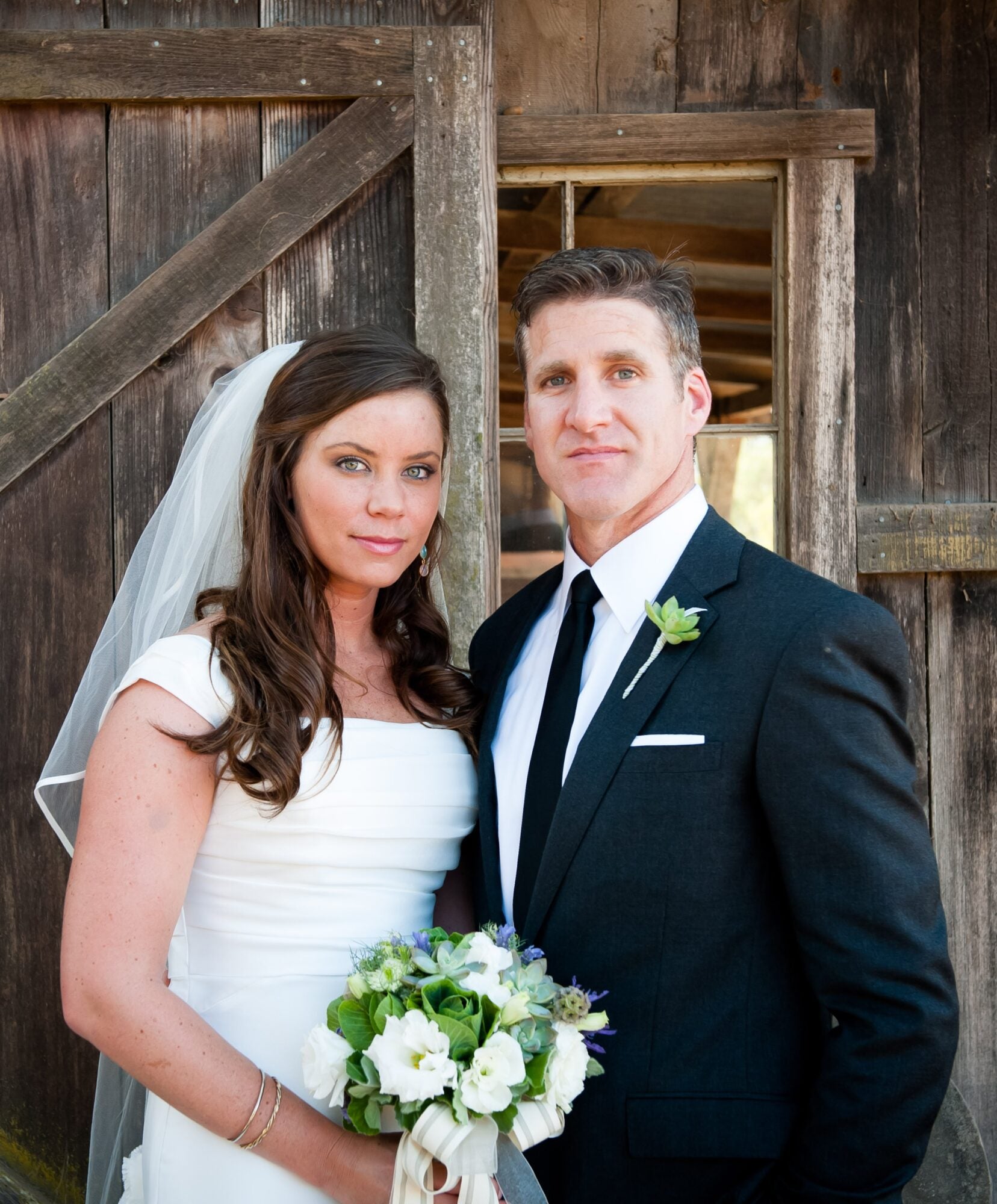
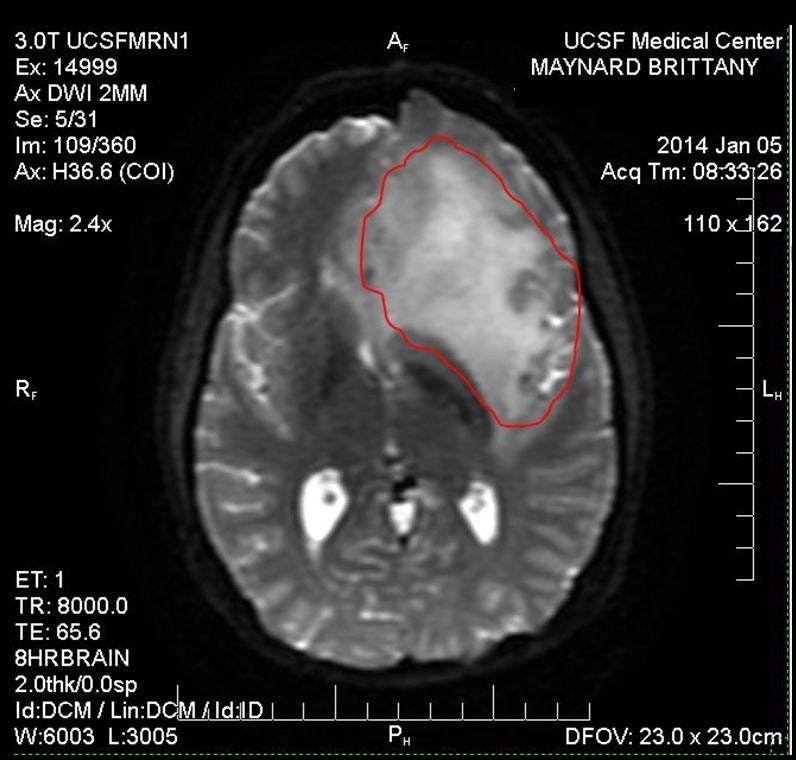
A few months after our wedding in September of 2012, Brittany started having headaches that would wake her up in the middle of the night. She would start throwing up, and be unable to go back to sleep. Several doctors, including a specialist, settled on the flimsy diagnosis of "migraines." They did not order a scan at the time. Oddly, things seemed to improve throughout 2013, but during the holidays, her pain levels were intolerable, and we ended up in the emergency room on New Year's Day 2014. That was the first time we discovered the massive brain tumor.
At age 29, Brittany was fighting for her life against an aggressive cancer, and as the months went by, that tumor made it clear it would torture her to death if allowed to run its course. She had already endured an eight-hour brain surgery, and we actively researched every available treatment option and clinical trial. But medications stronger than morphine could not alleviate her pain, the intensifying seizures were becoming more frequent, and, well, I’ll spare you the upsetting details of what she tolerated in her quest to live as long as possible.
Brittany realized she wanted the option of medical aid in dying, which meant we had to leave our home in California and move to Oregon to have that choice, should it become necessary. That injustice — of having to move to another state — is the reason Brittany decided to speak up. She became the unexpected face of a movement.

Knowing she would not live long enough to advocate for this legislation with elected officials in person, Brittany made a video in which she spoke about her experience — then partnered with Compassion & Choices to amplify her message even further. (That national nonprofit fights for end-of-life options for terminally ill patients including access to medical aid in dying.)
Brittany died, gently, on November 1, 2014. I held her in my arms, and with family and close friends in the room, we surrounded her with love as she took her final breath. I promised Brittany that I would help pass legislation in other states so that no one else would ever have to leave their home after being told they have six months to live, like we did. (The following year, I worked on California’s campaign and the bill was signed into law in October 2015.)
Just two months after Brittany died, in January 2015, I was in Albany, meeting with a state senator who would carry this legislation. That's how I kept my promise to Brittany — by helping lawmakers recognize something deeply personal and fundamentally human: Terminally ill adults deserve the right to make their own end-of-life decisions.
Brittany’s story broke through fear, stigma, and silence: She helped spark conversations across kitchen tables and in hospitals and state legislatures nationwide. Her video would eventually serve as her testimony for governors and state senators, to watch for years after she passed.
Over the past decade, I've made countless trips to Albany, and even 12 years later, almost every elected official remembers her story. I feel an immense pride during those moments. I once saw a quote that read, "What you do for yourself is gone when you are gone. But what you do for other people is what lives on as your legacy." And Brittany left an extremely profound legacy. She spoke up during the last few weeks of her life to make a difference for anyone in her predicament. Throughout her life, she was always looking out for the underdog, and her last effort before her death would be no different.
The strongest opposition I've encountered comes from the Catholic Church, and I say that as a Catholic. (In fact, I attended Catholic school, was an altar boy, and received every sacrament possible, including confirmation.) The opposing campaign is based on fear, instead of acknowledging that medicine cannot control a person’s suffering in 100 percent of cases. They use terms like "euthanasia" and "suicide" as part of their false narrative to scare legislators and the general public.
To be clear, there's nothing suicidal about a terminally ill individual who pursues this option. (Brittany wanted to live, damn it — she did not want to die.) These people are doing everything possible to stay alive, but simply want the option to ensure a gentle death if their disease takes a turn for the worse. Who among us has the temerity to deny that to a terminally ill individual? How can someone think that their personal beliefs should overrule a dying patient's autonomy as they navigate their final few days on this green Earth?
The opponents also claim the most vulnerable will be coerced or abused because of this program. Wrong again. The existence of this legislation protects the most vulnerable from the abuse that can occur at times behind closed doors in states across this country. Once this legislation goes into effect, the terminally ill individual must initiate this process with their medical team, and to qualify, two clinicians must agree that the patient has less than six months to live. Getting through the rigid safeguards is not easy, and every step of the process focuses on the patient’s autonomy and decision-making capacity. Brittany felt incredibly protected throughout this process, for which she was immensely grateful.
When Brittany died, there were only four states with the medical-aid-in-dying option — in 2026, that number grows to 14. (Illinois legislation takes effect on September 12th.) But to be clear, while my efforts honor her legacy, I am fighting for the rest of us. Channeling Brittany’s spirit, I speak up for the passionate terminally ill advocates I have met at state capitols across this country. Like Brittany, they simply want the option of taking back just a little bit of control from cancer, ALS, or any disease that might produce a tragic ending. This option does not result in more people dying; it simply results in fewer people suffering.

Dan Diaz is the husband of Brittany Maynard, who died in November 2014 advocating for the option of medical aid in dying to be authorized in their home state of California. Dan’s efforts working with Compassion & Choices were instrumental in the passage of California’s End of Life Option Act the year after Brittany died, and his advocacy to advance similar bills continues throughout the nation. He lives in Alamo, California.
The opposition has already sued in an attempt to block medical-aid-in-dying legislation from implementation in New York. If you're inspired to get involved, research end-of-life healthcare options available in your area, make your end-of-life wishes known with your family, and/or volunteer with organizations like Compassion & Choices.
