






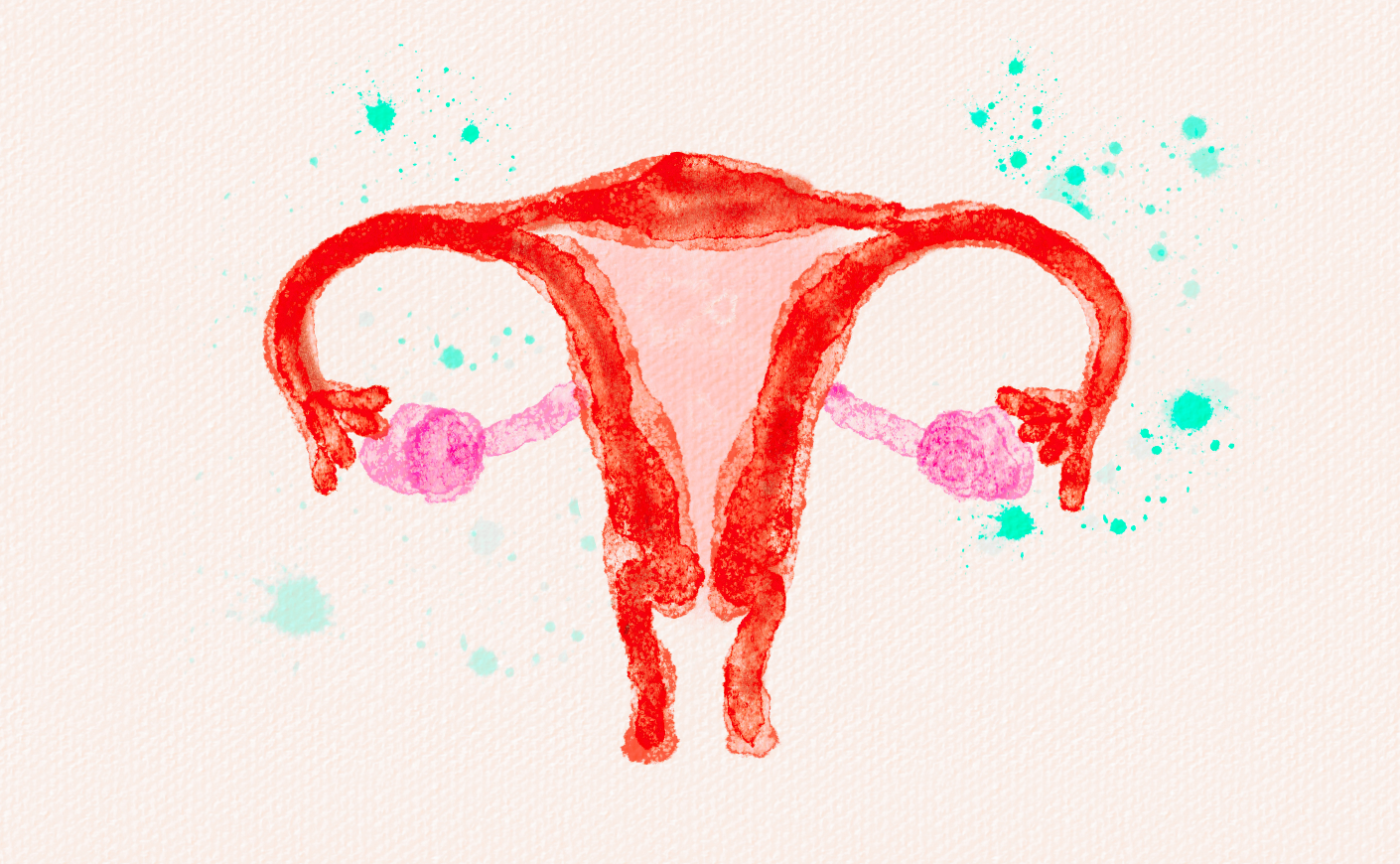
- Most ovarian cancers begin in the fallopian tubes and are often undetectable until they spread, making early screening ineffective.
- Removing the tubes reduces ovarian cancer risk by up to 80 percent.
- The procedure is low risk, requires minimal recovery time, and can be quickly performed alongside another surgery.
- Adoption is limited by lack of awareness, insurance coverage, and missed counseling opportunities across specialties.
In 2024, Carla Murray elected to have a prophylactic salpingectomy — a relatively uncommon procedure in which the fallopian tubes are removed as a preventative measure against ovarian cancer. It saved her life.
Murray, 51, first learned about the preventative measure through a podcast discussion between Kara Long, MD, and Rebecca Stone, MD, two gynecological surgeons who’ve advocated for wider use of the procedure. No one in her family had ever had ovarian cancer, but given Murray’s history — she’d had a double mastectomy in 2019 for an aggressive form of pre-cancer — the architect and mother of three was intrigued.
“I tend to be a little overly cautious,” she tells us. “I didn’t really think I’d be at risk, but I thought, just in case, let’s get them out.”
Murray had already been scheduled to have pelvic cysts removed and decided to tack on the salpingectomy (which is called an “opportunistic” procedure when it's added to an unrelated operation). A few days later, she was diagnosed with stage-3 high-grade serous ovarian carcinoma, known as the “silent killer” because it often develops without any noticeable symptoms.
“We don’t find these cancers with any test; we only find them serendipitously,” says Dr. Long, who treated Murray at Memorial Sloan Kettering. “If Carla hadn’t taken the step to have her tubes removed, she would’ve become very ill within the year.”
Ovarian cancer is notoriously difficult to detect, says Deborah Armstrong, MD, a medical oncologist at Johns Hopkins. That’s because in 70 to 80 percent of cases, it actually originates in the fallopian tubes, an organ with delicate, finger-like projections where cancer cells develop but don’t usually amass into a tumor large enough to be picked up on an MRI or CT scan. By the time symptoms do arise, the cancer has typically spread.

With no screening test available, oncologists have long advised women with either a family history of the disease or mutations in the BRCA-1 and BRCA-2 genes (which have also been linked to breast, pancreatic, and prostate cancers) consider getting their tubes removed. The problem, Dr. Long tells us, is that 80 percent of people who develop ovarian cancer don’t fall into that high-risk category.
That’s why about a decade ago oncologists began to recommend that women undergoing hysterectomies or those interested in having their tubes tied be offered the option of having their tubes removed altogether. (Both salpingectomy and tubal ligation, a relatively common procedure performed roughly 700,000 times annually, are forms of permanent contraception.) Some oncologists even suggest that the procedure also be extended to women who are no longer considering having children and are getting some other type of abdominal operation, like in Murray’s case.
One recent study conducted across British Columbia found that these opportunistic salpingectomies cut the risk of ovarian cancer by 80 percent. Another analysis estimated that 6,000 lives could be saved each year if fallopian tube removal was incorporated into 60 percent of eligible surgeries.
A salpingectomy are a relatively simple laparoscopic operation that on its own takes about 20 to 30 minutes, and when piggybacked onto another procedure, it can be done in as little as five minutes, Dr. Long says. It poses minimal risk and requires very little recovery time.
“It’s a miracle that you can prevent this horrible disease, or at least drastically reduce your risk, in just five minutes,” Dr. Long says. “I can’t really think of another type of cancer where this sort of simple procedure is an option.”
Mastectomies are major operations that can deeply impact a woman’s sense of self; hysterectomies trigger abrupt menopause. Fallopian tube removal doesn't come with any long-term effects other than acting as a form of permanent contraception, which, for many women who've decided they no longer want to have children, is an "added bonus," Dr. Long says.
Unfortunately, this powerful preventative measure isn’t very common, Dr. Armstrong says. That’s partly because the infrastructure isn't in place to support it: According to Dr. Long, there wasn’t even a billing code for it until last year, meaning even if clinicians wanted to perform one, “they had no way to record it, bill for it, or get reimbursed for it,” she tells us. Plus, in many states, salpingectomy isn’t covered as a form of contraception, so patients may get charged.
On top of that, there’s a general lack of awareness — both among patients and the medical community at large. Though it’s on the radar screens of most OB-GYNs, Dr. Armstrong says, it may not be for a surgeon operating on appendicitis or conducting a hernia repair with the opportunity to perform a salpingectomy at the same time: “They don’t put two and two together.”
“Patients don’t know, doctors don’t know,” Dr. Long says. “We talk to physicians all the time who are like, ‘What? It starts in the fallopian tubes?’”
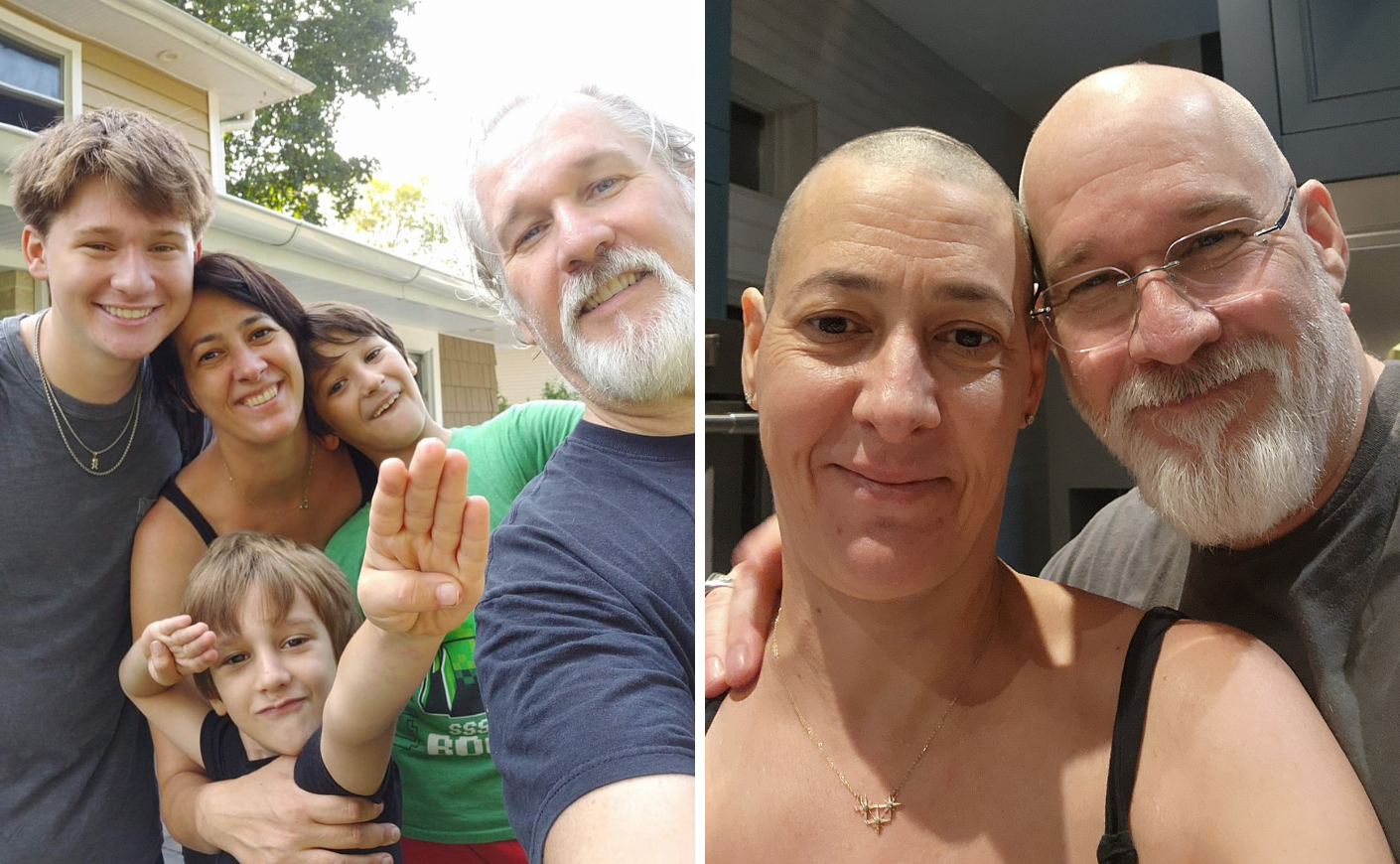
Murray says she almost gave up on having her tubes removed because advocating for the procedure became such a hassle: “I almost didn’t do it. I just kept having to push.” But because she did have her tubes removed, Murray was diagnosed early, underwent six rounds of chemotherapy, and today is cancer-free.
“We want to get the word out," Dr. Long says, "so that women and people with fallopian tubes are not kept in the dark about their own bodies and their options — and that doctors know every possible opportunity that this can be done safely and offer it with good counseling."
