



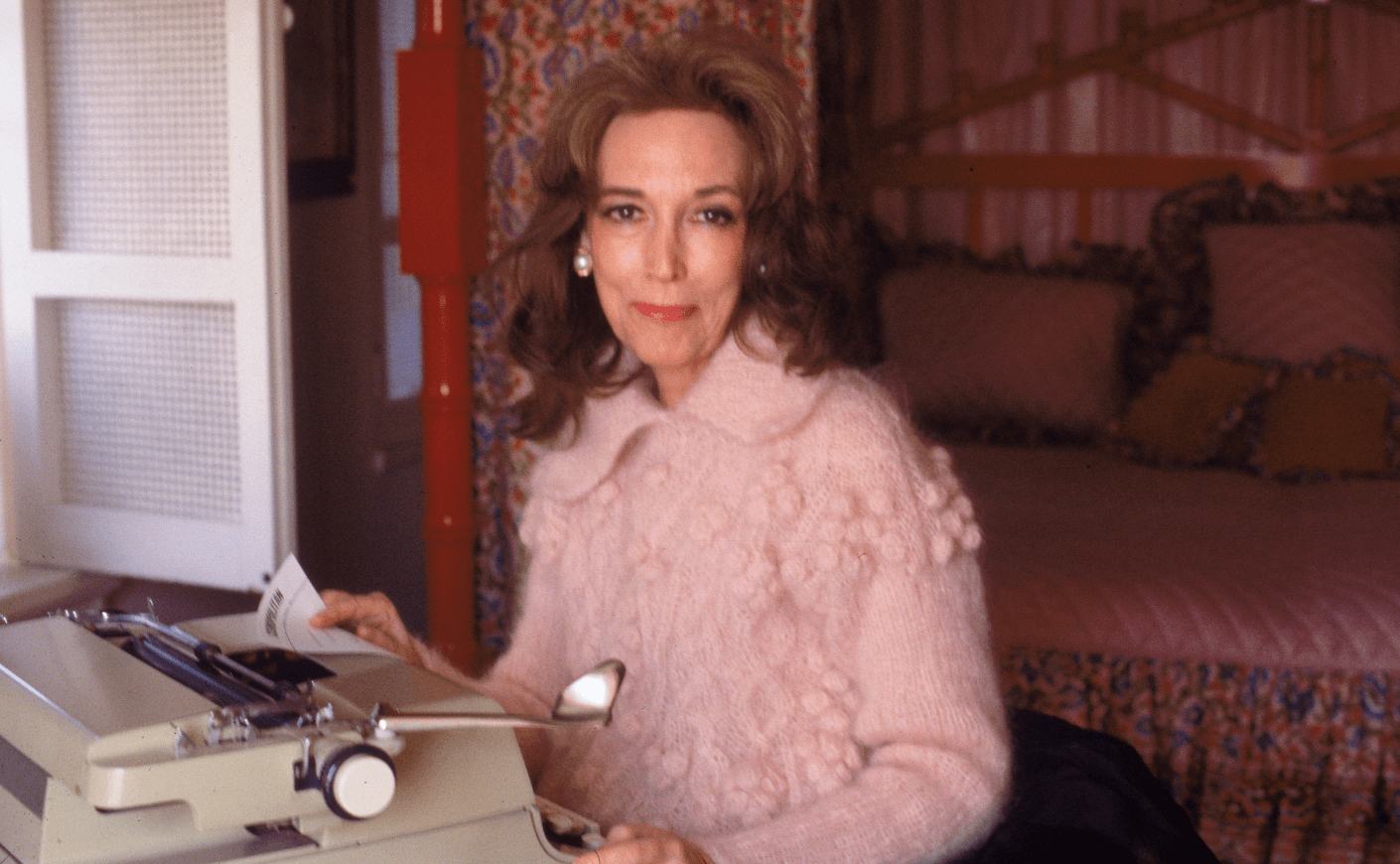
For decades, Helen Gurley Brown was one of the most recognizable women in America. As the editor who reinvented Cosmopolitan in the 1960s, she helped transform the magazine from a struggling publication into a cultural force, encouraging women to think differently about work, money, ambition, sex, and (yes) single life at a time when those conversations were still considered taboo. But while her influence is undeniable, Brown herself has often been flattened into a caricature: either celebrated as a trailblazer or dismissed as the man-obsessed figure behind the famous "Cosmo girl."
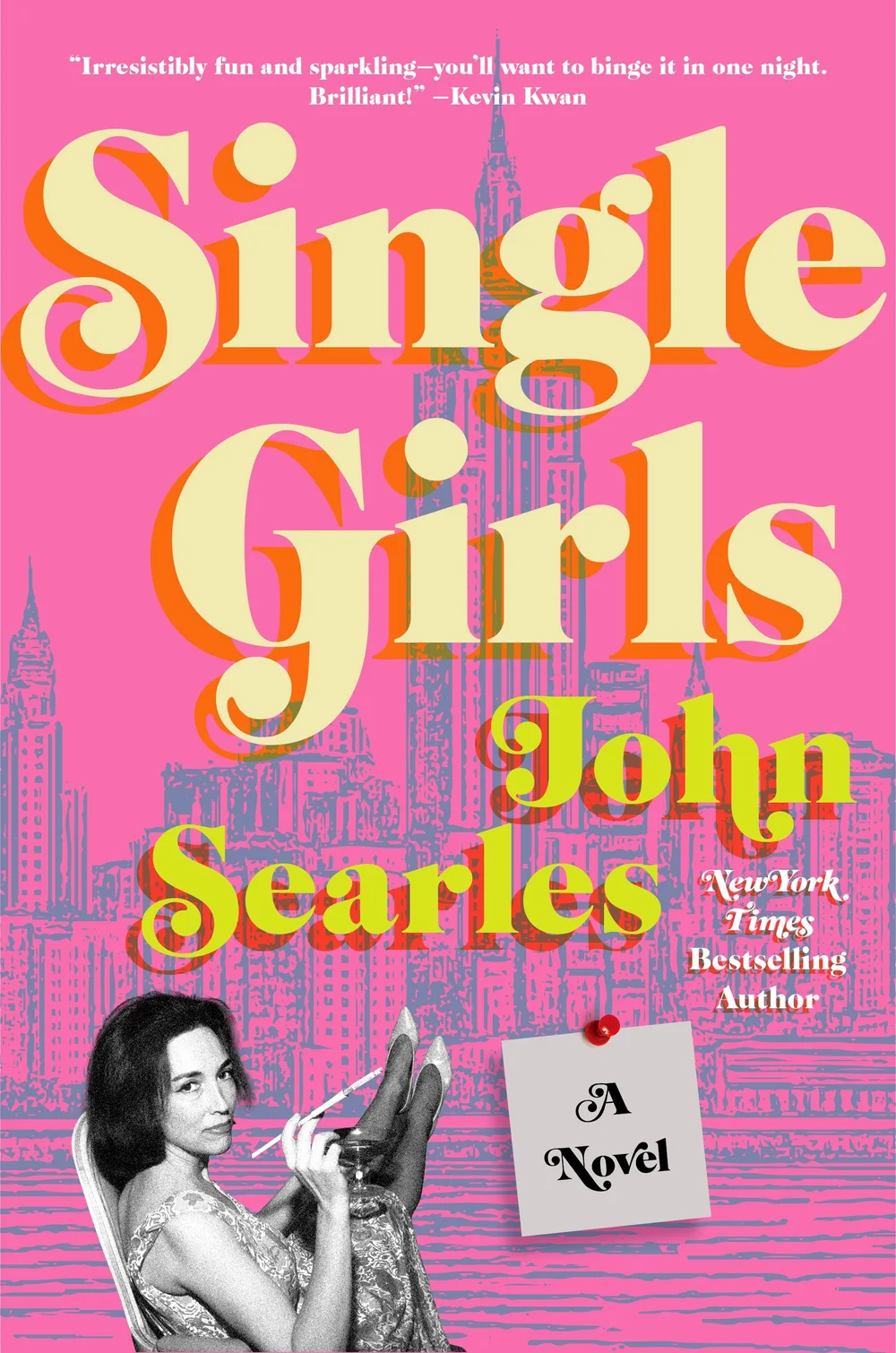
In Single Girls, former Cosmopolitan editor and novelist John Searles takes a fresh approach: Rather than writing a traditional biography, he recreates the energy of the magazine's glory days through Helen and the remarkable women she assembled to help reshape both the publication and the culture around it. We spoke with Searles about the surprising sexism Brown endured, why he wanted to tell the stories of the editors in her orbit, what today's readers often misunderstand about her legacy, and why a novel about Cosmopolitan simply had to include one of the magazine's signature quizzes.
Helen Gurley Brown was once one of the most famous women in America, but younger readers may only know her as "the Cosmopolitan lady." What surprised you most when you started researching her life?
How much sexism she faced, and how difficult so much of her early life was. And how both of those things shaped her into the incredibly savvy and scrappy woman she became. When you look at Helen’s life, you realize she was uniquely prepared to revolutionize women’s magazines. She knew what it felt like to be underestimated, and she used that experience to create something completely new with Cosmopolitan.
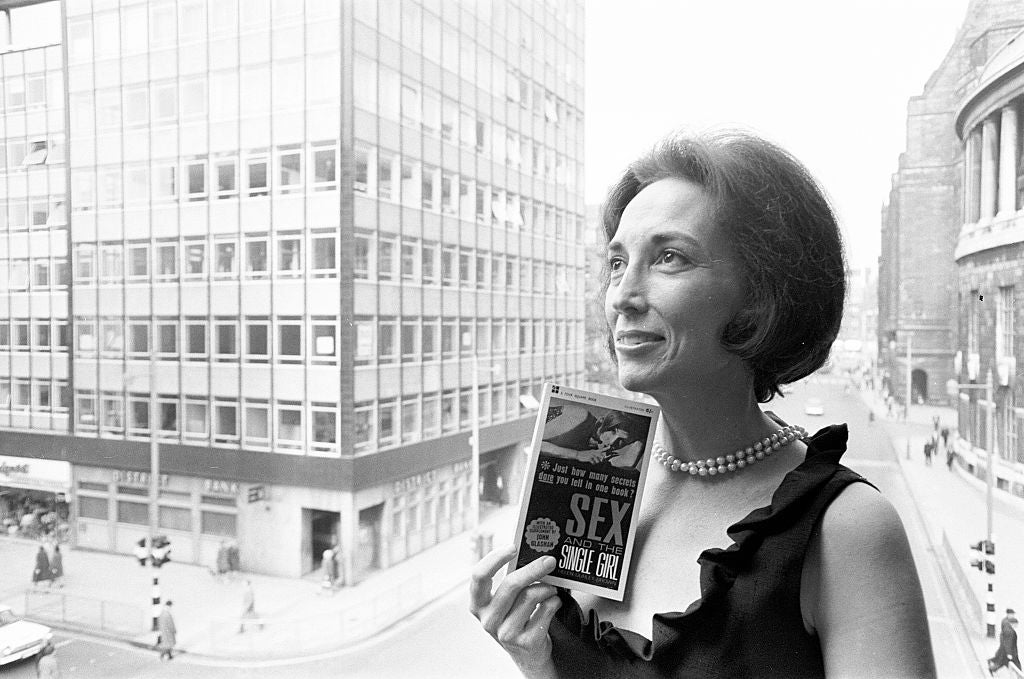
Single Girls captures Helen’s life and rise to fame, while also giving readers the fascinating stories of the various women she assembled on her team to transform Cosmo. Why did you choose to tell their stories too?
I didn’t set out to write a biography of Helen; there are plenty of those already. Instead, as a novelist, I wanted to bring to life an era — the 1960s — and an industry — women’s magazines — at a moment when editors were tastemakers with enormous cultural influence. Since I was an editor at Cosmo for 23 years, and formed an unlikely friendship with Helen, I have a fascination with the magazine world and the unique experience of a team creating a publication that shapes culture.
When Helen took over Cosmo, most women’s magazines were edited by a man, so she was shaking up an entire industry and completely changing what a women’s magazine could be. The way I describe the book is that Helen is like the sun and the editors are like the planets revolving around her. Through their stories, we see her impact on each of them, which speaks to the incredible influence she had on the women who worked for her and the millions who read the magazine she edited.
The novel presents Helen as much more complicated than both her biggest fans and her fiercest critics remember. What are some other ways that you think she’s been misunderstood?
Lots of people criticized Helen for not being a feminist because she was always advising women about dating men. But she insisted she was a feminist because she believed in women leading empowered lives.

She encouraged women not to be “herded and hypnotized” into marriage, but to focus on their careers if that’s what they wanted, to enjoy being single, and to enjoy sex without shame. Those ideas may seem obvious today, but at the time they were genuinely controversial. She was asking women to imagine a life beyond the traditional path laid out for them, and that was a radical idea.
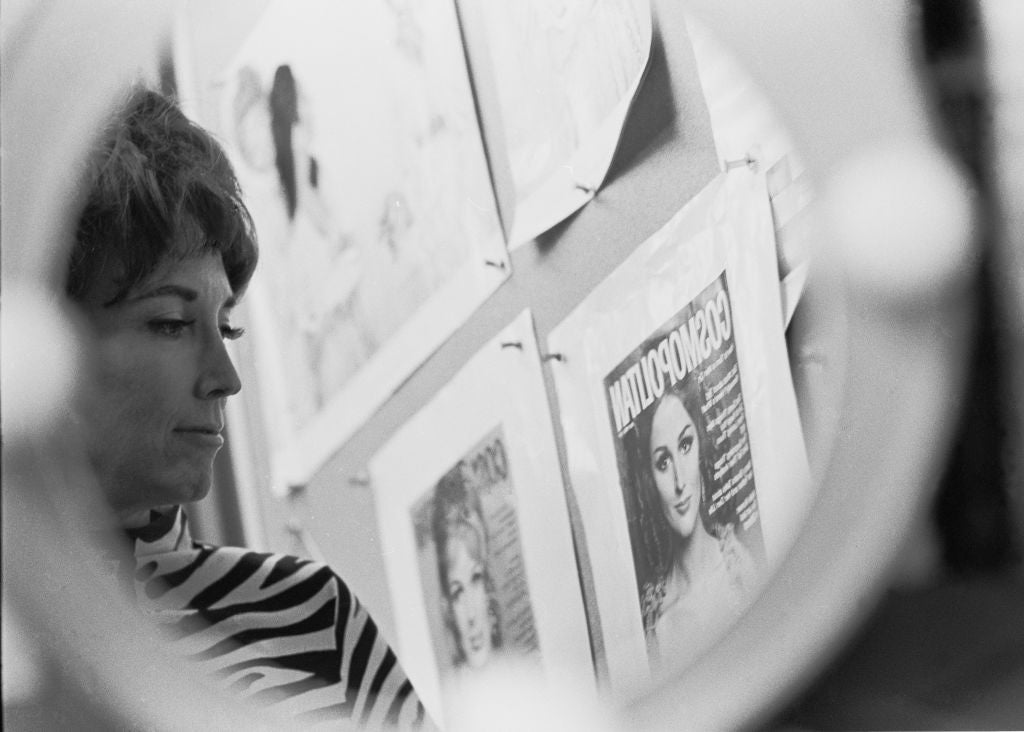
You recreate 1960s New York so vividly: Was there one place, person, or piece of research/media that unlocked that world for you?
It was so much fun to write about Helen and David Brown dancing at the Rainbow Room, the vibrant fashion of the era, and new products (like Pop-Tarts!) that arrived at the Cosmo offices from press agents hoping for a mention. But the person who truly unlocked a fascinating side of this world for me was the famed gossip columnist Liz Smith.
Liz was the Entertainment Editor at Cosmo when Helen took over, and the two formed a lifelong friendship. I was lucky enough to know Liz, who once referred to me as “one of her little pets” in her column. Liz was gay, and she opened a window into what life was like for gay women in New York in the 1950s and ’60s.
Cosmo even published a story about the Women’s House of Detention in Greenwich Village, a truly horrible place. In Single Girls, I write about the so-called “Three-Item Rule.” During police raids on gay bars, women could be arrested if they weren’t wearing at least three items of traditionally feminine clothing and could be sent to the Women’s House of Detention. It was a notorious place, and gay women lived in fear of ending up there.
Exploring that history helped me bring another side of New York in that era to life, and as a gay man, that was especially meaningful to me.
You take the unusual step of including a quiz in the novel. Why?
I mean, how can you write a novel about Cosmo without including a quiz?
On the surface, it’s a fun way to engage the reader — because it’s not often you turn the page in a novel and find yourself asked to take a quiz. But more seriously, it’s my way of showing readers just how groundbreaking the magazine was.
The quiz is made up of real Cosmo headlines from the 1960s and asks readers how likely they would be to want to read each story. It gave me a chance to highlight the subjects the magazine covered that were way ahead of their time: interracial marriage, a full-color map of the female anatomy, birth control, abortion, investing, how to get a divorce and lots more. These were things you simply could not Google back then.
Helen encouraged women to build lives that don't revolve around waiting for someone else to choose them. Do you think that's ultimately the message at the heart of Single Girls, or is there something else you hope readers take away from it?
I hope readers have fun with the book. The world feels so dark right now, and I wanted to write something joyful that offered an escape into a time of incredible change, with lots of glamour, ambition, and big personalities. But on a deeper level, I hope readers come away seeing how the women of that era changed the possibilities for those who came after them.
Finally, I hope they feel my love for Helen and Liz and so many of the incredible women I was lucky to work with during my years in magazines.
Single Girls is on stands now — and available for purchase here.