






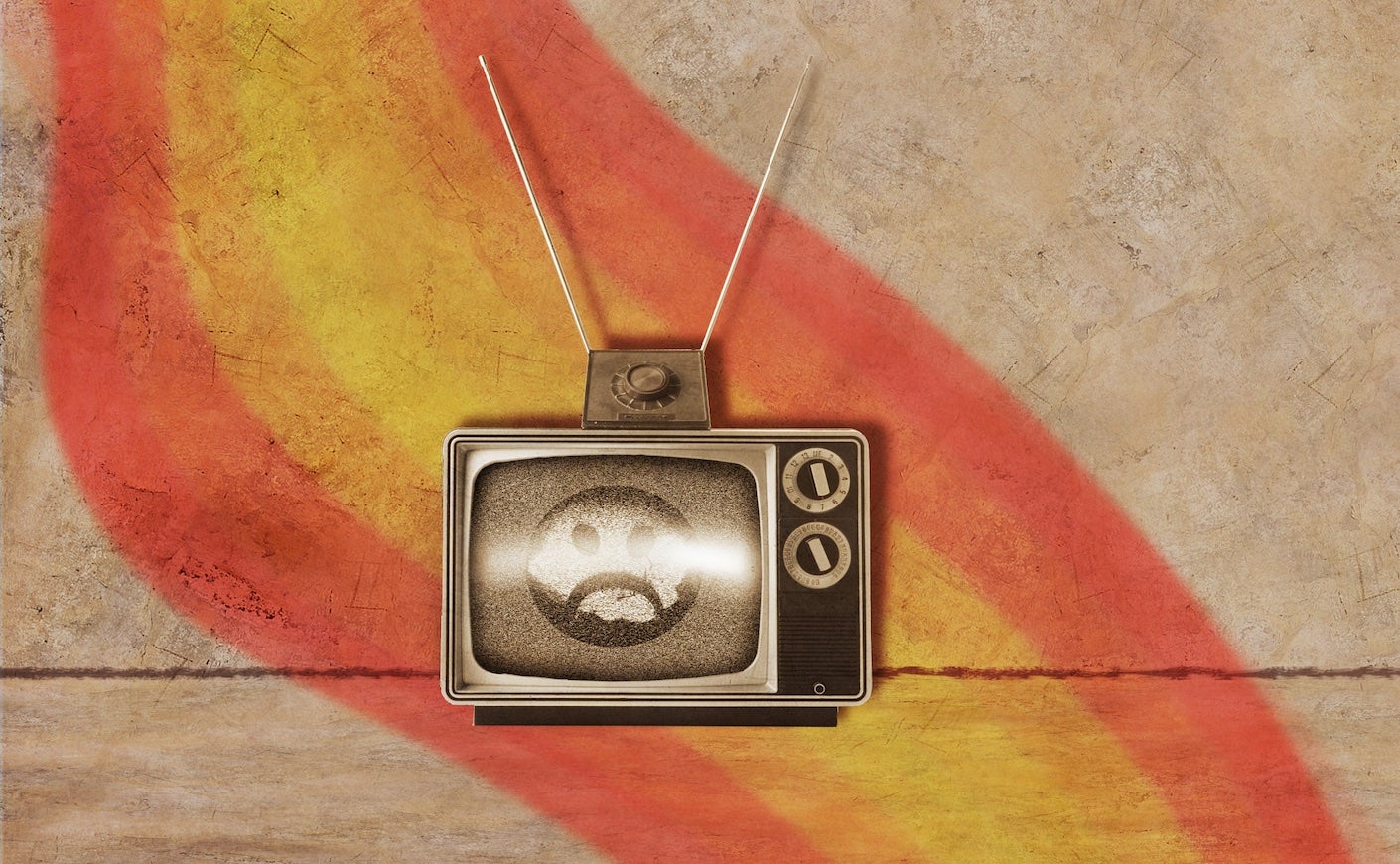
When I started producing reality television in 2005, the finale served as the culmination of the contestants' 15+ minutes of fame. There might be a burst of attention, a few interviews, and some criticism, but eventually the audience moved on. Today, the finale is often only the beginning. Every mistake made on unscripted TV can become a meme, every argument a TikTok clip, and every series introduction to streaming an invitation for a new audience to judge someone all over again.
For years, most criticism of reality television centered on the edit. But I no longer think the edit is the biggest challenge facing reality television. Social media is.
Sophie Gradon and Mike Thalassitis became public figures almost overnight after appearing on Love Island. Both later died by suicide. Their deaths prompted difficult questions about the pressures that can follow sudden reality TV fame, including intense media attention, online abuse, and the support available to participants after filming ends.
The Curse of Love Island, which recently premiered on Prime Video in the UK, explores those questions without suggesting that the show alone caused either death. Instead, it examines the complicated realities former contestants can face after leaving the villa. But the issues it raises extend well beyond one franchise, touching shows from The Bachelor and Big Brother to Married at First Sight. The formats may differ, but the reality is increasingly the same: the show ends, while the public judgment continues.
And this can happen no matter when their show aired, which I learned while executive producing Dirty Rotten Scandals: America’s Next Top Model. I had the unusual experience of revisiting a major reality franchise years after the original episodes ran. We spoke with former participants who had spent years living with an edited version of themselves that can now be discovered and reanalyzed at any time via streaming, YouTube, or social media.
The edit is no longer the final word
When the genre first burst onto the scene, viewers' doubts and questions were targeted at production: Did producers manipulate the story? Did someone receive a “bad edit”? Was an isolated comment turned into a defining character trait?

Those are legitimate questions. I have spent enough time in edit rooms to understand how much power exists in deciding what the audience sees — and what it never sees. But now we have to factor in how social media will react to the edit, and what the contestant will face as each scene and clip is reshared and dissected on TikTok, Instagram, Reddit, and more.
Every argument can become a TikTok clip. Every mistake can become a meme. A facial expression can be slowed down, reposted, and debated by people who have never met the person on the screen. Reddit threads revisit seasons from years ago as though they aired last night. The edit may introduce the public to a version of someone, but the internet keeps that version alive.
2017 Bachelorette Rachel Lindsay is an example of that: She continued to face public judgment long after her season ended. As the franchise’s first Black lead, she continued to hold the show accountable for its handling of race and diversity years after her season. After a 2021 interview in which longtime host Chris Harrison defended a contestant’s attendance at an antebellum-themed event, some viewers blamed Lindsay's efforts for the resulting controversy. The racist messages, hateful comments, and threats became so intense that she temporarily deactivated her Instagram account.
Olivia Caridi experienced a different version of the same phenomenon after appearing on The Bachelor in 2016. Portrayed as the villain of her season, she was mocked online for everything from her behavior to her appearance. Memes focused on her mouth and facial expressions, while strangers sent messages telling her she was a terrible person and should die. Caridi later said the continuing abuse left her depressed and suicidal.
Their circumstances were different, but both reveal how the judgment surrounding reality television can take on a life of its own after the show ends. An edited identity becomes a public one, repeatedly reinforced by clips, memes, and commentary long after the person at its center has tried to move forward.
Where production’s control ends
I resist the idea that the industry has simply ignored participant welfare. Many productions have strengthened psychological screening, mental health support, social media preparation, and post-show care.
Love Island, for example, expanded its protocols to include psychological assessments, social media training, proactive post-show contact, and therapy for former contestants. It later began pausing participants’ social accounts while they were in the villa to limit abuse aimed at them and their families, since the show airs almost live. Other productions have adopted similar forms of screening, mental health support, and aftercare.
Those changes matter. They also demonstrate how difficult the problem has become.
A production can provide counseling. It can explain the realities of sudden public attention. It can remain in contact after filming. What it cannot control is the behavior of millions of viewers, anonymous accounts, algorithms, tabloids, and online commentators once the show is released.
Participants leave a controlled production environment and enter a digital one that is almost completely uncontrolled. Long after the crew has wrapped and the network has moved on, strangers are still deciding who these people are.
No release form — and probably no aftercare program — can fully prepare someone for that.
When I started, protecting participants largely meant thinking carefully about what happened during production and what we chose to put on screen. That is no longer enough.
The broadcast is the starting line
This is not an argument against reality television. Millions of people enjoy these shows, and many participants describe the experience as positive and life-changing. Careers are launched. Relationships are formed. Opportunities are created that would not otherwise exist.
Nor can producers be held responsible for every cruel comment posted online. But our definition of the duty of care has to keep pace with the world in which we produce.
When I started, protecting participants largely meant thinking carefully about what happened during production and what we chose to put on screen. That is no longer enough.
The broadcast is no longer the finish line. It is the starting line.
The questions we still need to answer
There is no simple answer. How long should psychological support continue? How do you prepare someone for a level of fame — or hostility — that cannot be predicted? What responsibility belongs to producers and broadcasters, what belongs to social-media companies, and what belongs to viewers?
The Curse of Love Island makes clear that these questions are no longer secondary to making reality television. They are part of the job.
Working on Dirty Rotten Scandals: America’s Next Top Model showed me how long an edited television identity can last.
The cameras eventually stop. The judgment does not. For those of us who make this kind of television, what happens after the show may now matter as much as what happens during it.
