






- Independent autopsy by Dr. Roger Mitchell found no definitive cause; could not rule out drowning or non-accidental factors.
- Wells disappeared July 4 on Horn Island during a friends outing; his body was found July 6, identified by dental records.
- Decomposition and missing organs from the initial autopsy limited forensic conclusions, including possible neck injuries and water in lungs.
- He was the only Black member of the group; racial context and photos prompted national concern and calls for independent review.
- His family, represented by Ben Crump, seeks transparency; high-profile figures funded the autopsy, attended services, and offered a reward for information.
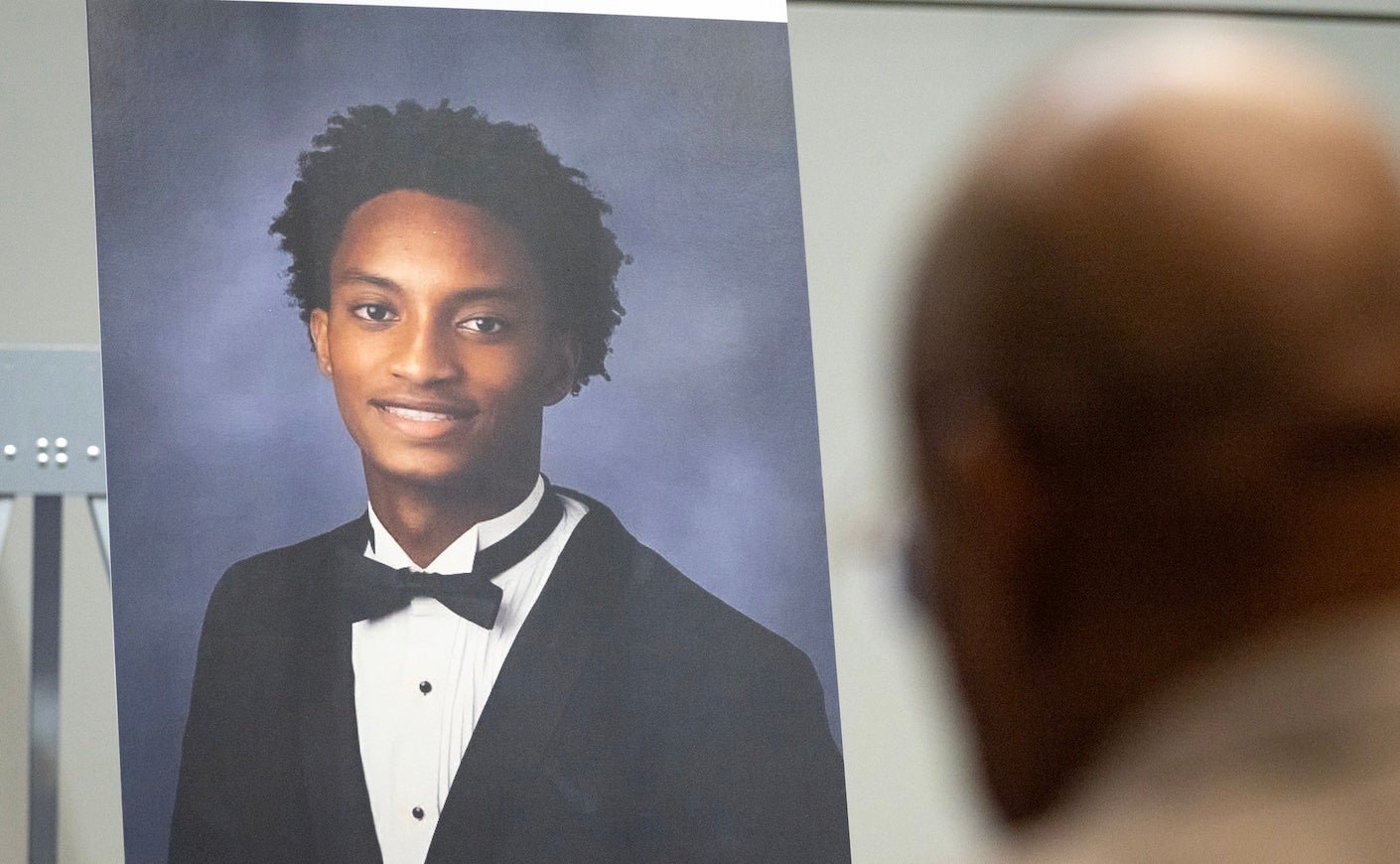
What began as a Fourth of July weekend boating trip ended in tragedy. Eighteen-year-old Nolan Wells disappeared during an outing to Horn Island with friends and was found dead two days later. In the weeks since, his family and supporters have continued to push for answers about what happened in his final hours.
Since then, Wells' family has continued to press investigators for answers, commissioned an independent autopsy, and subpoenaed records from several social media companies. Along the way, the case has drawn national attention, with civil rights attorney Ben Crump, Rev. Al Sharpton, the NAACP, the Congressional Black Caucus, and several prominent public figures publicly backing the family's efforts.
Here's what we know about the case—and the latest developments in the investigation.
New developments in the investigation
Investigators are continuing to piece together Wells' final hours by reviewing digital evidence, witness accounts, and newly released records.
On Tuesday, Wells' family said it had subpoenaed Snapchat, Meta, and TikTok, seeking records they believe could shed light on Wells' final hours. The move comes after the family's attorneys raised concerns that potential evidence may have been deleted from Wells' social media accounts or cellphone following his disappearance.
Meanwhile, newly released audio from a July 4 call to the private towing company Sea Tow offers a new glimpse into what was happening before Wells disappeared. In the recording, an unidentified teen can be heard urgently telling a dispatcher that the group's boat was taking on water after its bilge pump stopped working and that they were "going down." When asked whether everyone was on board, the caller replied that they were and asked for the boat to be pumped out and towed back to shore. But before Sea Tow arrived, the boat's owner canceled the request for assistance, saying the group had already found other help.

Another friend who was there, Bart Edmiston Jr., has since hired an attorney. His lawyer says Edmiston has fully cooperated with investigators by providing access to his boat, cellphone, and GPS data, and plans to pursue legal action over what he describes as false online accusations linking his client to Wells' death.
Authorities have not yet announced any arrests or identified any suspects.
Who is Nolan Wells?
Wells was an 18-year-old student-athlete from Ocean Springs, Mississippi, described by family, friends, and coaches as a "silent leader" with a bright future.
After graduating from Ocean Springs High School in 2025, Wells enrolled at Southwest Mississippi Community College, where he played football and planned to study business. He was preparing to return for the upcoming season when he disappeared over the Fourth of July weekend.
Those who knew Wells say he was known as much for his character as his athletic talent. His high school football coach described him as "the kind of son, teammate, friend, and student every coach hopes to have," praising his humility, work ethic, and willingness to lead by example.
What happened to Nolan Wells?
Much about Wells' death remains unclear, but investigators have pieced together a basic timeline from witness interviews and other evidence.
According to authorities, Wells traveled to Horn Island — a barrier island about 10 miles off Mississippi's Gulf Coast — with a group of friends on the morning of July 4 to celebrate Independence Day. The boat left from a private dock in Ocean Springs and arrived later that morning.
Investigators say Wells spent several hours on the island before his friends returned to the mainland without him. According to Jackson County Sheriff John Ledbetter, Wells' friends said he planned to stay behind and catch a ride back later. (His parents, Christine Wells-Wonsley and Elmore Wonsley, have disputed that account, saying it does not sound like something their son would have done. They have also questioned why Wells' cellphone was found in the possession of one of his friends.)
After Wells failed to return home that evening, his family reported him missing. His mother has said she initially contacted authorities but was directed to another agency before learning one of Wells' friends had already notified the U.S. Coast Guard. Another friend later called her directly to say Wells had not returned with the group.
A search involving local, state, and federal agencies continued overnight and into the following day. On July 6, a National Park Service ranger found Wells' body on Horn Island, and he was identified through dental records the next day.
Although officials initially told news outlets they believed Wells had drowned, the Jackson County Sheriff's Office has since emphasized that the investigation remains active. Authorities are awaiting additional forensic testing before determining Wells' official cause and manner of death.
As public interest in the case has grown, Warren Hudson, one of Wells' friends who was on the boat that day, urged people not to jump to conclusions. "There's no facts out, just a lot of rumors," Hudson told the New York Post this week. "That's just how the internet is today. That's really it, it's horrible."
What did the independent autopsy find?
After Mississippi's medical examiner performed an initial autopsy, Wells' family hired forensic pathologist Dr. Roger Mitchell to conduct an independent examination, saying they wanted a fresh review from someone with no ties to Mississippi law enforcement.
The second autopsy did not determine how Wells died. Dr. Mitchell found no significant traumatic injuries that would explain the 18-year-old's death, but said the available evidence was insufficient to determine whether Wells drowned or died from another cause. In his report, he wrote that, without additional information, he could not rule out the possibility that "non-accidental factors contributed to or caused the death."
Mitchell said several factors made it difficult to reach a definitive conclusion. By the time he examined Wells' body, it had begun to decompose, limiting what could be determined. In addition, because the Mississippi medical examiner had already completed an initial autopsy — a standard practice that includes retaining certain organs and tissues for testing — Wells' body arrived without several internal organs and neck structures. As a result, Mitchell said he could not determine whether Wells had suffered a neck injury, whether water had entered his lungs or whether he was conscious when he entered the water.
Mitchell also noted a red discoloration on the back of Wells' head that he said warranted additional review. He requested additional information from Mississippi authorities about that finding, as well as the results of the original autopsy. Speaking at a news conference on July 22, the family's attorney, Ben Crump, described the report as "inconclusive" and said the pathologist's findings meant he could not rule out the possibility of foul play.
Among outstanding questions regarding Wells’ death were the circumstances that led him to enter the water, his body position when he was found, and whether there was water in his airways, Dr. Mitchell wrote in his report.
Those unanswered questions shaped the news conference, where Wells' family renewed their call for a more thorough and transparent investigation.
"The only question we have is, 'What happened to our son?'" Wells-Wonsley said. "It is our hope that our local authorities will do what they need to do. Us having the preliminary autopsy results and hearing nothing from them is heartbreaking and concerning."
In a statement, the Mississippi Medical Examiner’s Office declined to comment on the independent autopsy but said its own investigation remains “active and ongoing.”
Why is his death garnering so much attention?
Family members and their attorneys have said photos and videos from the Fourth of July gathering on Horn Island, where nearly 200 people had gathered, appear to show Wells was among very few Black attendees. Combined with the unanswered questions surrounding his death, those circumstances have fueled broader discussions about whether deaths involving young Black Americans receive adequate investigative scrutiny, as well as renewed conversations about Mississippi's history of racial violence and discrimination.
Amid those questions, civil rights leaders and lawmakers have joined the family's call for an independent investigation. The Congressional Black Caucus has echoed that request, while the NAACP last week passed a resolution urging law enforcement, including the Justice Department, to conduct an "in-depth and openly transparent review" of the events leading up to the recovery of Wells' body.
The case has also attracted support from several prominent public figures. Actor and producer Tyler Perry helped pay for Wells' funeral. Former NFL quarterback Colin Kaepernick helped fund the independent autopsy, and filmmaker Spike Lee attended a news conference in support of Wells' family.
Wells was laid to rest Monday at Center Pointe Church in Ocean Springs in a service officiated by Rev. Al Sharpton. During his eulogy, Sharpton and Perry announced a reward for information leading to an arrest and conviction in the case.
"The reason why a lot of people in the nation are looking at this Nolan situation is that we've looked at history in Mississippi. Some of us remember what happened in Mississippi," Sharpton said.
