






Whenever I don't know where to go, north is usually the answer. I grew up on Baffin Island in the Canadian Arctic, about a three-hour flight straight north from Chicago. I spent my childhood with the local Inuit kids, taking turns burying each other in snow and whistling for the northern lights to come closer. Although I haven't lived there in decades, the Arctic still calls to me, especially when the world starts to feel very heavy. Returning to the rhythms of the far north keeps me grounded and reminds me how much out there is still worth fighting for.
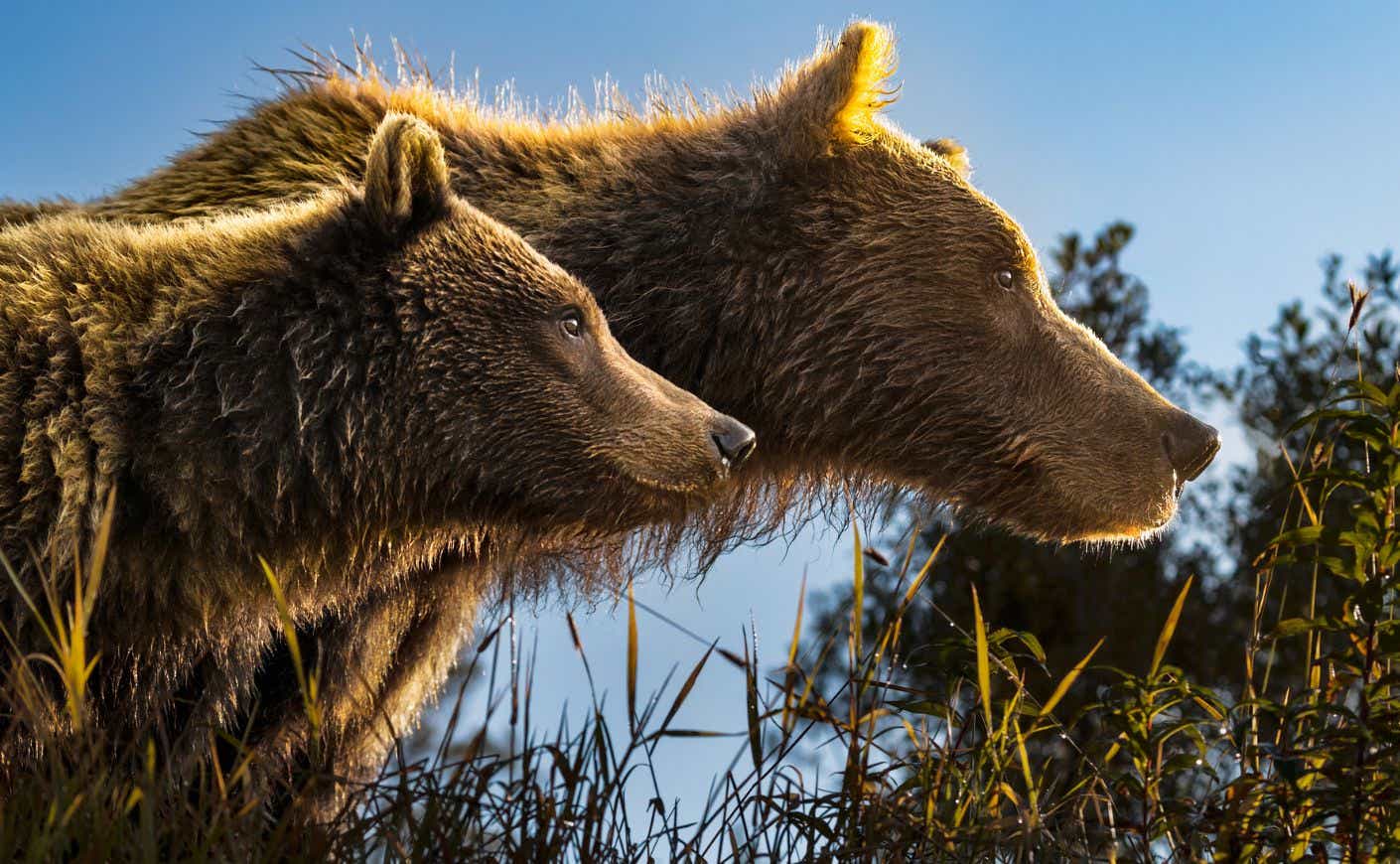
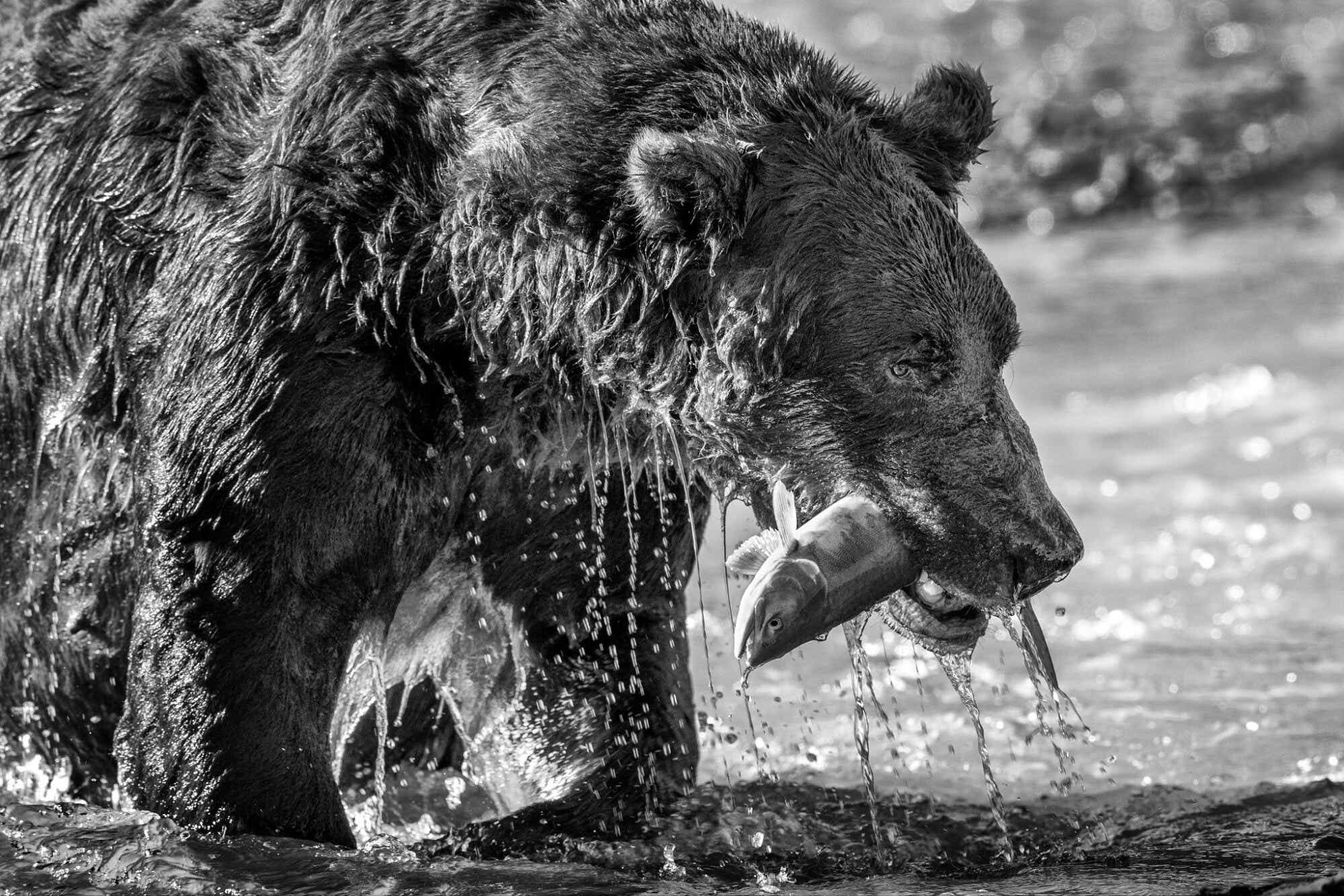
In July, I will be visiting one of my favorite places in the fjords of Alaska. Every summer, the pristine rivers of Katmai National Park fill with salmon, luring hundreds of brown bears down from their mountain dens to feast before hibernation. These bears are a little different from your average grizzly. Mature males can reach up to 1,500 pounds, rivaling their polar bear cousins further north.
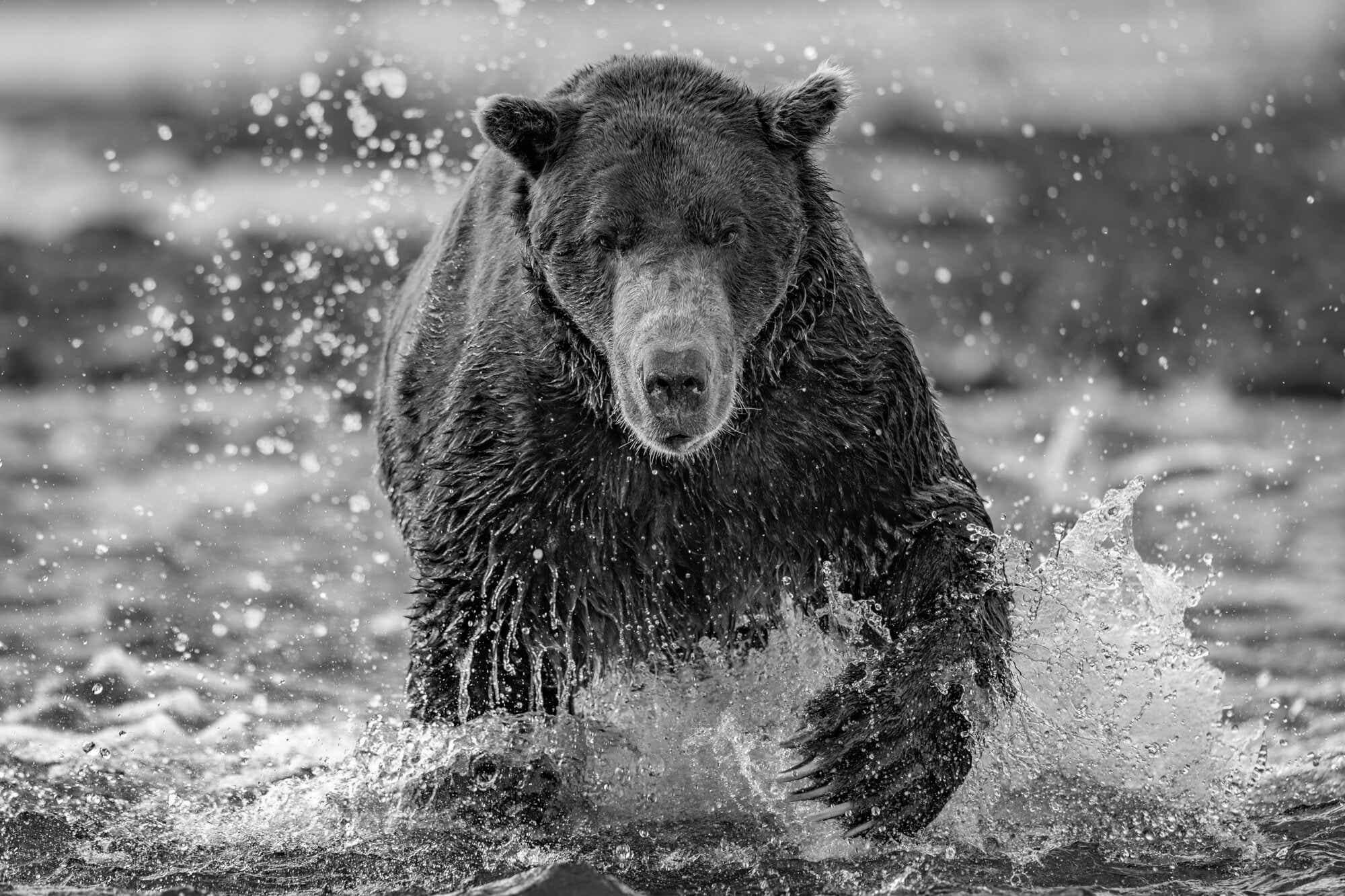
Despite their formidable stature, Katmai bears are well known for their calm temperaments and complete indifference to people. The only thing on their mind is salmon, and some have even wandered close enough for me to smell the fish on their breath.
The bears I’ve come to know
The last time I was there, on a quiet stretch of riverbank one August evening, a mother and her cub materialized from the brush just eight feet away. She knew I was there, but paid me no attention, focusing instead on a large male upstream to ensure he posed no threat to her cub. For hours, I photographed them as she tried to teach her young one to fish, though the lesson wasn't sticking. The cub was far more interested in splashing through the shallows, perfectly content to let mom do all the providing.
Through moments like that, these bears have a way of touching your heart. Jeremiah Fraites of The Lumineers visited Katmai and was so moved by what he found that he reached out to collaborate, and we ended up pairing my footage with his song "Maggie."
Spending time in the company of wildlife has a way of bringing what is truly important into focus. Unfortunately, not everyone shares that reverence.

The policy that puts them at risk
The same bears I’ve photographed over the years — including mothers and cubs — are among the animals targeted by a controversial Alaska predator-control program, in which state wildlife officials have shot bears from helicopters. First authorized in 2022, the program has faced repeated legal challenges since then. Now, the state has renewed it for the 2026 season, with operations expected to resume this month.
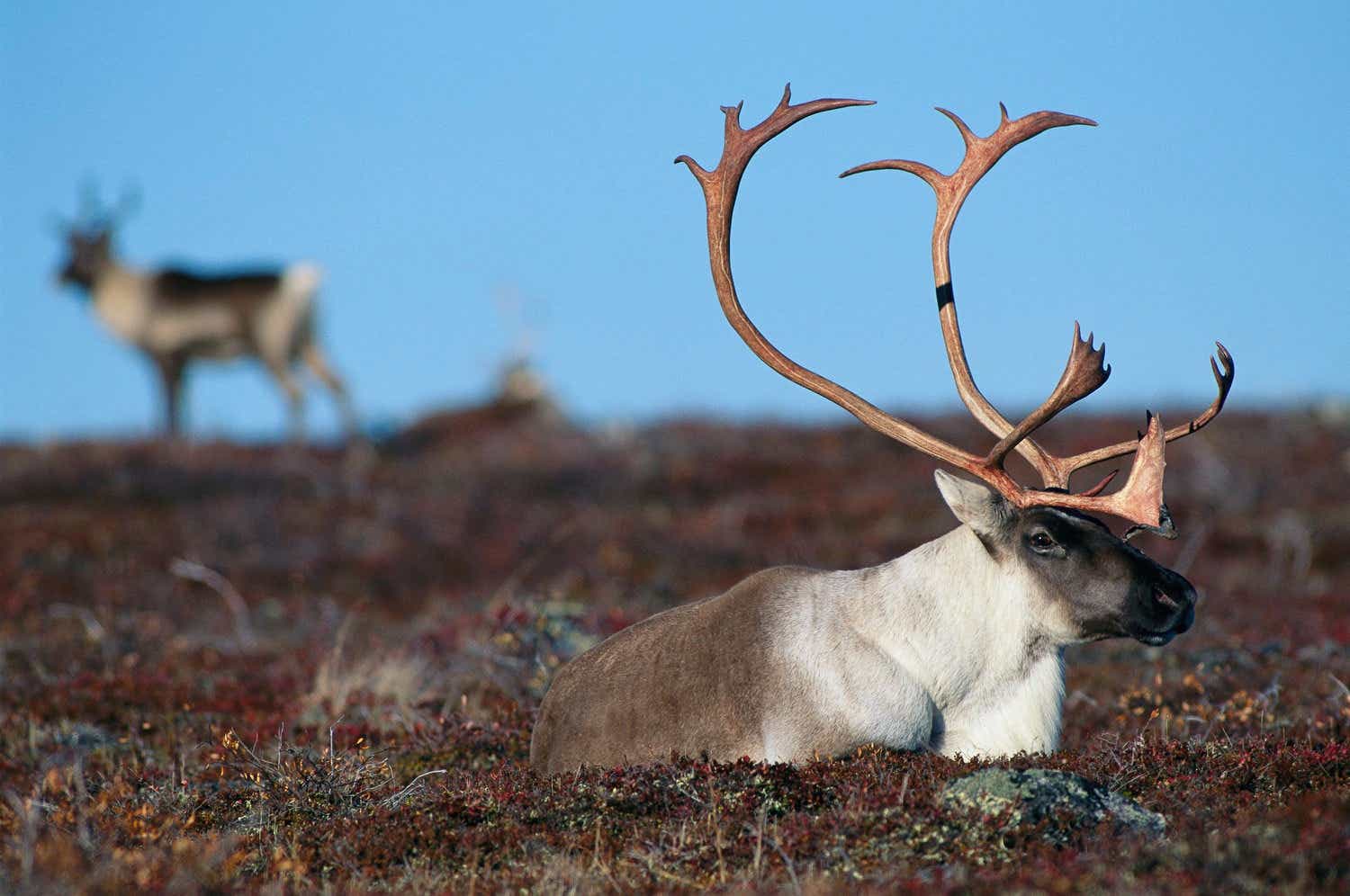
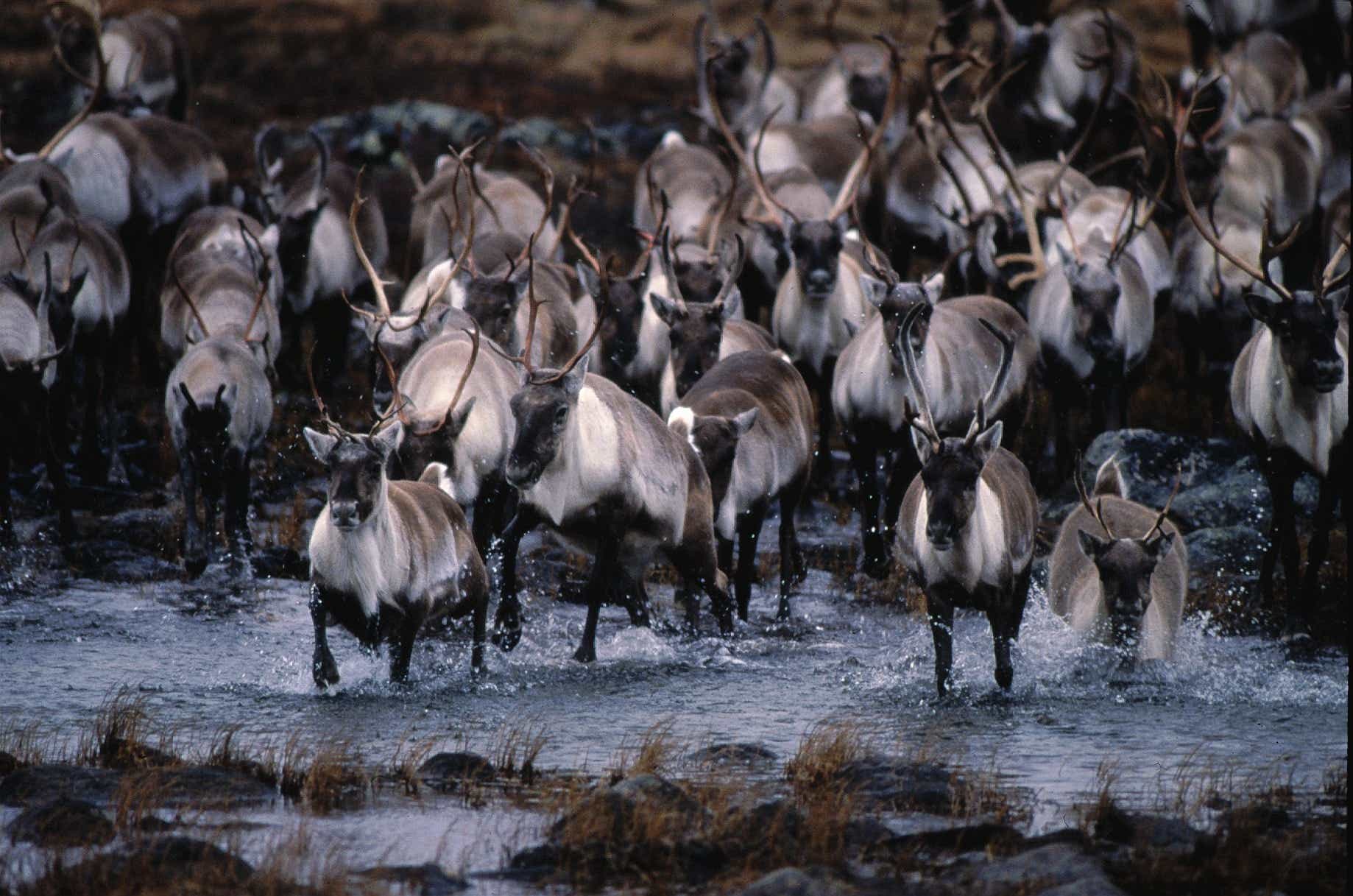
On the surface, the Alaska Department of Fish and Game makes a compelling argument in favor of the bear cull that satisfies those unwilling to look deeper. The Mulchatna caribou herd, once peaking near 200,000 animals in the 1990s, fell to around 12,000 by 2019, its lowest level. These caribou are a vital source of subsistence for Alaskan communities. In the Arctic, fresh produce is scarce and expensive, and many people still hunt for their protein as they have for thousands of years.
In 2021, a total hunting ban was imposed on the herd, as its population had not recovered for over a decade. The state argues that predation on calves is the main barrier to recovery. Caribou recovery is a real problem that needs solving, but the state is going about it entirely the wrong way.
What happened to the caribou?
To find the true solution, we must first understand what happened to the Mulchatna caribou. Large migratory herds naturally oscillate on cycles spanning decades, something Indigenous Peoples have documented for centuries and Western science has confirmed. A herd grows during favorable conditions, eventually overshoots what the land can sustain, degrades its habitat through overgrazing, and crashes before the land slowly recovers and the cycle begins again.
That is most likely what happened here. Healthy lichen, caribou’s main food source, allowed the herd to grow explosively through the 1980s and 1990s, reaching 200,000 animals. That was never a baseline population, but an extreme overshoot. A natural correction was always coming. The problem is that the herd hasn’t been able to recover.
The state's own research shows high pregnancy rates and healthy adults coming out of winter, but calves are not surviving the summer. The state has identified predation as the cause, but hasn't fully considered what might be weakening calves in the first place.
Bears, wolves, and caribou have coexisted in a stable predator-prey relationship for thousands of years. If predator populations haven't changed, why has predation suddenly become such an issue? The honest answer is that science is still working to understand the full picture, making this a far more complex problem than the state's approach suggests.
To start, we have to look at what has changed over the last 40 years. The Arctic is warming four times faster than the rest of the world, changing the landscape from lichen-dominant, which caribou depend on, into shrubland better suited for moose. Roads, development, and human encroachment continue to fragment and pressure the range these animals have used for millennia. Warmer summers are also producing longer, more intense insect seasons. Mosquitoes and warble flies harass caribou until they stop feeding and burn through their energy reserves, fleeing to barren ground. Any one of these factors can weaken a calf, which predators then capitalize on. Together, they paint a picture of a herd under siege from every direction. But the state is only looking in one.
The cost of getting it wrong
Scapegoating predators will only bring more destruction. It is the easy, short-term answer, blind to the bigger problems it may create down the road. There is a genuine desire to see the caribou recover, both for the ecosystem and for the people who depend on them. But killing bears and wolves only treats one symptom while the underlying disease — a warming Arctic and a changing landscape — goes unchecked. We can be so quick to pull the trigger on our fellow species. If only we were just as fast to study and understand the impact of our own actions.
When I return to Alaska this July, I get the feeling things will look a little different from my last visit nearly a decade ago. There are reports of bears that reliably came back to the same riverbanks each year, but are now missing. Sooner or later, humanity is going to have to reckon with the damage we have done to our environment. Damage that has done far more to unravel the web of life than any predator ever has or could. Until that reckoning comes, we must speak for those who cannot speak for themselves. Please join me, among thousands of others, calling for an end to this aerial slaughter by signing the petition and supporting the Alaska Wildlife Alliance and the Center for Biological Diversity, who are leading the ongoing legal battles against the Alaska Department of Fish and Game.
Paul Nicklen and Cristina Mittermeier co-founded SeaLegacy in 2014. SeaLegacy’s mission is to inspire people to fall in love with the ocean, amplify a network of changemakers around the world, and catalyze hands-on diplomacy through hopeful, world-class visual storytelling. For more updates on their meaningful work, learn more about SeaLegacy, and subscribe to Ripple Effect, Katie Couric Media’s sustainability newsletter.
