




I almost missed it. I was in a taxi on my way to the airport in the Bahamas, phone in hand, the familiar gravity of the scroll pulling at me. There were emails to check, headlines to skim, daily Duolingo lessons to complete (I’m on day 464 and my French score is 75, in case you’re wondering). But my battery was running low and the driver didn’t have a charger, so I put the phone away and a conversation unfolded.
The driver, a man who had spent his whole life on the island, walked me through 300 years of history. He talked about the current political situation, pointed out the public and private hospitals, explained what happened in the wake of Hurricane Dorian in 2019, and described how the country had rebuilt. By the time we reached the terminal, not only had I learned a great deal about the country, I felt that particular aliveness that comes from talking to and learning from another person. I honestly wished the drive had been longer.
I’ve been thinking about that taxi ride ever since. It reminded me of something we are quietly losing.
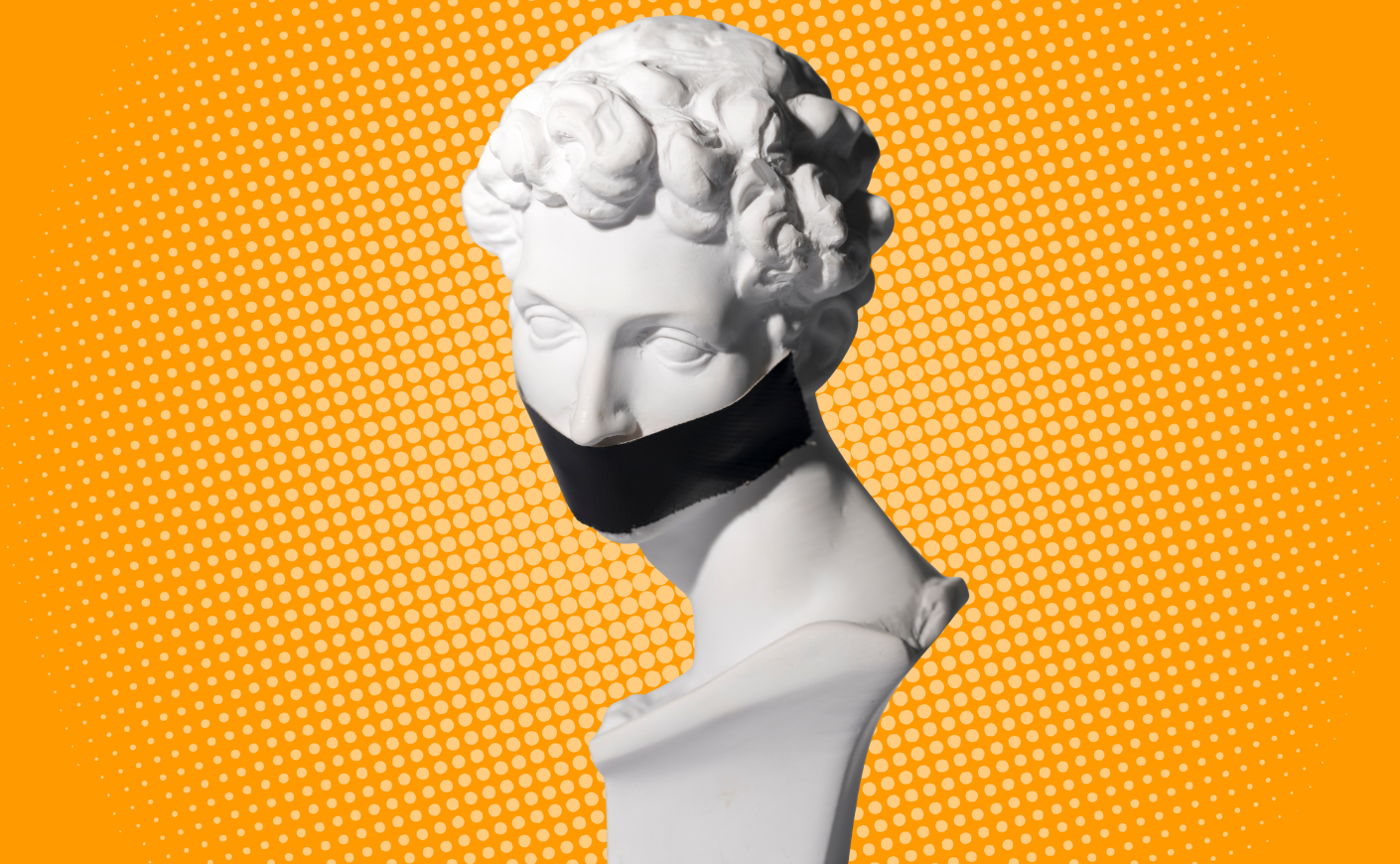
We have stopped talking to each other. Not entirely, not on purpose, but spontaneous conversations — the unplanned, unscripted ones that happen when there is nothing else to reach for — have become increasingly rare.
We have become terrified of saying the wrong thing
Scroll through any wellness account and you’ll find an endless parade of linguistic landmines. Never say “just calm down” to someone with anxiety. Don’t tell a person with depression to “look on the bright side.” Never ask a child with ADHD “why can’t you just focus?” Don’t say “this too shall pass” to someone who is grieving. The lists go on and on. What not to say to a new mom. What never to tell someone in recovery. We are warned that even when well-intended, these phrases are “more harmful than you think.”
Take enough of these warnings to heart and every conversation starts to feel like a potential violation. Every instinct to reach out gets filtered through a checklist with impossibly high standards. We are all walking on eggshells. Patients tell me regularly how afraid they are of saying the wrong thing.

When people are going through something hard, they are not waiting for your perfect words.
And so, with the best of intentions, we go quiet. We don’t ask the widower how he’s doing, not because we don’t care, but because we’re worried about saying something that might upset him or be taken the wrong way. We hold back from calling the friend who didn’t get the promotion because we can’t find the words that feel “just right.”
But here’s what the research tells us, again and again: when people are going through something hard, they are not waiting for your perfect words. (For the record, there is no such thing.) They are just waiting to hear from you. What may feel clumsy to you rarely feels that way to the person receiving it. What lingers isn’t the imperfect thing you said, it’s the fact that you showed up at all.
We have lost our tolerance for the friction of real conversation
Real conversation is imperfect. It wanders. It can get uncomfortable. People disagree. Silences land awkwardly. Someone says something you find irritating, or confusing, or that requires you to respond when you’d rather not.
We have developed a near zero tolerance for the imperfect, the complicated, the person who requires more from us than we feel like giving on a given day.
We have decided we don’t want any of that. We would rather get lost in our phones or walk away than deal with the discomfort.
As I wrote about recently, a researcher analyzed fifteen years of posts on Reddit’s r/relationship_advice, one of the largest relationship forums on the internet. Comments advising boundaries, therapy, and breakups have surged, while nearly every other kind of advice, telling people to communicate, compromise, and give each other space has declined. Someone posts about a difficult partner, a frustrating friendship, a family conflict, and the most upvoted response is almost always the same: leave. Cut them off. You don’t need that in your life.
The analysis captures something about how we have come to think about difficulty in relationships. We have developed a near-zero tolerance for the imperfect, the complicated, the person who requires more from us than we feel like giving on a given day. We have rebranded avoidance as self-respect, and abandonment as a boundary.
But all relationships require friction to deepen. We get better at conversation by doing it, by tolerating awkward pauses, by learning how to repair the small ruptures that inevitably happen when two humans try to understand each other. Avoidance doesn’t protect us. It atrophies the very muscles we need to connect.
Our phones fill every silence
The average American picks up their phone nearly 200 times a day. We reach for it in elevators, in lines, at stoplights, at dinner tables, and in taxis (unless, of course, our battery is running low). We have become so practiced at filling dead space with the screen that we’ve forgotten what used to live there: conversation.
The silence between strangers was once an invitation. Now it’s a void we reflexively close with our devices. What we don’t realize is that those small openings, a wait at the pharmacy, a seat on a train, a ride to the airport, were where some of the richest encounters of daily life unfolded. Research by behavioral scientists Nicholas Epley and Juliana Schroeder found that commuters who talked to strangers reported significantly higher levels of well-being than those who stayed silent, even though the vast majority predicted the opposite would be true. We think we want to be left alone, that we will be happier if left to our own devices, on our devices. We’re wrong.
Conversations are rarely perfect. They are not a performance, nor should they be a minefield. A conversation, at its best, is simply two people deciding, against the pull of everything else, to be present for each other for a few minutes.
And when someone does say the wrong thing, when they fumble the words, ask the question they shouldn’t have, or offer the clumsy comfort that lands badly, try to meet them with generosity rather than withdrawal. They showed up. They tried. Give them some grace.
The bottom line
Put the phone away. Engage in conversation. Talk to people even when you don’t feel like it. Tolerate the discomfort of someone who is harder to love than you’d like. You might even learn something. As an old friend used to tell me: everyone knows something you don’t.
Republished with permission from The Dose — subscribe here.
Dr. Samantha Boardman is a New York-based positive psychiatrist committed to fixing what’s wrong and building what’s strong. Based on 15 years of experience, she helps clients cultivate vitality and boost resilience. Visit her website and follow her on Instagram.