






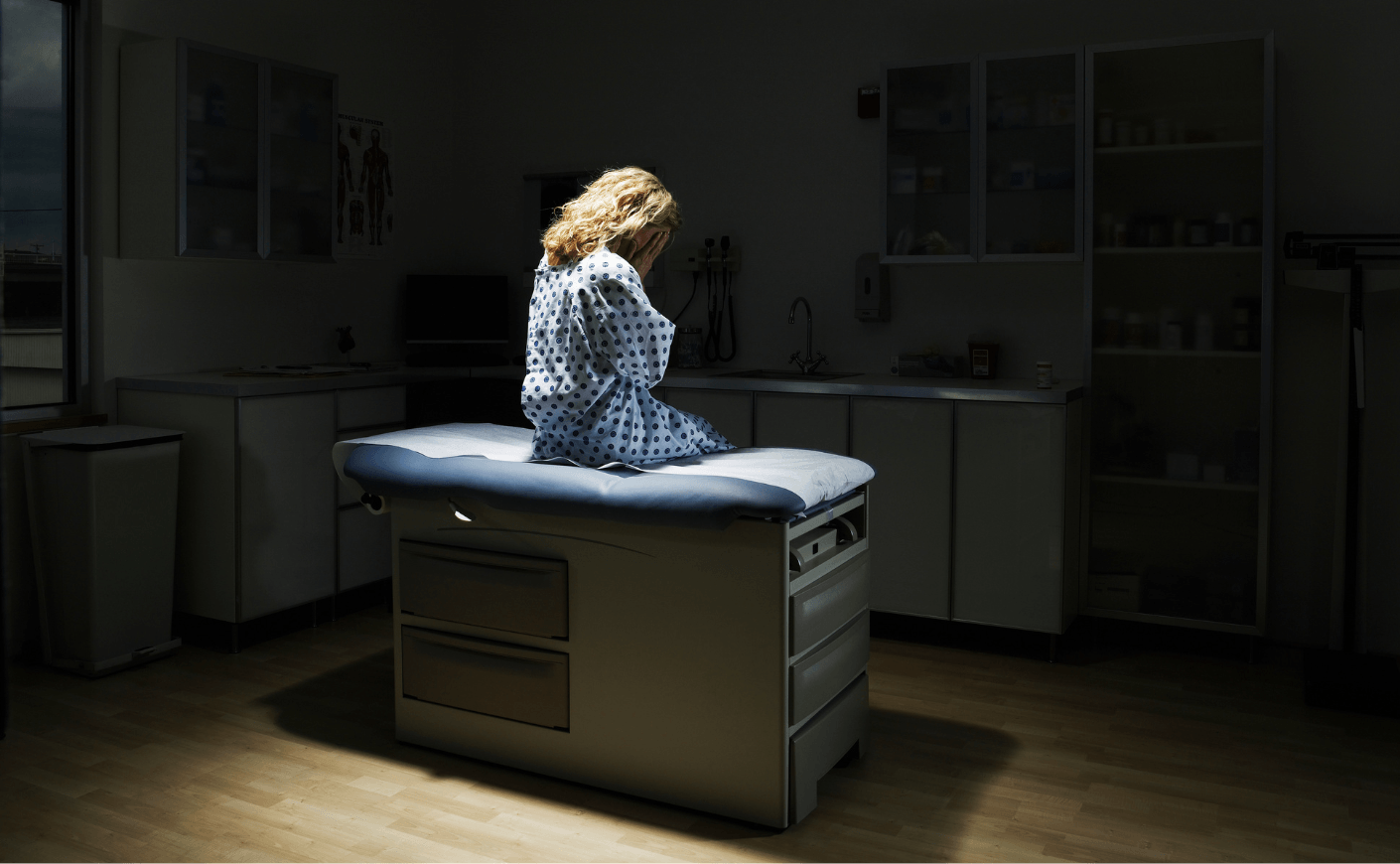
I first noticed blood in my stool just days before our scheduled embryo transfer.
After enduring four rounds of IVF that resulted in only one healthy embryo, we were finally about to find out if our dreams of starting a family would come true. Back then, in 2021, all I could think about was getting pregnant. It was the only thing that mattered.
I ignored the blood. I told myself my body had been through so much over the prior year, from countless hormone injections to the stress of wading through every step of the IVF process. The physical and mental toll must have triggered my hemorrhoids, I told myself — even though I had never experienced hemorrhoid issues before. I reminded myself to relax, and assumed everything would be OK.
And it was. At least for a few months.
The bleeding stopped as quickly as it began. And I was finally pregnant: Life was good. But a few months later, the bleeding returned — this time with much more regularity. Pregnancy can mask so many things; I mentioned the hemorrhoids to my OB and she agreed. We didn’t talk about the bleeding again.
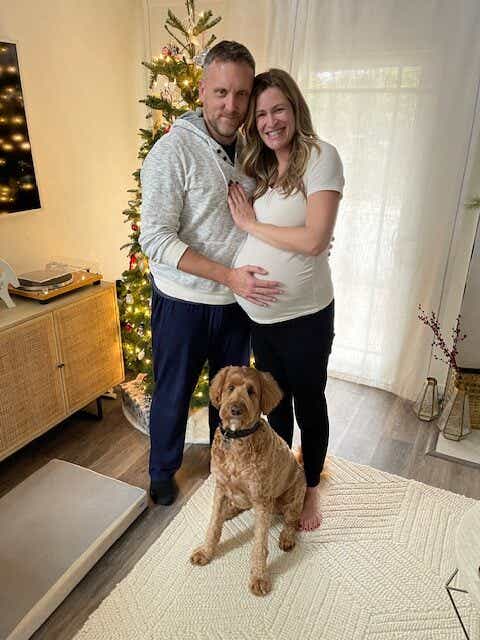
In my third trimester, I had an actual hemorrhoid flareup, and it was nothing like what I'd experienced before. There was a lot of pain and discomfort and I developed an external hemorrhoid. Throughout it all, the bleeding continued; now it was happening every time I had a bowel movement.

I hoped the hemorrhoid would resolve itself once my daughter was born, but I quickly realized it wasn’t going anywhere. Neither was the bleeding: Even in my postpartum newborn haze, I knew it was getting more intense. When my OB broke the news that surgery would be the only way to get rid of it, I made a mental note to find a surgeon — just as soon as I could focus on something other than feedings and diaper changes.
Six months after my daughter was born, I finally met with a colorectal surgeon. I had made this appointment for one reason, and one reason only — I wanted the external hemorrhoid gone. My surgeon did an exam and before I could even button my jeans back up, she told me the bleeding wasn’t coming from my hemorrhoids. I would need a colonoscopy immediately. I asked if I should be worried, and her response was chilling.
“It could be a lot of things other than cancer, but we need a colonoscopy to find out.” That was the first time I’d heard the word cancer uttered.
I had the colonoscopy one month later. As I was coming out of anesthesia, I heard my surgeon talking on the other side of the curtain — and what she said changed everything. She told the the nurse that she would speak with me when I woke up, adding, “Make sure her husband is with her.”
That’s when I knew.
Within 20 minutes, she was showing us color photos of the tumor inside my rectum. It didn’t seem real: I was an otherwise healthy and active 42-year-old. All I could do was wail into my husband’s shoulder, “But we have a seven month old.”
Within days we had an official diagnosis: stage 3b rectal cancer. The tumor had broken through the wall of the rectum and was in some of the nearby lymph nodes. A scary diagnosis for sure, but one my care team believed was curable. I soon began 25 rounds of radiation over five weeks, followed by five cycles of chemo (CAPEOX) over fifteen weeks.
Nothing can prepare you for the physical and emotional toll of treatment. Not only was I facing intense side effects like diarrhea, exhaustion, and extreme cold sensitivity in my hands, feet, and throat, I was also taking care of a baby. Most days, I just wanted treatment to end, but I also didn’t want to miss anything about my daughter’s first year of life.
My post-treatment scans showed no sign of cancer, but we still proceeded with surgery as a precaution. The low anterior resection removed half of my rectum and part of my colon, along with 17 lymph nodes. In order to let the new connection heal, properly I had a temporary ileostomy bag for seven weeks, then an ileostomy reversal.
Two years after I first noticed the bleeding, I could finally begin to heal. But I also had to face the lifelong side effects that come with losing part of your digestive tract. As I recovered, my daughter and I were both in diapers.
Now, three years removed from surgery, I continue to show no sign of disease. But I’m forever changed. In many ways, survivorship is the hardest part: I'm constantly walking a tightrope between gratitude to be alive, and anger that this happened at all. There's also the constant anxiety and fear of recurrence. Slowly I have found a new normal, which involves many more trips to the bathroom. But it also means I can watch my daughter grow up.
I truly believe that external hemorrhoid saved my life — it brought me to my surgeon before the cancer could spread any further.
That’s why I’m now committed to normalizing talking about poop. Everyone does it — yet we've been conditioned to hide that fact. But colorectal cancer doesn’t care about social norms. It doesn’t care how old you are, or how healthy and active you might be. That's why we must pay attention to our bowel habits and get comfortable talking to doctors about any changes we see. Because that conversation could very well save your life.
A former TV sports anchor and reporter, Laura is now a writer, speaker, and an advocate for colorectal cancer awareness and prevention. She lives in the San Francisco Bay Area with her husband and four-year-old daughter.
