






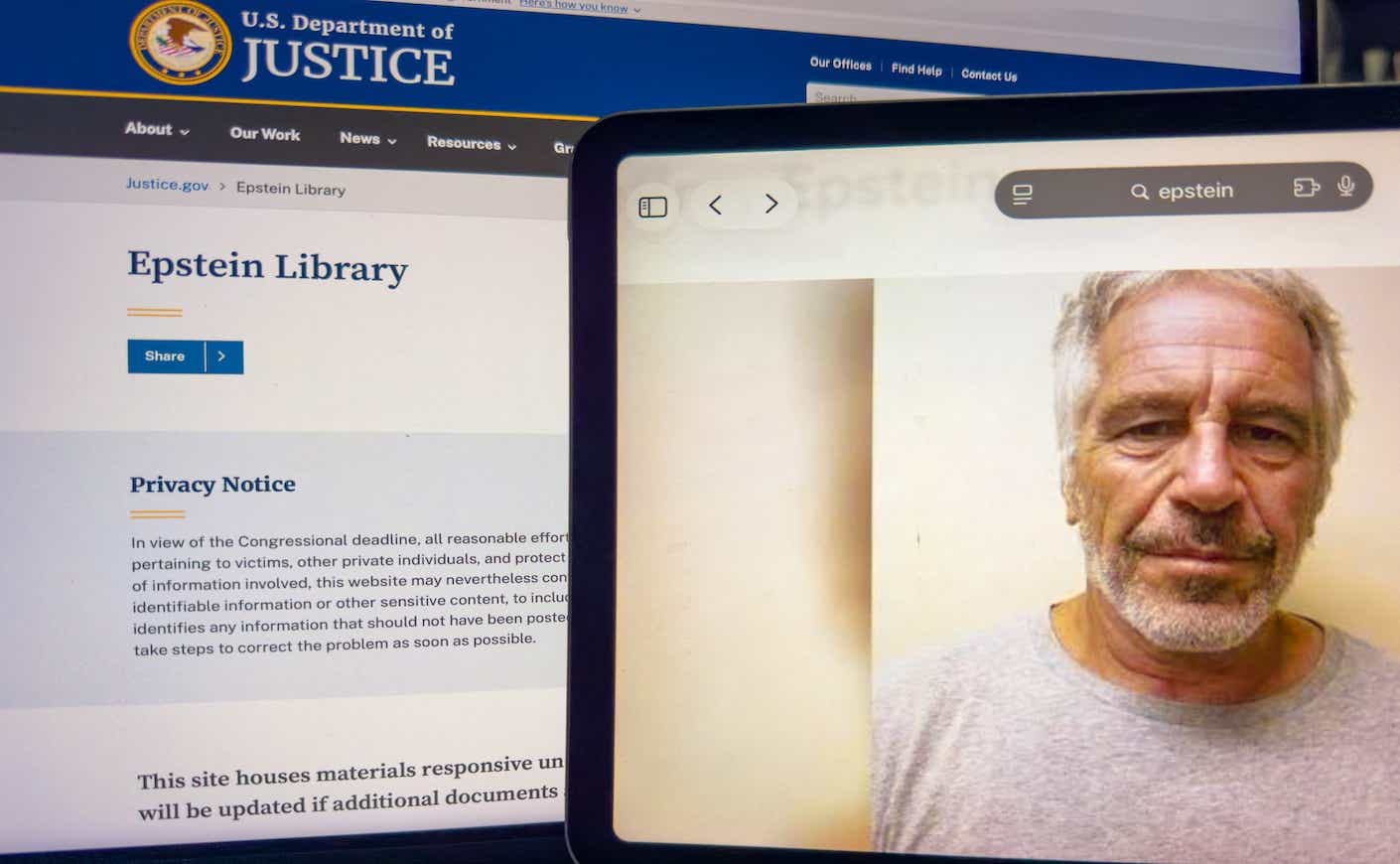
The frenzy around the Epstein files hasn’t dissipated, but it has noticeably cooled. After an initial wave of headlines tied to the release of millions of documents — and the fallout that followed — focus is being pulled elsewhere, from the escalating war with Iran to the fight over Department of Homeland Security funding, which is now contributing to mounting disruptions at airports.
But Julie K. Brown — the Miami Herald reporter whose investigation helped reopen the case — isn’t letting it fade. In new reporting with her colleague Claire Healy, which she discussed with Katie Couric, she reveals that just days after Jeffrey Epstein’s 2019 death, an inmate — later identified as Steven Lopez — was told to dispose of bags of shredded material. It’s unclear who gave the order, but he said another inmate, whose name was withheld, was brought in to help.
Corrections Officer Robert Kearins, whom Lopez first alerted, flagged it to the FBI, warning the materials were being discarded before they could be properly reviewed. What happened next is even murkier: There’s no indication in the Epstein files that the FBI, federal prosecutors, or the Office of the Inspector General took any further action.
In her conversation with Katie on Substack Live, Brown pointed to that lack of follow-through as a key concern. She said the contents — and whether anything meaningful was destroyed — remain unknown. “It’s hard to know for sure exactly what they shredded,” she said. She also questioned how investigators handled Lopez, saying the interview relied on yes-or-no answers instead of deeper probing. “Not really the way you question someone when you want to find out what happened,” she told Katie, adding that Lopez appeared intimidated.
One report suggests a prison lieutenant — whose name was also redacted — may have been present during the questioning, and the transcript shows Lopez was worried about possible retaliation for speaking up. Kearins was also interviewed but said he didn’t know what was being destroyed — only that it was gone before authorities could review it.
The questions don't end there. Brown also pointed to other missing records, noting, “We can’t find any of the inmate counts before August 10th,” the day Epstein was found dead. Without them, she said, it’s harder to piece together even the most basic timeline.

This is just one piece of a larger pattern Brown has been tracking for years — delays, missing documentation, and critical gaps that have made it difficult to fully understand what happened inside the jail in the days surrounding Epstein’s death. As she puts it, “it’s like a big puzzle — and you maybe have a third of the pieces.”
She says the lack of access to key records “says a lot about this whole cover-up,” adding that “the public needs to keep pushing” elected officials for answers. “This was a sex crime involving children — it shouldn’t be a political debate,” she says. "Everyone should want to get to the truth here because a lot of people were harmed."
All of it points to a case that, years later, still feels unresolved. And while public attention may have drifted, the central questions haven’t — what was lost, what was overlooked, and whether the full story will ever truly come into focus.
Watch the full interview above for more on the key unanswered questions about what happened inside the jail.
