






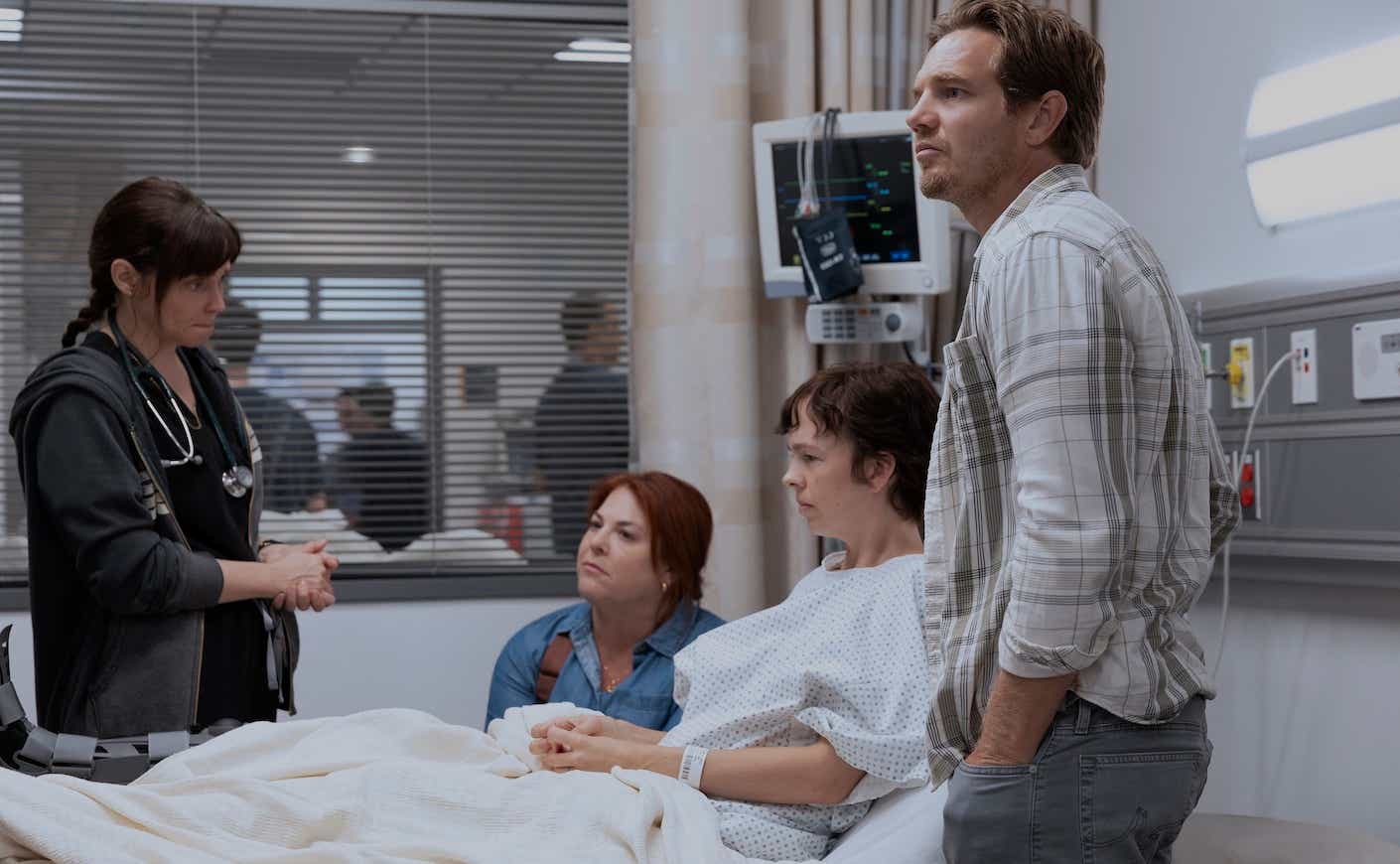
If you're sensitive to seeing death on screen, you shouldn't watch The Pitt. Set in a major city's emergency room, on the hit medical procedural, death is inevitable, and frequent. In fact, it occurs so often, sometimes you don't even clock it — but that's kind of the point. "Mortality isn’t a separate storyline in The Pitt; it’s woven into everything. And that’s true to life," says Shoshana Ungerleider, MD, founder of End Well.
The way end-of-life issues are addressed on the show is carefully thought out and intentionally diverse. Sometimes death is depicted in a drawn-out, heartbreaking, and poignant way (see everyone's reaction to Louie's end in season 2), and sometimes it's an unavoidable and unsurprising result of risky behavior.
"As a physician, it’s incredibly meaningful when a show accurately portrays death and dying," Dr. Urgerleider tells KCM.
Unfortunately, it's rare for the media to portray death and dying authentically, according to Dr. Underleider's analysis of more than 141,000 scripted TV episodes from 2010 to 2020. That's why she founded End Well in 2017 — to transform how the world thinks about caregiving, grief, illness, and the end-of-life experience. End Well was consulted for season 1 of The Pitt, and created a Palliative Care Tip Sheet to guide the show's creators in depicting everything from "the pause" after a patient's death to realistic family care decisions.
"I’ve been struck by how well The Pitt captures the reality of death — and by how willing audiences are to engage with it," she says. "That’s heartening, especially at a time when many people in medicine don’t feel particularly supported."
This season, The Pitt takes its quest to realistically depict death to another level, with the introduction of a terminal cancer patient, Roxie, who knows what's coming and doesn't want to go home to face it. We spoke to Dr. Ungerleider about her reaction to Roxie's final moments, her experience working with the creators, what they get right about end of life, and why it matters.

KCM: How did the collaboration between The Pitt and your organization End Well come about?
Dr. Shoshana Ungerleider: I’m a practicing physician — an internist by training — and I started EndWell after seeing so many people suffer at the end of life without having the conversations needed to ensure their care reflected their goals and values.
When I was working as a hospitalist, patients often referenced what they had seen on TV when making decisions about things like CPR. But those portrayals are often wildly inaccurate.
That’s one reason we studied how primetime television depicted death, with the help of the Norman Lear Center at the USC School of Journalism. After reviewing thousands of TV episodes, what we found was striking: Over 80 percent of on-screen deaths were caused by violence. Only about 4.3 percent were from illness. That’s not reflective of reality. The overrepresentation of violent deaths — and the absence of authentic end-of-life experiences — leaves audiences unprepared for the decisions they may eventually face.
That’s why shows like The Pitt matter. We had the opportunity to work with the production during season 1, helping inform portrayals of end-of-life care that were not just medically accurate, but emotionally honest. We created tip sheets for the writers and connected them with palliative care experts.
What makes The Pitt stand out in the crowd of medical procedurals?
What I appreciate most is that The Pitt portrays medicine as still deeply human, even in moments that are uncertain, fast-moving, and emotionally charged.
The show also captures the emotional toll this work takes on clinicians. Healthcare workers aren’t detached from these experiences. We carry that grief with us.
Research suggests that when people watch more authentic end-of-life stories, they’re more likely to talk with their families about what matters to them and more likely to complete advance directives. That’s very much in line with EndWell’s mission: not to make people dwell on death, but to give them the language and permission to have these conversations.
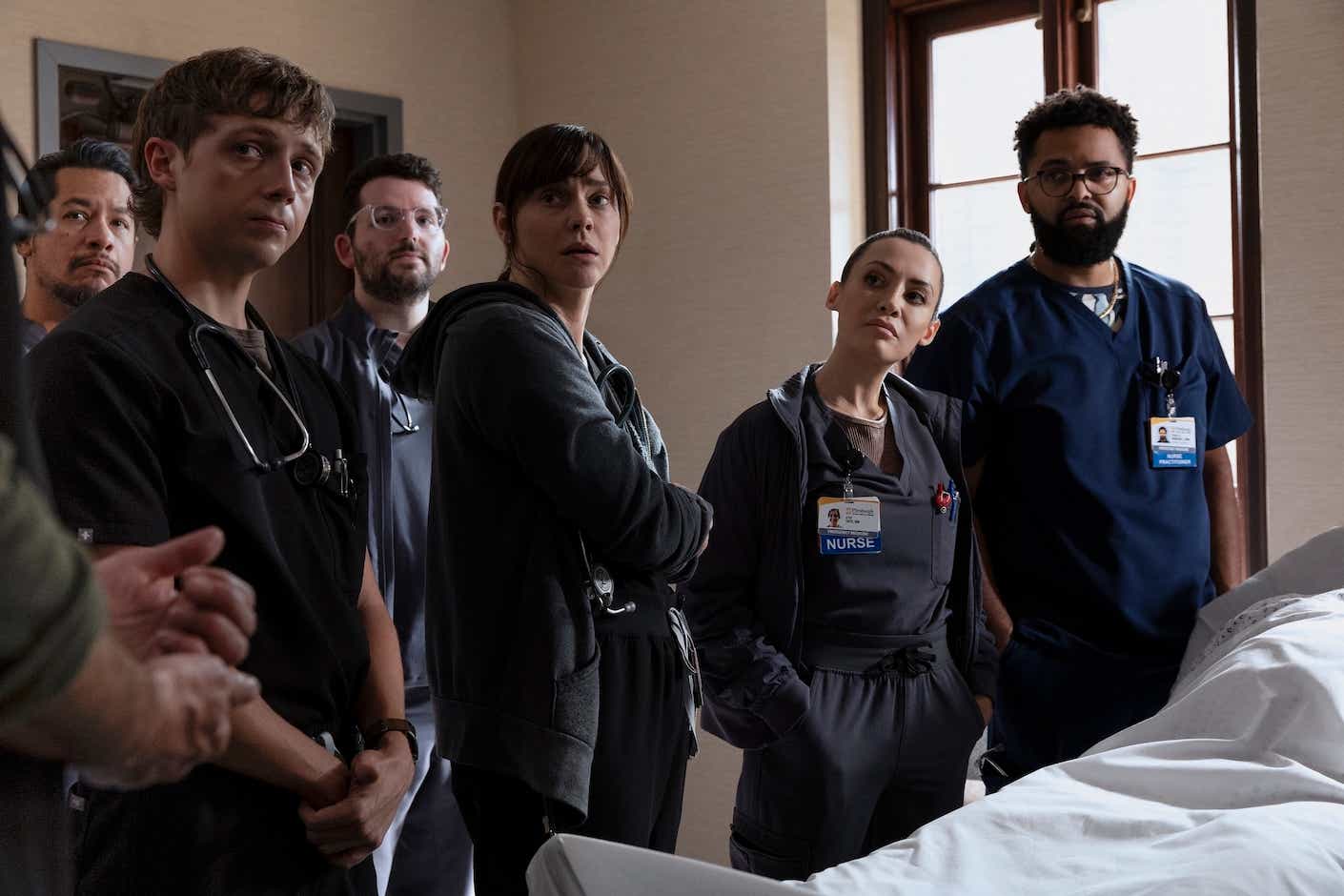
In the materials you shared about palliative care, were there one or two key ideas you especially wanted the writers and viewers to understand?
When the writers approached us, they weren’t looking for medical jargon. They wanted to understand what it’s really like to care for seriously ill patients — for clinicians, patients, and families.
So the guidance focused more on values than scripts: honoring silence in difficult conversations, acknowledging uncertainty, and allowing patients and families to lead when decisions get hard.
Entertainment has enormous power to shape cultural norms. When storytellers partner with experts and portray these experiences honestly, it doesn’t flatten the drama — it deepens it.
Were there moments in the show that stood out to you where you felt that influence — moments where you thought, Yes, that’s exactly right?
Definitely. One example is when Dr. Robby sits down with families to deliver difficult news — taking a pause, looking them in the eye, and speaking carefully. Those gestures may sound simple, but in medicine they matter enormously. That practice happens in hospitals across the country, but most people never see it.
I also appreciated how the show depicts the emotional weight trainees carry when they lose patients, and the importance of checking in and debriefing afterward rather than simply compartmentalizing those experiences.
People are facing end-of-life issues around every corner on The Pitt, but in season 2, there’s one storyline that deals with it acutely. A character named Roxie has terminal lung cancer and arrives with her husband and death doula. She ultimately makes clear that she doesn’t want to go home and continue suffering there. She's in a lot of pain, so they increase her morphine to keep her comfortable, and she dies in the hospital. What did you think of that portrayal and the role the death doula plays?
It’s super interesting. I’ve never seen a death doula depicted on television before, especially not in a hospital-based show. A death doula is similar in concept to a birth doula: someone trained to support patients and families emotionally, spiritually, and logistically at the end of life, though not medically.
I was blown away that The Pitt picked up that storyline. Having someone there to advocate for the person in the bed is hugely important, because a patient’s voice can easily get lost in a hospital setting.
What’s especially interesting is that Roxie is very clear that she doesn’t want to die at home. That’s less common, but it does happen. Sometimes a person doesn’t want that experience associated with their home, or they worry about the burden it would place on their family. What the show raises so well is the bigger question: How do we support patients when their wishes don’t fit neatly into the healthcare system?
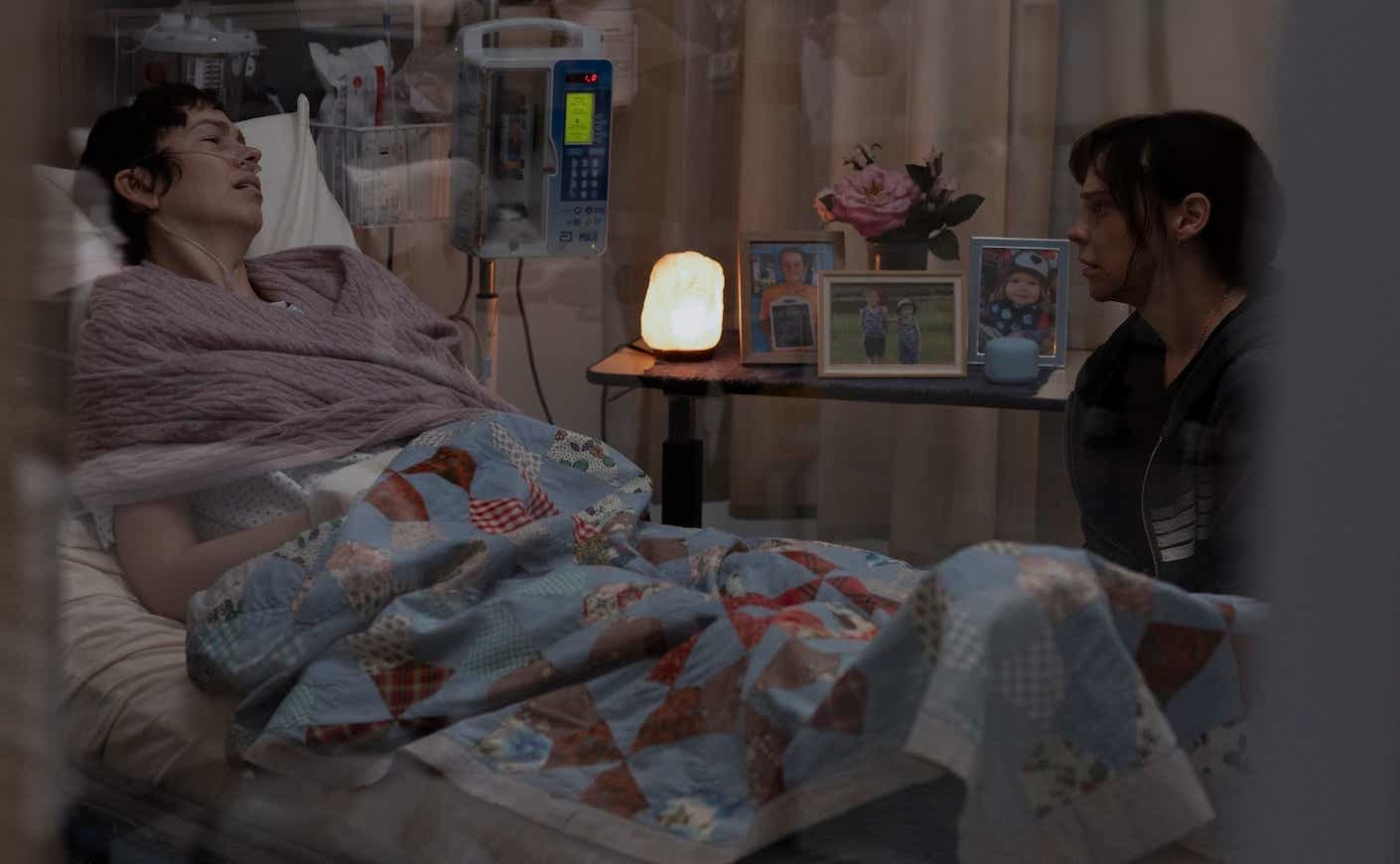
What was your reaction to how they handled the moment when Dr. McKay explained to Roxie what might happen if they increased her morphine? The conversation that really put death on the table, and Dr. Javadi had a pretty strong adverse reaction.
I thought that was very honest. For a trainee, especially, this kind of situation can feel deeply counterintuitive: Doctors are trained to treat, fix, and prolong life. So when the goal shifts to relieving suffering, it can feel jarring at first. When physicians use morphine or other opioids at the end of life, the goal is not to cause death. The goal is to relieve suffering.
That’s what makes the scene so powerful: the show frames it not as a dramatic medical crisis, but as a compassionate response to suffering. You almost never see television portray that so clearly.
When Dr. Robby confirms her time of death, there’s very little dialogue. Do you have any thoughts on how that was handled?
I was surprised there was no dialogue but I thought that was really striking. Those moments can be a form of care in themselves — honoring a life that has reached its natural end. It’s about recognizing that someone who mattered deeply to others has just crossed an invisible boundary, and treating that moment with dignity and respect. More broadly, I think The Pitt does a wonderful job of addressing this bigger question of "What does a good death look like?" For some people, dying in a hospital may seem tragic. But if that’s what the person wants, and the team is doing everything they can to honor those wishes and create comfort, then that can absolutely be the right setting.
