







Sponsored by

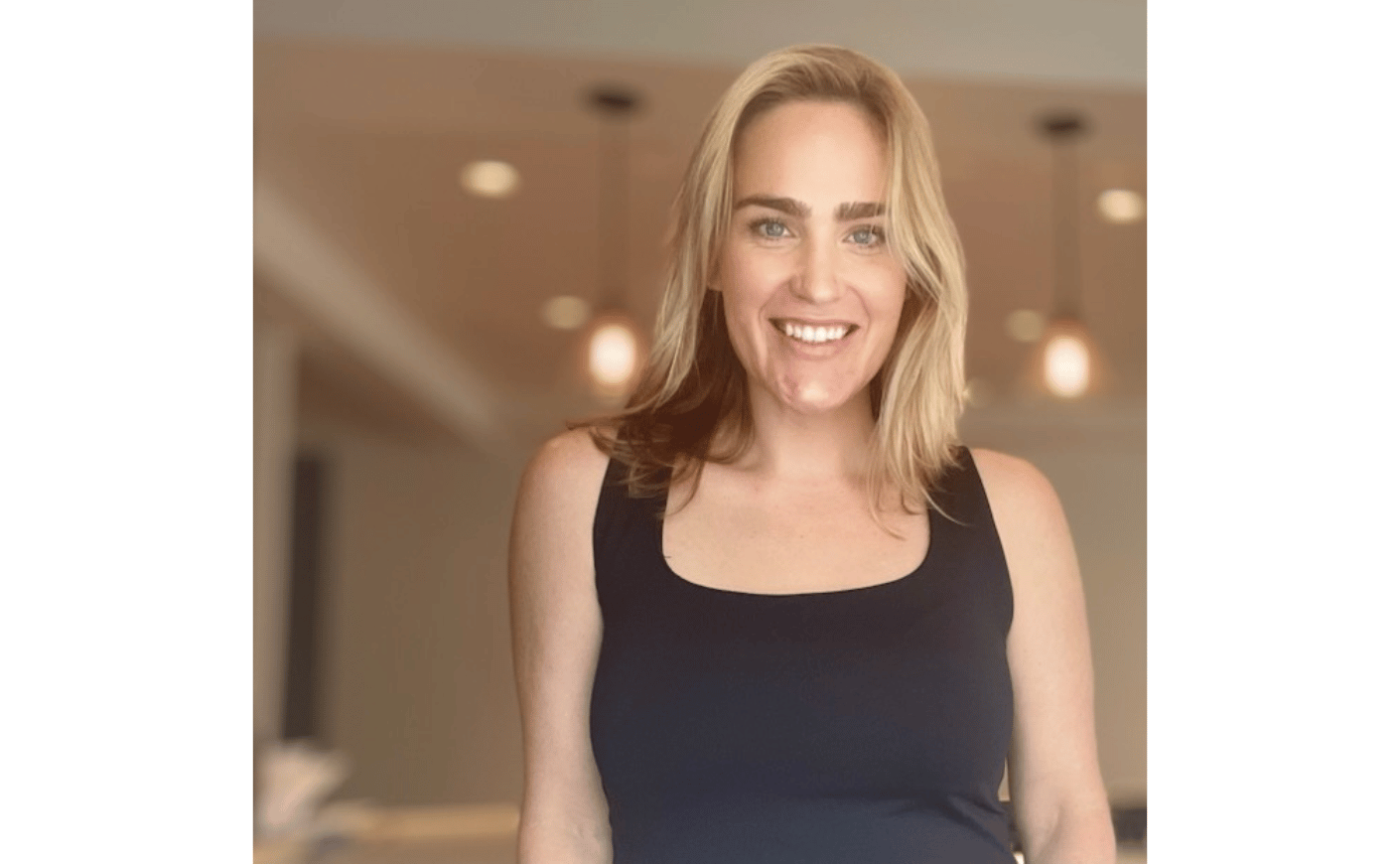
On paper, Alex Gardella’s life looked amazing. She was building a career in real estate while raising three healthy children with her husband in New York City. But a series of medical issues and the opioid prescriptions that followed set her on a path toward addiction that almost killed her. Today, Gardella is sharing her story in the hopes of helping others.
Gardella’s health challenges had been building for years. With her first pregnancy in 2017, she experienced significant anxiety about becoming a new mother, unsure if she was ready. When her twins were born via C-section she was prescribed opioid pain medication to manage the surgical pain. It was the first time she recalls taking a substance that made her feel not just physically better, but emotionally calmer. Unfortunately, her anxiety continued to escalate into severe postpartum symptoms, including panic attacks and difficulty sleeping.
Over time, it appeared to Gardella and those around her that her mental health leveled out. In hindsight, she recognizes that she was drinking heavily to cope with ongoing postpartum anxiety and stress, developing a reliance on alcohol that was easy to rationalize and hide. She recalls feeling worried that she was developing a problem with alcohol, waiting until it felt “late enough” in the day to have her first drink and experiencing hangovers the next day. Professionally and socially, Gardella was thriving, which made it harder to see that anything was wrong. It was during this period, Gardella says, that she first sensed she was in a cycle of problematic drinking and didn’t know how to get out of it.
When she took the prescribed opioids, Gardella finally began to feel like herself again.
Then, in 2020, Gardella became pregnant again just before the COVID-19 pandemic began. She was able to stop drinking during the pregnancy, but without the alcohol she lost one of the coping tools she had quietly relied on. While not entirely unexpected, the pregnancy felt destabilizing.

Following her second C-section, Gardella experienced a serious medical complication. A retained placenta required an emergency operation and she was again prescribed opioid pain medication to manage the pain during recovery. The physical trauma of two surgeries in quick succession, combined with the emotional shock of the experience, sent her mental health into rapid decline. When she took the prescribed opioids, Gardella finally began to feel like herself again. Her mind was quiet and she was able to breathe and focus. Having taken opioids before, she recognized the familiar sense of relief and found herself relying on them to get through the day.
Gardella’s experience reflects a broader public health crisis. Prescription opioid pain medications continue to play a role in a decades-long opioid epidemic linked to nearly one million deaths in the United States. In 2023, an estimated 5 million adults in America were living with opioid use disorder, many of whom first encountered opioids through legitimate prescriptions to treat a medical condition, just like Gardella.
For nearly $300 a week, a dealer she found through an online message board would hide pills in a magazine that the doorman at her Upper West Side building would unknowingly deliver to her apartment.
When Gardella’s refills ran out, she was not ready to go back to a life she describes as “devoid of spirit.” So, she found a new way to get opioids. For nearly $300 a week, a dealer she found through an online message board would hide pills in a magazine that the doorman at her Upper West Side building would unknowingly deliver to her apartment. She didn’t fit the stereotype of someone living with an opioid addiction, and that made it easier for everyone, including Gardella, to ignore what was happening.
Less than two years after the birth of her third child, Gardella underwent another surgery to remove a liposarcoma tumor. The doctors prescribed a low dose of opioid pain medication that she knew wouldn’t be enough to manage her pain given the tolerance she had built up. She spiraled. Her husband sensed that something was wrong and begged her to stop, but she was still deep in denial. “I minimized everything — to my psychiatrist of 10 years, to my husband of nearly a decade. I went through the motions of ‘getting help’ while hiding the truth. Everyone around me believed I was okay, because I worked very hard to make it look that way,” said Gardella.
Weeks after the surgery, Gardella agreed to speak with her psychiatrist, a provider she trusted. During that conversation, she was diagnosed with opioid dependence. At the time, Gardella says she wasn’t committed to recovery, even as she sought help.
After teaching Sunday school and then having brunch with friends, she got into a cab. The next thing Gardella remembers was waking up in an ambulance following an opioid overdose.
Gardella worked on her recovery for nine months. During this time, she was not taking medication for opioid dependence, but remained engaged in counseling and therapy. She also relied on exercise and determination to stay away from drugs, managing to “white knuckle” her way through, but found the experience extremely difficult.
In January 2023, she bought pills from her dealer again. After teaching Sunday school and then having brunch with friends, she got into a cab. The next thing Gardella remembers was waking up in an ambulance following an opioid overdose. “I had noticed that the pill looked different from what I usually took, and remember thinking that if something were to happen, at least the nanny was home,” shared Gardella. “Later, I learned that our nanny was the one who found me and called for help. When I apologized to the paramedics, one of them looked at me and said, ‘Don’t apologize to me, apologize to your husband and your three beautiful kids.’”
That was her wake-up call.
The following week, Gardella met with her addiction counselor; they spoke about her experience, her relapse and the options available to her moving forward. After completing detox from opioids, Gardella was prescribed VIVITROL® (naltrexone for extended-release injectable suspension) by her psychiatrist as part of a broader recovery plan that included counseling and ongoing support.
VIVITROL is a prescription injectable medicine used to prevent relapse to opioid dependence, after opioid detoxification. To be effective, VIVITROL should be part of a comprehensive management program that includes psychosocial support. You should not receive VIVITROL if you are using or have a physical dependence on opioid-containing medicines or opioid street drugs, are having opioid withdrawal symptoms or are allergic to naltrexone or any of the ingredients in VIVITROL. See additional Important Safety Information below.
This time, she says, she approached recovery differently, with a clearer understanding that opioid dependence is a disease, and a greater willingness to fully engage in the support available to her. Rather than feeling like she was managing everything on her own, Gardella describes leaning more intentionally on her care team and support system. The combination of VIVITROL, counseling and her own commitment helped her remain consistent in her recovery efforts.
With time to reflect on her journey so far, Gardella notes that, “Continuing to actively engage in recovery is a choice I make each day — not because I feel weak, but because I finally understand what support looks like for me.”
I want others to know that it’s OK to need help and to raise their hand to ask for it.
Alex Gardella
Gardella is sharing her story with the goal of helping others. “My hope is that sharing my story brings awareness to the fact that opioid dependence doesn’t discriminate. I am educated, successful, have a great career and a beautiful family…on paper I look like I have the perfect life, but addiction can happen to anyone. I can say that now, without shame. And I want others to know that it’s OK to need help and to raise their hand to ask for it.”
This story is Alex’s alone and does not represent all people living with opioid dependence and individual results may vary. The information included is not a substitute for professional medical advice. Always talk to your healthcare provider.
Please read the Important Safety Information below. Discuss all benefits and risks with a healthcare provider.
INDICATIONS AND IMPORTANT SAFETY INFORMATION
VIVITROL® (naltrexone for extended-release injectable suspension) is a prescription injectable medicine used to:
- treat alcohol dependence. You should stop drinking before starting VIVITROL.
- prevent relapse to opioid dependence, after opioid detoxification.
You must stop taking opioids before you start receiving VIVITROL. To be effective, VIVITROL must be used with other alcohol or drug recovery programs such as counseling. VIVITROL may not work for everyone. It is not known if VIVITROL is safe and effective in children.
IMPORTANT SAFETY INFORMATION
Do not receive VIVITROL if you:
- are using or have a physical dependence on opioid-containing medicines or opioid street drugs, such as heroin. To test for a physical dependence on opioid-containing medicines or street drugs, your healthcare provider may give you a small injection of a medicine called naloxone. This is called a naloxone challenge test. If you get symptoms of opioid withdrawal after the naloxone challenge test, do not start treatment with VIVITROL at that time. Your healthcare provider may repeat the test after you have stopped using opioids to see whether it is safe to start VIVITROL.
- are having opioid withdrawal symptoms which may include anxiety, sleeplessness, yawning, fever, sweating, teary eyes, runny nose, goose bumps, shakiness, hot or cold flushes, muscle aches, muscle twitches, restlessness, nausea and vomiting, diarrhea, or stomach cramps.
- are allergic to naltrexone or any of the ingredients in VIVITROL or the liquid used to mix VIVITROL (diluent).
VIVITROL can cause serious side effects, including:
- Risk of opioid overdose. You can accidentally overdose in two ways.
- VIVITROL blocks the effects of opioids, such as heroin or opioid pain medicines. Do not try to overcome this blocking effect by taking large amounts of opioids—this can lead to serious injury, coma, or death.
- After you receive a dose of VIVITROL, its blocking effect slowly decreases and completely goes away over time. If you have used opioid street drugs or opioid-containing medicines in the past, using opioids in amounts that you used before treatment with VIVITROL can lead to overdose and death. You may also be more sensitive to the effects of lower amounts of opioids:
- after you have gone through detoxification
- when your next VIVITROL dose is due
- if you miss a dose of VIVITROL
- after you stop VIVITROL treatment
Tell your family and the people closest to you of this increased sensitivity to opioids and the risk of overdose.
Ask your healthcare provider about medicines like naloxone or nalmefene, that can be used in an emergency to reverse an opioid overdose.
Call 911 or get emergency medical help right away to treat an opioid overdose or accidental use of an opioid, even if naloxone or nalmefene is administered.
- Severe reactions at the site of injection. Some people on VIVITROL have had severe injection site reactions, including tissue death. Some of these reactions have required surgery. VIVITROL must be injected by a healthcare provider. Call your healthcare provider right away if you notice any of the following at any of your injection sites:
- intense pain
- the area feels hard
- large area of swelling
- lumps
- blisters
- an open wound
- a dark scab
Tell your healthcare provider about any reaction at an injection site that concerns you, gets worse over time, or does not get better within two weeks.
3. Sudden opioid withdrawal. To avoid sudden opioid withdrawal, you must stop taking any type of opioid, including street drugs; prescription pain medicines; cough, cold, or diarrhea medicines that contain opioids; or opioid-dependence treatments, including buprenorphine or methadone, for at least 7 to 14 days before starting VIVITROL. If your doctor decides that you don’t need to complete detox first, they may give you VIVITROL in a medical facility that can treat sudden opioid withdrawal. Sudden opioid withdrawal can be severe and may require hospitalization.
4. Liver damage or hepatitis. Naltrexone, the active ingredient in VIVITROL, can cause liver damage or hepatitis. Tell your healthcare provider if you have any of these symptoms during treatment with VIVITROL:
- stomach area pain lasting more than a few days
- dark urine
- yellowing of the whites of your eyes
- tiredness
Your healthcare provider may need to stop treating you with VIVITROL if you get signs or symptoms of a serious liver problem.
Before you receive VIVITROL, tell your healthcare provider if you:
- have liver problems, use or abuse street (illegal) drugs, have hemophilia or other bleeding problems, have kidney problems, or have any other medical conditions.
- are pregnant or plan to become pregnant. It is not known if VIVITROL will harm your unborn baby.
- are breastfeeding. It is not known if VIVITROL passes into your milk, and if it can harm your baby. Naltrexone, the active ingredient in VIVITROL, is the same active ingredient in tablets taken by mouth that contain naltrexone. Naltrexone from tablets passes into breast milk. Talk to your healthcare provider about whether you will breastfeed or take VIVITROL. You should not do both.
Tell your healthcare provider about all the medicines you take, including prescription and non-prescription medicines, vitamins, and herbal supplements. Especially tell your healthcare provider if you take any opioid-containing medicines for pain, cough or colds, or diarrhea.
If you are being treated for alcohol dependence but also use or are addicted to opioid-containing medicines or opioid street drugs, it is important that you tell your healthcare provider before starting VIVITROL to avoid having sudden opioid withdrawal symptoms when you start VIVITROL treatment.
Do not drive a car, operate machinery, or do other dangerous activities until you know how VIVITROL affects you. VIVITROL may make you feel dizzy and sleepy.
VIVITROL can cause serious side effects, including:
Depressed mood. Sometimes this leads to suicide, or suicidal thoughts, and suicidal behavior. Tell your family members and people closest to you that you are taking VIVITROL.
Pneumonia. Some people receiving VIVITROL treatment have had a type of pneumonia that is caused by an allergic reaction. If this happens to you, you may need to be treated in the hospital.
Serious allergic reactions. Serious allergic reactions can happen during or soon after an injection of VIVITROL. Tell your healthcare provider or get medical help right away if you have any of these symptoms:
- skin rash
- swelling of your face, eyes, mouth, or tongue
- trouble breathing or wheezing
- chest pain
- feeling dizzy or faint
Common side effects of VIVITROL may include:
- nausea
- sleepiness
- headache
- dizziness
- vomiting
- decreased appetite
- painful joints
- muscle cramps
- cold symptoms
- trouble sleeping
- toothache
These are not all the side effects of VIVITROL. Tell your healthcare provider if you have any side effect that bothers you or does not go away. You are encouraged to report all side effects to the FDA. Visit www.fda.gov/medwatch, or call 1-800-FDA-1088.
Click for Full Prescribing Information and Medication Guide
ALKERMES® and VIVITROL® are trademarks of Alkermes, Inc.
©2026. Alkermes, Inc. All rights reserved.
VIV-007677
