






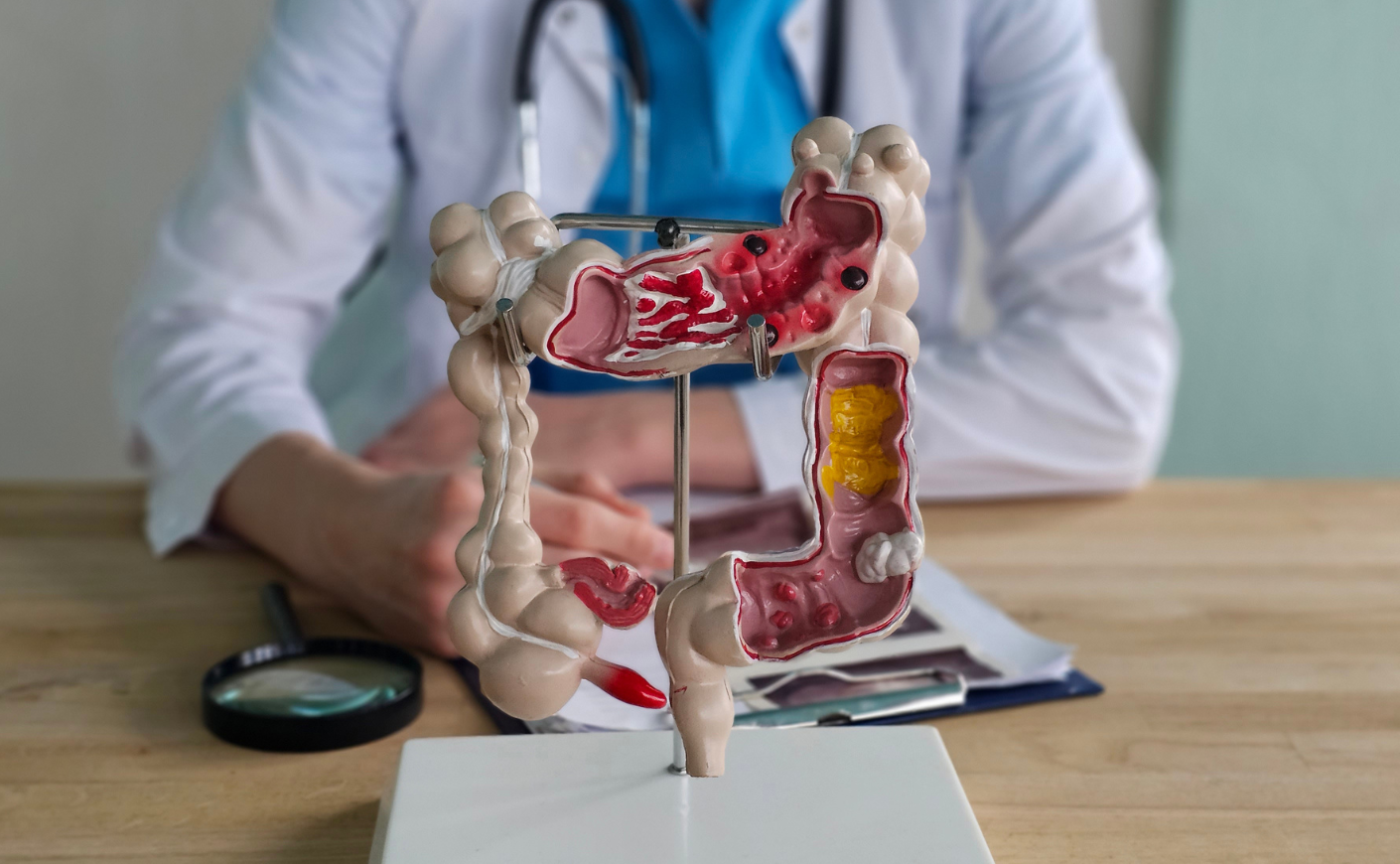
Since the 1990s, researchers have known that the burden of colorectal cancer has been shifting. Like most forms of cancer, CRC used to be considered an older person’s disease. But over the past few decades, rates have been swiftly rising among younger patients — and according to a new report from the American Cancer Society, nearly half of new cases now occur in adults under 65.
But it’s not only this demographic shift that researchers have noticed: Where people are developing these cancers has changed, too. Rectal cancer, which used to account for about a quarter of CRC cases, is becoming much more common, ACS data shows.
We’re unpacking why researchers suspect this change is occurring and digging into some of the other alarming trends uncovered by the report.
Colorectal cancer is rising among younger people
While cases of colorectal cancer continue to decline among older patients (dropping 2.5 percent each year between 2013 and 2022), the number of younger patients with the disease continues to climb. Among people 20 to 49 years old, the incidence of CRC has grown 3 percent annually. Now, 45 percent of new cases are in adults 65 and under — up from 27 percent in 1995.
“There’s still a bias that young people don’t get colorectal cancer,” William Dahut, MD, the ACS’s chief scientific officer, tells us. “It needs to be made clear that that is not the case.”
Jessica Catlin was diagnosed at 39 with stage-three rectal cancer after three clinicians dismissed her symptoms. She had noticed blood in her stool for months, but all three doctors — including a GI specialist — told her she was “too young for colorectal cancer” and insisted internal hemorrhoids were to blame, the now 49-year-old who lives in Chicago, tells us.

When she was finally given a colonoscopy, about a year after she’d first raised the issue, doctors found a two-inch lesion in her rectum. Fortunately, her oncologists were able to treat the cancer with a course of radiation and surgically remove the tumor, but she urges anyone who notices early symptoms — like bloody stools — to get screened.
“You have to be assertive with your doctors, and don’t be afraid to push back,” she says. “It’s better to be safe than sorry.”
The cohort effect in colorectal cancer
This silver lining of declining diagnoses among older Americans may not continue either, data suggests. That’s because of a phenomenon researchers have observed called the “birth-cohort effect,” where people born after the 1950s appear to have an increased risk for CRC. That swing can be seen in the uptick in cases among people 50 to 64. Rates of the disease declined 2.6 percent each year between 2005 and 2011, but between 2011 and 2022, cases inched up 0.4 percent annually, as people born after the 1950s entered the age range.
Experts believe the risk for CRC may rise progressively with each generation. Research shows people born in 1990 are twice as likely as those born in 1950 to develop colon cancer, and four times as likely to develop rectal cancer.
The concern is that as this cohort — younger Baby Boomers and onward — ages, CRC cases “will continue to swell like a tsunami moving through time,” the report reads.
Rectal cancer is becoming more common
After decades of decline, rates of rectal cancer have risen by about 1 percent each year from 2018 to 2022. Rectal cancer, which originates in the last 12 to 15 centimeters of the large intestine, now accounts for about a third of CRC cases — up from 27 percent in the mid-2000s, according to the ACS.
This form of CRC tends to be more common in younger people, and experts believe it’s also driven by different factors than colon cancer. Obesity and lack of exercise, for instance, are both more closely associated with tumors in the colon. While having at least three alcoholic drinks a day significantly increases our risk of rectal tumors, Dr. Dahut says.
Researchers have been focusing on agents, like alcohol, microplastics, ultra-processed foods, and antibiotics, that may be altering the gut microbiome — the delicate ecosystem of bacteria, viruses, and fungi inhabiting our intestinal tract — and promoting inflammation.
“These toxins are more likely to accumulate in the rectum prior to evacuation — as opposed to throughout the colon,” Dr. Dahut says, which may account for the rise in rectal cancer cases.
No one knows for sure what’s behind this surge, but what’s clear is that more needs to be done. “We must double down on research to pinpoint what’s driving this tsunami of cancer in generations born since the 1950s,” Ahmedin Jemal, Ph.D., a lead author of the study, says.
