




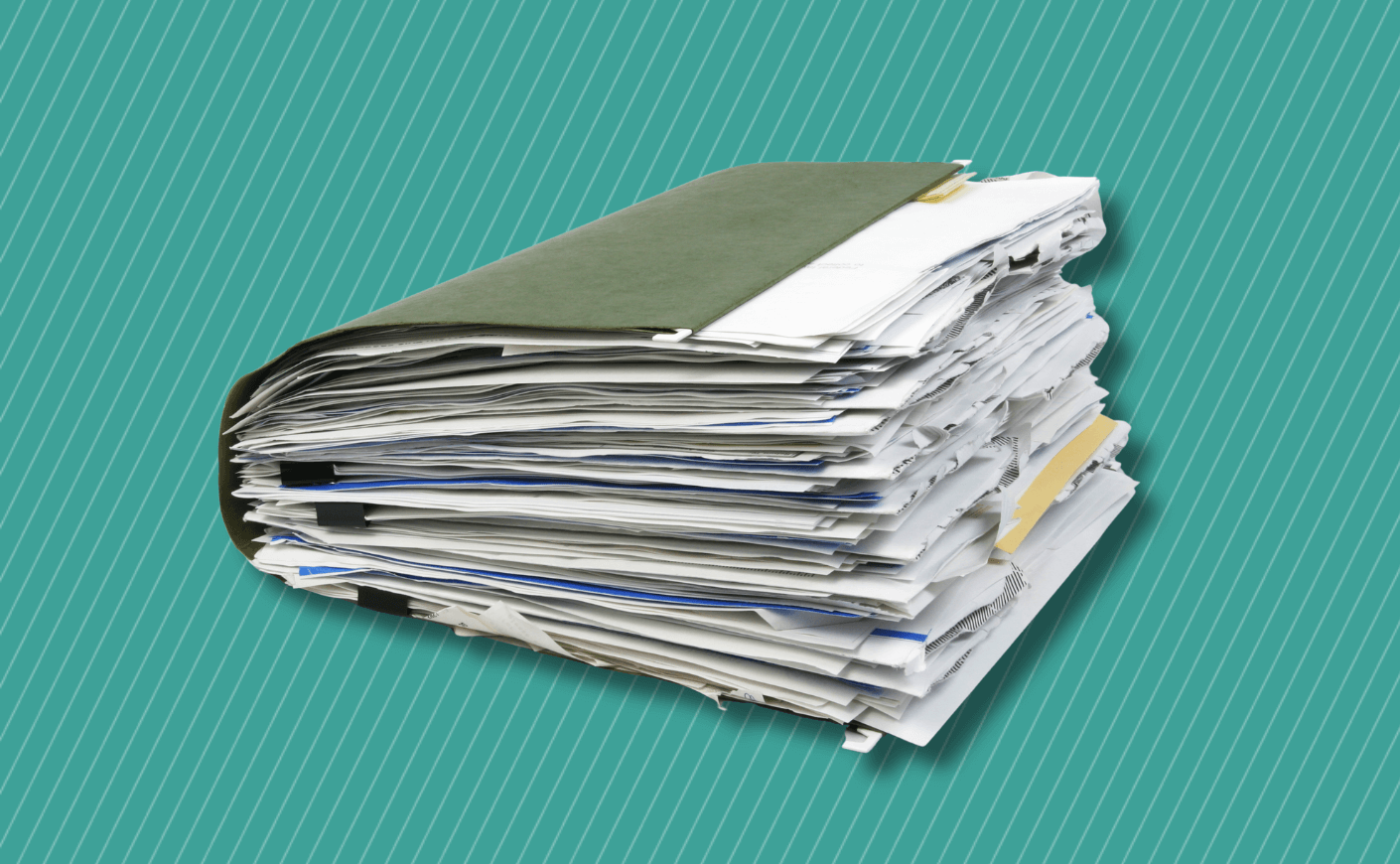
For years, my tax “system” was keeping a large envelope labeled “IMPORTANT” that I would shove things into without looking. W-2? In the envelope. Random 1099? In. A receipt that may or may not have been from a deductible business lunch? Definitely in. And every year, just weeks before the filing deadline, I would ceremoniously dump the contents onto my kitchen table, like I was revealing evidence in a courtroom drama. Nailed it.
I talk about money for a living. And still, tax season has always made me anxious. Why didn’t they teach us how to do any of this in school?
Luckily, 2026 feels different. While the cost of professional help keeps climbing, filing tools have gotten smarter and more accessible. A growing number of people are opting to do their taxes themselves, allowing them to file earlier and with more control than ever before. I have watched friends who once outsourced everything now file their returns from their phones between school pickup and dinner.
Plus, DIYing the process can save you money: If you have a straightforward financial situation (e.g. single source of income, standard deductions etc.) and are considering filing your return on your own this year, you might end up saving yourself on average $160 compared with typical preparation costs.
Here are five simple ways to make this filing season work in your favor.
Early filing isn’t about being first — it’s about being smart
I used to treat the tax-filing deadline like it was flexible. It’s not. When you file last minute, you're more likely to:
- Pay rush fees for hired help.
- Make stress-induced errors that lead to delays.
- Leave your refund stuck in limbo.
And let’s be honest: A tax refund is not a bonus. It's your money that was tied up by the state and federal governments all year, interest-free. Filing sooner means getting that cash back into your hands quicker, whether you want to cover debt, rebuild savings where you can earn additional interest, or cushion unexpected expenses. Earlier filing is less about earning gold stars for punctuality and more about control of your own finances.
DIY tax-filing tools have come a long way
There was a time when doing your own taxes felt like being forced to decode ancient scrolls. Now, modern DIY platforms function more like guided interviews. They walk you through clear questions, translate IRS terminology into plain English, and are built to handle everything from traditional employment income to freelance side gigs.
There are also more zero-cost options available. Earlier this year, PayPal announced its partnership with a platform called april, giving U.S. PayPal Debit Mastercard customers the option to file both federal and state returns at no charge using april’s DIY tax filing service. The experience lives inside the PayPal app and walks users through step-by-step, allowing them to upload documents, enter information, and e-file directly with the IRS in less than 20 minutes.
Preparation beats panic
Before you log into any filing tool, take a few minutes to gather what you need. Here are things to collect and keep nearby:
- Last year’s tax return
- W-2s or 1099 forms
- Mortgage interest and property tax statements
- Investment income summaries
- Records of miscellaneous deductible expenses (e.g. charitable donations, student loan interest, etc.)
Then think through any major life changes over the past year. A new job. A new baby. A side hustle that turned into real income. A home purchase or sale. Retirement contributions. These shifts affect your return more than most people realize. A simple checklist can prevent late-night scrambling and unnecessary errors.
Stay current on the tax-filing rules
Tax law changes every year: Income brackets adjust for inflation. Contribution limits evolve. Reporting rules for freelance/gig income shift. So before you file, take a few minutes to get up to speed. The IRS website is a good place to start; there, you'll find up-to-date information on the latest changes, tax-filing tip videos, and quick FAQs for everyday filers. While most modern DIY tools automatically incorporate these updates into the filing process, it's helpful to take the time to understand why a question is being asked, making you more confident as you go through your answers. Confidence reduces mistakes — and mistakes cost you money.
Turn your savings into power
Filing your own taxes isn't just about convenience, it's about leverage. If DIY filing saves you a few hundred dollars, that money can strengthen your emergency fund, increase a retirement contribution, or pay down high-interest debt. Small amounts redirected intentionally can create long-term momentum.
The year I finally ditched my “IMPORTANT” envelope and filed early using a guided tool, and nothing dramatic or complicated happened. I knew what I owed, what I was getting back, and why. Filing on my own helped me keep the whole process — and my money — in one centralized place, which made everything feel easier to track and manage. I received my federal refund five days early and immediately had the flexibility to use it right away.
Tax season doesn't have to feel scary. In fact, it can be the moment you stop avoiding managing your money — and start owning it.
Nicole Lapin is a New York Times and Wall Street Journal bestselling author, former CNN and CNBC anchor, and the founder of the podcast network Money News Network, where she hosts the daily show “Money Rehab” and co-hosts “Help Wanted.” Known for translating high-finance into everyday language, she works to empower women and families to help transform their relationship with money.