






Fearing reprisal from the Iranian regime, the writer chose to remain anonymous. They live in New York City.
My father hasn’t been back to Iran in over 10 years. For a man so enthralled with his native land, his vatan, it hasn’t been an easy break. He called me at the height of the protests this past January to tell me that he was frantically looking for a way back to Tehran. He wanted to march alongside Iran’s youth and fight with whatever strength he had left against the very regime he once supported.
Forty-six years ago, at the height of the Islamic Revolution, my father was a young graduate student in America and just as eager to return to Iran. In those days, he trusted Khomeini’s rhetoric. He believed the grave-looking cleric was, like a messenger from God, sent to save Iran from the brutal hand of the Shah’s secret service, rampant poverty, inadequate social services, corruption, and despair.
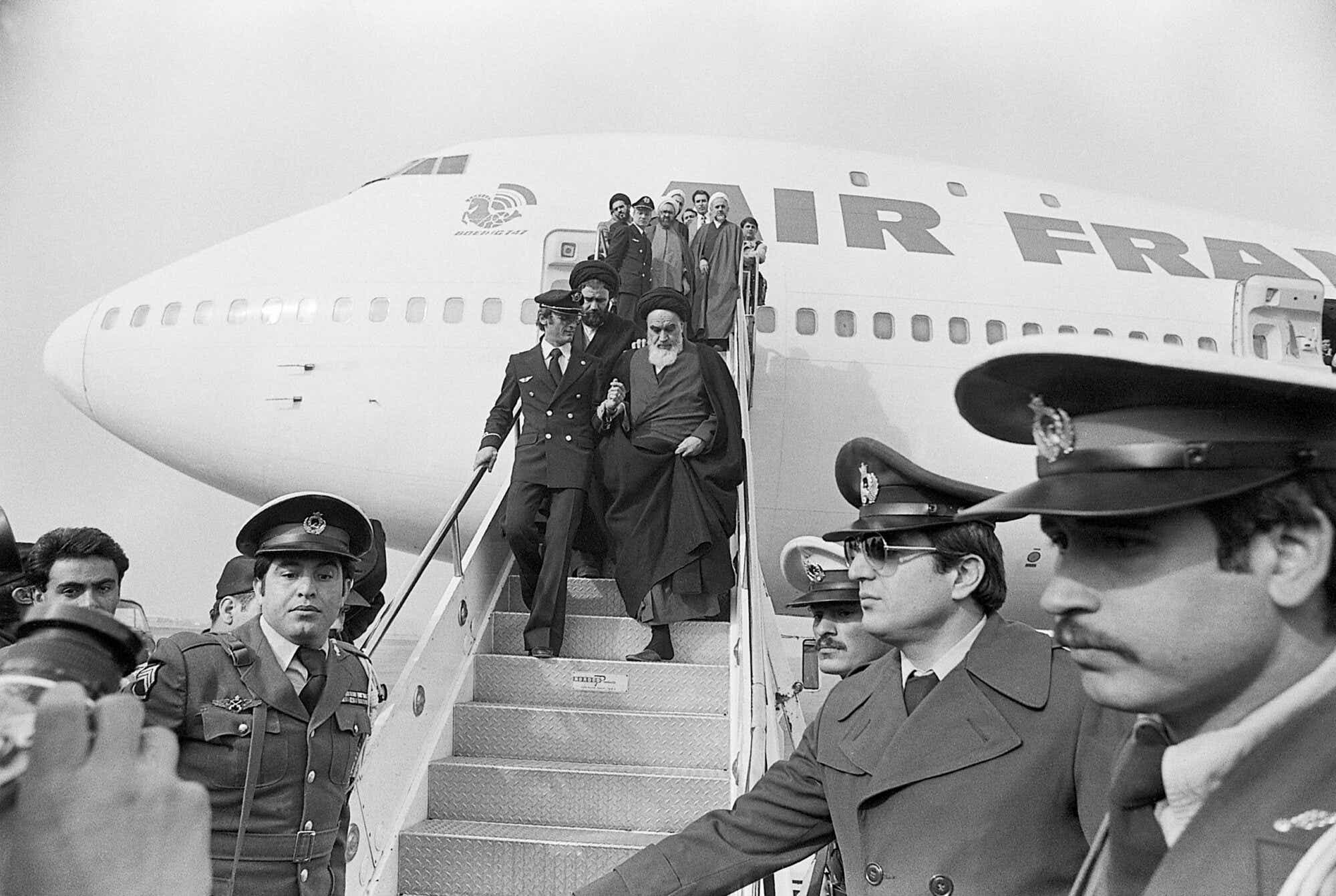
After spending 16 years of exile in France, Khomeini returned to Iran in 1979. When asked by a reporter what he felt on that momentous flight back to his homeland, the man who would usher the region into a supposed new golden age of righteousness replied simply: “Nothing,” or rather, “Heech.” If only he were alive to see what “nothing” wrought.
For a young idealist who put love of country above all else, Khomeini’s clearly spoken truth should have sounded a wailing bevy of alarms. After all, if he felt nothing returning to his homeland after 16 years of exile, what legacy could he possibly leave? Instead, my father, along with millions of other compatriots, threw his support behind the Mullahs — a blind trust that cost him everything.
Islamists led the country into a bloody eight-year war with Iraq and brought about a new kind of oppression and brutality on a scale not seen in Iran’s modern history. Intellectuals, writers, poets, musicians, filmmakers, journalists, dissidents, wary Republicans, Tudeh communists, atheists, and leaders of opposing sects and religions were either imprisoned without trial or summarily killed.

It didn’t take long for my father to realize his mistake. For the next three years, he burrowed his way through dust and sand, living a refugee’s non-existence, until he was finally granted a visa to the United States in 1983, where his then-wife and two young children were living.
As a political refugee, he risked never going back to his native land. For a man wedded to his birthplace, never was too long a sentence. He bided his time and waited for the ever-shifting sands to move again. Nominal diplomatic ties were painstakingly re-established. Apologies were made: on the American side, for the coup against Mossadegh. And on the Iranian side, for the unforeseeable (and in more progressive revolutionary circles, even regrettable) hostage crisis. These allowed my father to tiptoe back to the place where all his dreams seemed to begin and end. Over the next two decades, he returned to Iran at least once a year to see his family, with whom he’d remained close despite the distance and many years of separation.
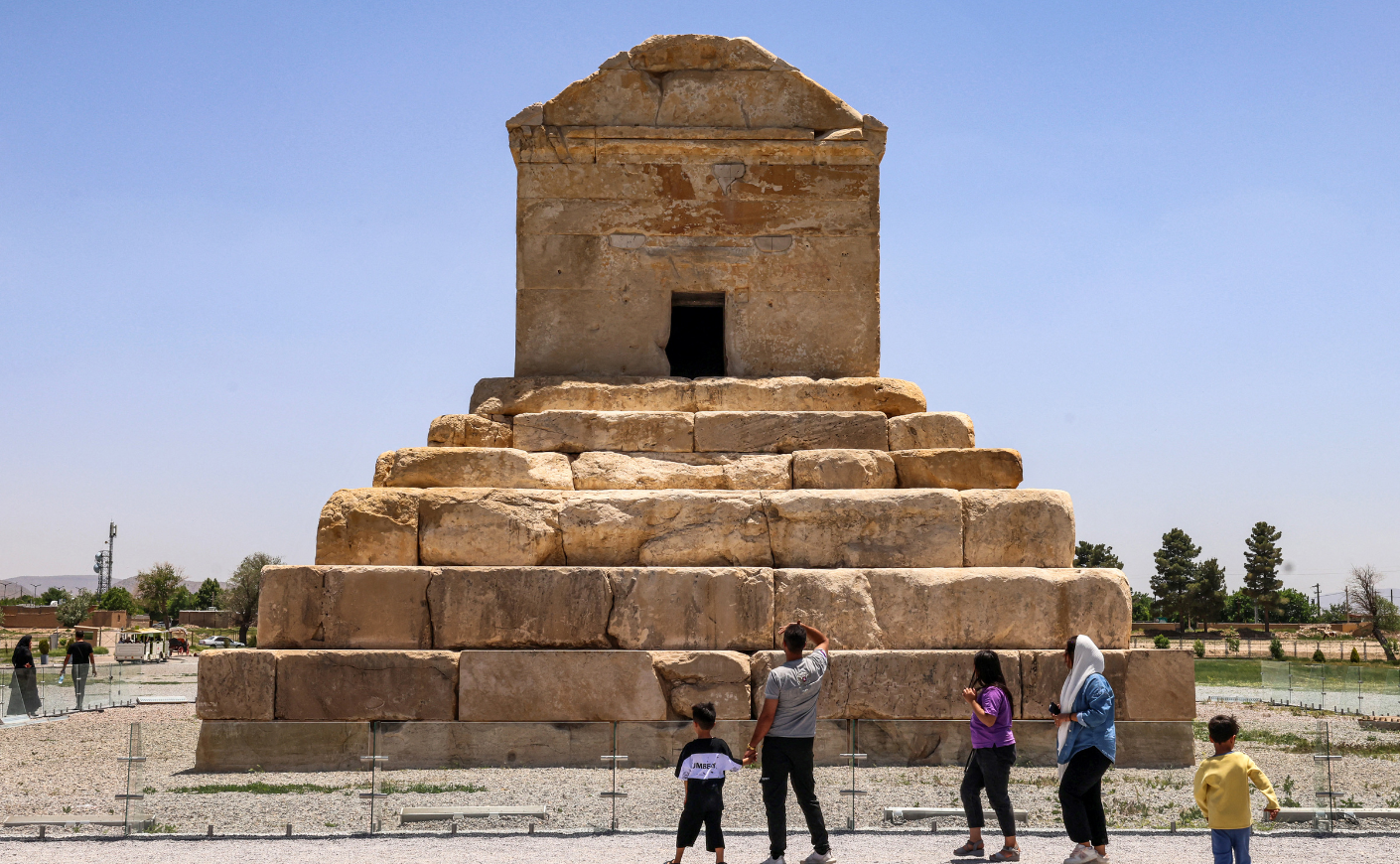
My father’s love of country was infectious, and even though I was raised in the United States, I too have spent my life under Iran’s spell. We traveled there together in the early 2000s, driving from Tehran to Kashan to Yazd and Pasargadae, where Cyrus’s tomb sits crumbling in the middle of yellow sands, to the wishing tree in Abarghoo to Shiraz and up to Mashhad, where my mother’s family still lives.
Over the years, rising addiction to opiates and synthetic drugs among Iran’s youth, out-of-control inflation, joblessness, ever more corruption and poverty than during the Shah’s reign, and the creeping distrust between family members made each visit back that much harder. My father railed against the Mullahs for all their deceits and didn’t care who heard him. He was 73 the last time he ventured home. His advanced age didn’t stop the authorities from detaining and subjecting him to hours of harsh questioning about his motives for coming to Iran and his true allegiance.
Sitting in that dark room under the kind of glaring lights one sees in movies, a new, bitter realization dawned on him: These were not his people, and his beloved vatan had forever changed. Going back wasn’t worth giving up what was left of his sanity — not to mention, the countless freedoms he enjoyed in America.
My last visit in 2012 was enough to quench my thirst. My passport, cellphone, and camera had been taken from me. I couldn't leave the country for nearly two months and was brought in for questioning. As an artist, the government was interested in my political leanings. I assured them I had none. My interrogator said they needed more time to make that determination for themselves and repeated the same message I’d heard all along: “We’ll be in touch.”
I could barely sleep and spent my days tethered to a landline waiting for their next call. I’d gone to Iran to visit my beloved grandmother, but all I could think of was finding my way home and getting back to my children.
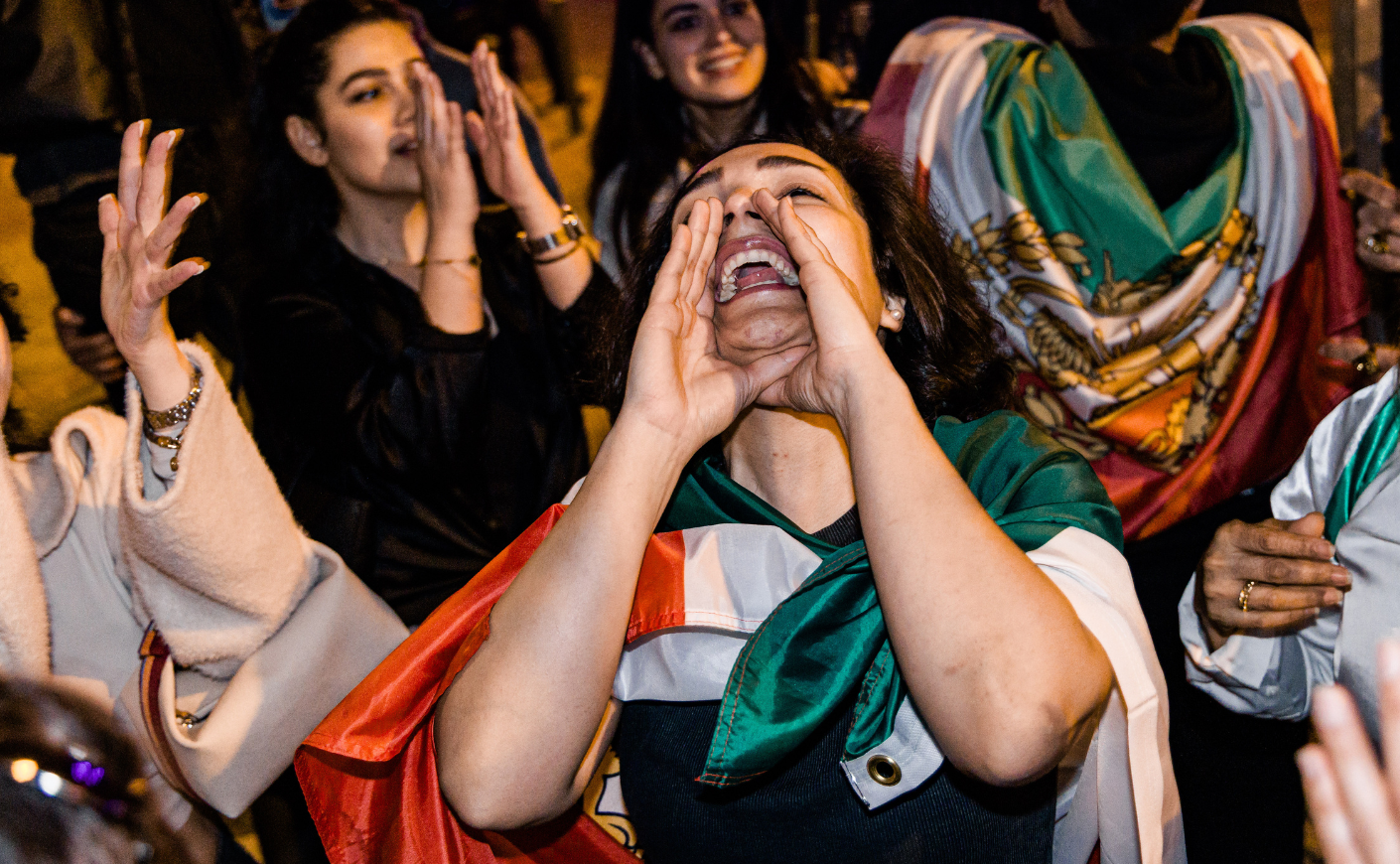
The protests of early January both bolstered the Iranian community and made our hearts ache. Forty-six years ago, women in black chadors and men in military jackets chanted “Death to the Shah,” and “Death to America.” Today, kids in black bomber jackets wearing colorful Nike sneakers and girls without hejab chant “Death to the Dictator,” and “Javid Shah” — long live the king. Images of Iran’s youth singing and dancing and chanting for freedom despite the threat of being taken away or killed mirrored the true Persian spirit. An oppressor’s iron grip can cause the worst pain, but it can’t stop the soul from yearning for love, freedom, and joy.
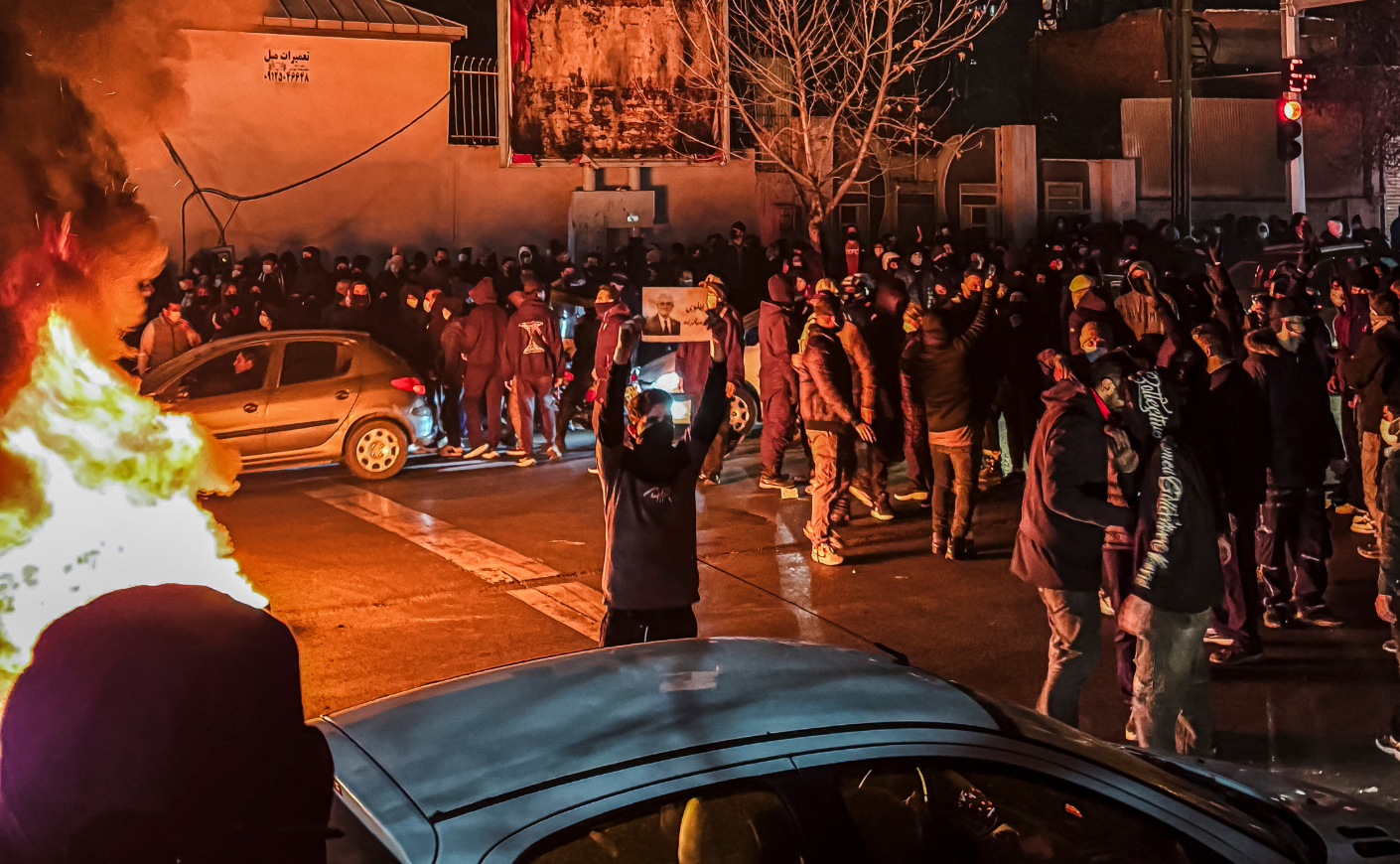
In recent years, Iranians have grown increasingly disenchanted with their leadership and began clamoring for the one thing they never thought they’d want: outside military intervention. After the brutal suppression of countless protests, many ending with the unconscionable massacre of thousands of unarmed young people, it seemed to be the only way.
On February 28, their prayers were finally answered. News of Ali Khamenei’s death as a result of strikes by the U.S. and Israel brought Iranians out of the long, dark night and into the streets, singing and dancing again.
The word paradise has its root in the Persian pardis. We were cast out of ours, and a quiet suffering continues its shadowy path alongside the Diaspora’s outward successes. Now, our dreams of visiting the land of music, poetry, and roses — if only to pay our respects to loved ones lost over these many years of exile — feel more in reach.
Many Iranians support President Trump’s actions, my father especially. He was overjoyed when I spoke with him on Saturday, a far cry from the anguish I’d heard in early January. But war is never easy, and the road ahead is long and treacherous.
For now, we’ll do what we’ve always done and add our prayers to those of our loved ones back in Iran. We pray for the safety of U.S. troops and innocent civilians throughout the region. We pray Iranians are able to live among their neighbors in peace and with renewed prosperity.
We pray that the last 47 years haven't been for heech.
Fearing reprisal from the regime, the writer of this piece chose to remain anonymous. They live in New York City.
