






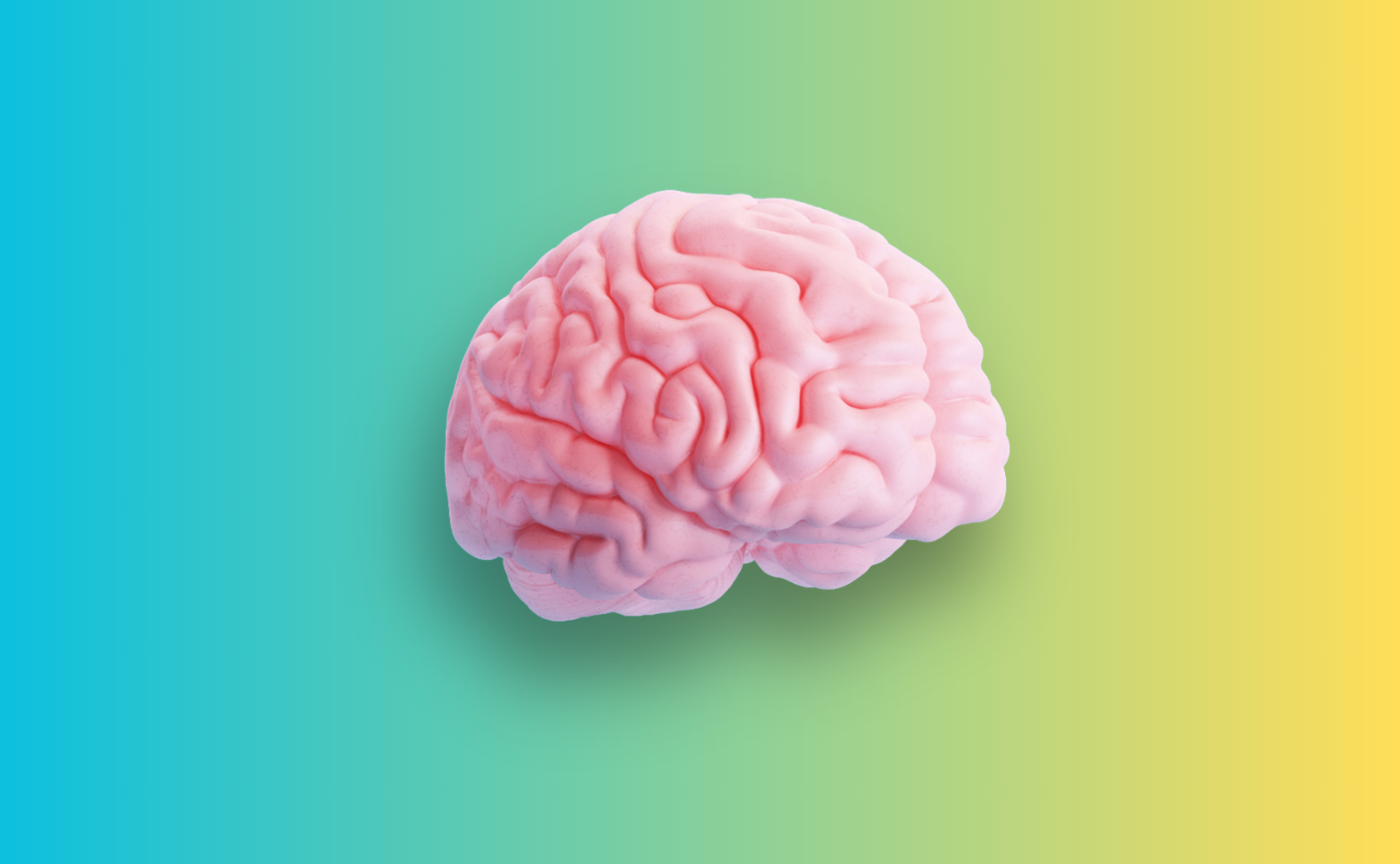
Many people think of the brain like a computer: A new one, right out of the box, is lightning fast with tons of memory. But as they get older, computers slow and inevitably break down.
The brain isn’t quite the same as your laptop, though, says neurologist Majid Fotuhi. It has the amazing ability to grow, and even reverse, signs of cognitive decline.
“People need to change their attitudes about brain aging,” says Dr. Fotuhi, a professor at Johns Hopkins and a renowned expert on Alzheimer’s and dementia. “It’s not just a downhill course.”
In 2012, Dr. Fotuhi developed a 12-week program that’s helped thousands of patients with mild cognitive impairment improve their memory, focus, and clarity — and even grow their hippocampus, a critical structure in the brain. Now he’s sharing his brain-training regimen in a new book, The Invincible Brain, and we've got his tips for staying sharp, no matter your age.
What inspired you to write The Invincible Brain?
In 2012, I developed a brain-fitness program to help people with mild cognitive impairment improve their memory. Studies show that there are several things you can do to rejuvenate your brain, and I wanted to apply those methods in a real neurology clinic. We found that it worked much better than expected. People came to us convinced they had Alzheimer’s disease and couldn’t memorize even a short sequence. By the time they finished, they could memorize 20 things and showed increased volume in their hippocampus, the part of the brain involved in memory.
After a while, we were booked solid, and I realized that many more people could benefit from this. So I decided to lay the whole program out in a book for people to follow.

Can you explain why Alzheimer’s and dementia are thought to be largely preventable?
Hundreds of studies have shown that things like obesity, poor diet, insomnia, and a sedentary lifestyle can literally shrink your brain through three mechanisms: reduced blood flow, increased inflammation, and a failure to clear the brain of waste. This was all discovered in the 1980s and 1990s, but what became clear in the decades following is that many things can reverse that shrinkage. For example, one study showed that if you walk 40 minutes three times a week, you’ll see a 2 percent increase in the volume of the hippocampus in one year.
When I wrote my first book, The Memory Cure, in 2002, I wanted to include the subtitle: “How to Prevent Alzheimer’s Disease.” Back then, that was a novel idea and it felt like too bold a statement to put on my book. But these days, if you talk to any neurologist they’ll tell you that the cognitive decline that happens with aging can be significantly reduced, and that you absolutely can decrease your risk of Alzheimer’s.
What does your 12-week brain-training program look like?
I started with what I believe are the five main pillars of brain health. The first is exercise: The fitter you are, the larger your hippocampus and the lower your risk of Alzheimer’s disease. Then there’s optimal sleep. During a good night’s rest, a cleansing process occurs that clears the brain of waste, which is important to keep the organ healthy. The third is nutrition. Foods that are highly processed, are high in trans fat, or have a high glycemic index increase inflammation and reduce blood flow in the brain.
The next is stress reduction. When you stress out, your hippocampus suffers more than the rest of the brain. And if you're stressed every day for years, that chips away at your hippocampus a little bit every day. And finally, there’s brain training. Your brain is like a muscle: The more you use it, the stronger it gets.
Can you discuss how breathwork can help strengthen the brain?
Doing breathing exercises for 10 minutes a day can increase blood flow to the brain, reduce inflammation, and has been shown to reduce the hallmarks of Alzheimer’s disease in the brain. It’s amazing. You can see the reduction in amyloid, which is a marker of Alzheimer’s, when you do these exercises for three or six months — and all you’re doing is breathing.
Here’s a simple exercise I like to do with my students: You breathe in while counting six seconds, hold your breath for three seconds, exhale for six, and repeat.
If you had to pick just one thing someone can do from the five pillars to support your brain health, what would it be?
I think the most important thing people can do is exercise. No other intervention can increase the number of neurons in the hippocampus. This has been shown in animal studies: If you put mice in a cage with a running wheel, the more they exercise, the larger their hippocampus and the lower their levels of amyloid.
So if you could do only one thing, it should be to stay active. You don’t have to run a marathon, just walk 3,000 to 5,000 steps a day. Several studies have shown that even 10 minutes of exercise can make a measurable difference in the brain.
What do you think will be the next big breakthrough in Alzheimer’s research?
I think that one day we’ll be able to manage patients with Alzheimer’s disease in the same way we treat patients with diabetes, in that Alzheimer’s will become a condition that can definitely be prevented and most certainly be managed. New drugs are being developed to reduce the plaques and tangles, which are hallmarks of the disease. The first generation of those drugs are minimally effective, but I’m hopeful that the second and third generations will be better. And that 5 or 10 years down the road, we’ll be able to combine those medications with the right lifestyle interventions and a diagnosis of Alzheimer’s won’t be a death sentence anymore.
This interview has been edited for length and clarity.
