






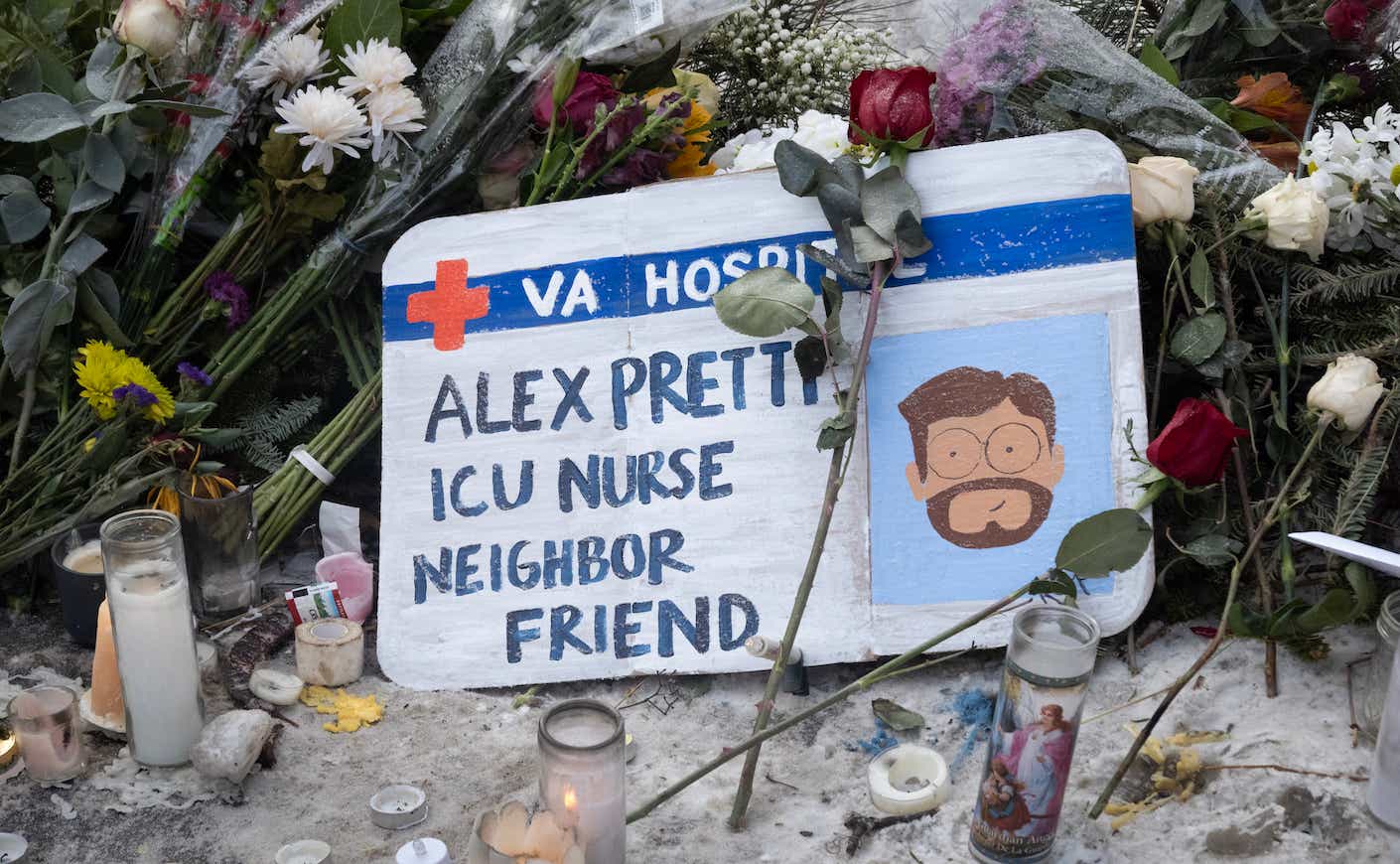
As medical professionals, we are trained to assist people who are injured or in need of help. We're taught to run toward a crisis, not away from it. When someone is hurt, when someone is dying, we don't ask questions first. We act. That's who we are as healers.
We instinctively think: I need to check for a pulse. Perform CPR. Stop the bleeding.
It's automatic. Our hands are already moving before our brain catches up. When we see someone down, someone who might be dying, our bodies just move. Help, now. We don't think about who they are or what brought them to that moment. We think about whether they're breathing. Whether their heart is still beating. Whether we can bring them back.
As a physician, I took an oath: to do no harm, to provide care, to preserve life. No exceptions, no judgment. But there's no clause that says, "unless helping puts your own life at risk." When someone's life is in critical danger, the answer has always been clear.
But what happens when we're not allowed to check that pulse? When the instinct to save a life is met with a barrier? When our training is nullified by callousness and cruelty, rather than allowing us to fulfil our oath?
What happened in Minnesota this weekend to ICU nurse Alex Pretti confirmed a fear that had been building inside me: It is not safe to help. I no longer feel protected or allowed to provide care in a crisis.

I'm hearing from patients, immigrants with documents, who are scared. They worry they won’t be able to prove citizenship or status fast enough if approached by ICE. The ones without papers, I don’t see much of them anymore. A mother called my office last week, hesitant to bring her sick daughter in. Not because she couldn't afford it. Not because she didn't have insurance. But because she was terrified that seeking medical care might somehow put her family at risk. They are here legally and have all the documents, but that doesn't matter. The fear of getting stopped keeps them away.
We've been through this before. My dad was a Black man who lived to 99. He served in three wars: World War II, the Korean War, and the Vietnam War. He came home and became a special education teacher for 26 years. For his whole life, he told me stories about always having to be ready to explain who he was, what he was doing, where he was going, just because of the color of his skin.
It feels like we are heading backward, toward that existence, where walking the streets requires documentation in hand if you don't fit the mold of what an "American" is supposed to look like. Where the definition of belonging keeps getting narrower and narrower, based on complexion, accent, profession, and religion.
In my exam room, I'm watching patients make impossible calculations. Do I go to the ER for this chest pain, or do I wait and see if it passes? Do I bring my child in for that high fever, or do I manage it at home? These aren't medical decisions anymore. They're survival strategies.
Being in public feels dangerous, and that's keeping people locked in their homes and reluctant to seek care for general health issues.
This puts me in an impossible position, too. I became a physician to heal. To be present in someone's most vulnerable moment and say, "I'm here. You're safe. Let me help you." But how can I, or any healthcare professional, promise safety when simply providing care might be met with aggression?
Over the weekend, the healthcare community lost one of its own: Alex Pretti, a 37-year-old ICU nurse at the Minneapolis VA hospital. Though I didn't know Alex personally, his family and friends have shared who he was: someone who chose to care for those who served this country. Alex stayed with patients when they were dying. He held families together when they faced impossible decisions. He showed up every day because healing people mattered to him.
I've worked with ICU nurses for years. They show up for patients who are sick and scared. They stay when things get hard. They help. Alex didn't know the woman who got shoved to the ground, but of course, he went to help. That's what ICU nurses do. A video is going around showing Alex giving a proper send-off to a veteran who died. My parents both served, and I lost them recently, so I know those send-offs well. I've experienced them from both sides of the gurney. Most VA nurses have something special, a calling not only to take care of veterans, but to help the community and the country, and based on Alex’s actions, he had that same calling.
In a video recorded after one of his veteran patients passed away, Alex gave a final salute and said these words: "Today we have to remember that freedom is not free. We have to work at it, nurture it, protect it, and even sacrifice for it."
Clearly, he lived those words. He cared deeply about people, justice, and standing up when he saw others being harmed. And it cost him his life.
I hear people say, "Well, they shouldn't be getting in the way of the law." But the law is also supposed to protect human rights, basic humanity, and human life. When we can no longer stand up for another person's right to live, to seek healing, what principles do we have left?
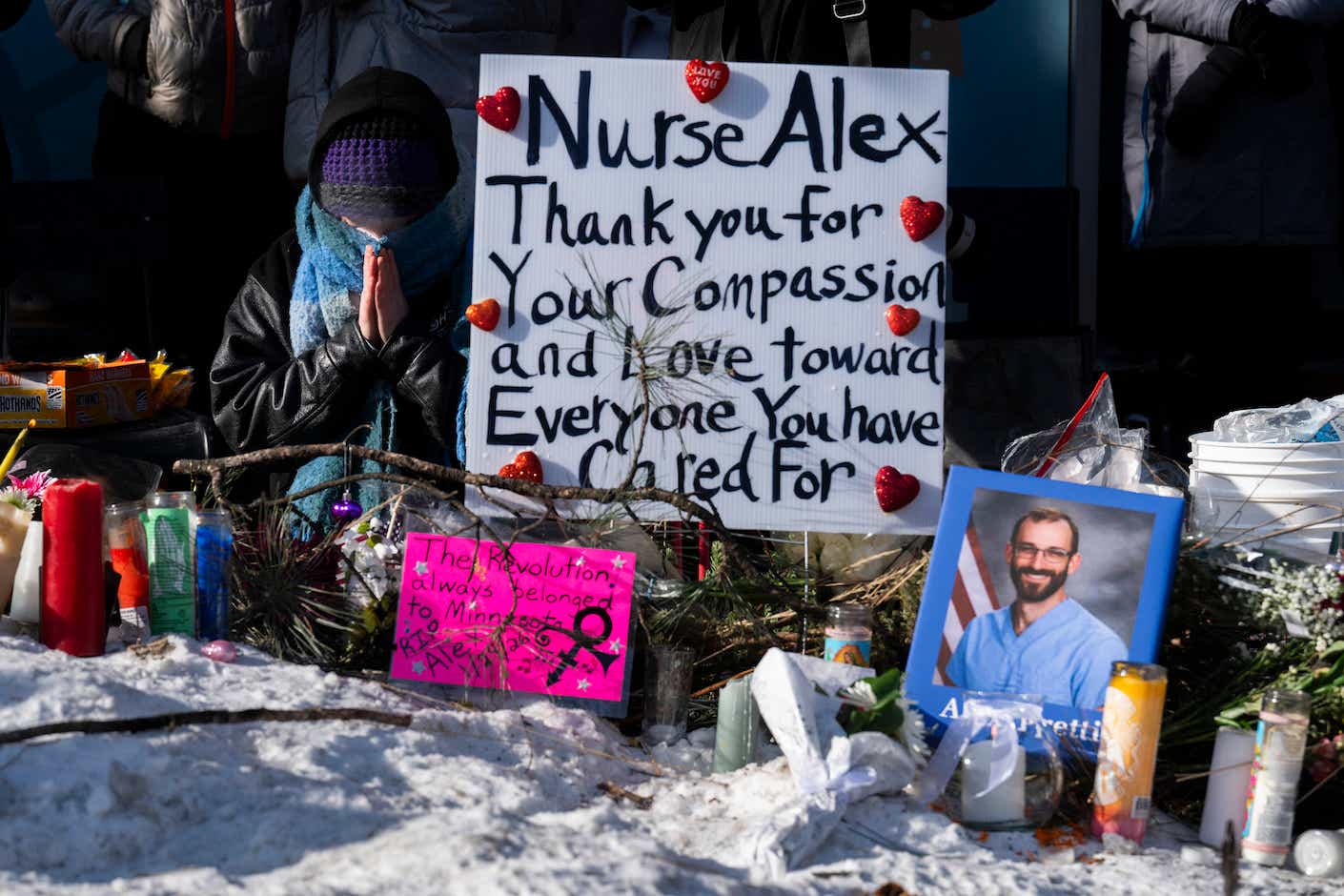
Fear is replacing freedom.
Politics shouldn't dictate who gets healed. When someone is suffering, we should be allowed to respond with care, not get blocked by vengeance.
When a patient comes to me in crisis, I don't ask for their story first. I don't ask for their documentation. I ask: What hurts? How can I help? That's the oath I took.
Alex Pretti understood this, too. He practiced it every day in that ICU, caring for veterans who gave everything for this country, and he lived it on the street, protecting others from assault.
Helping people is now dangerous. Caring for others, healing, saving lives, standing up and protecting the vulnerable, these things can cost you your life.
I don't recognize what we've become.
