






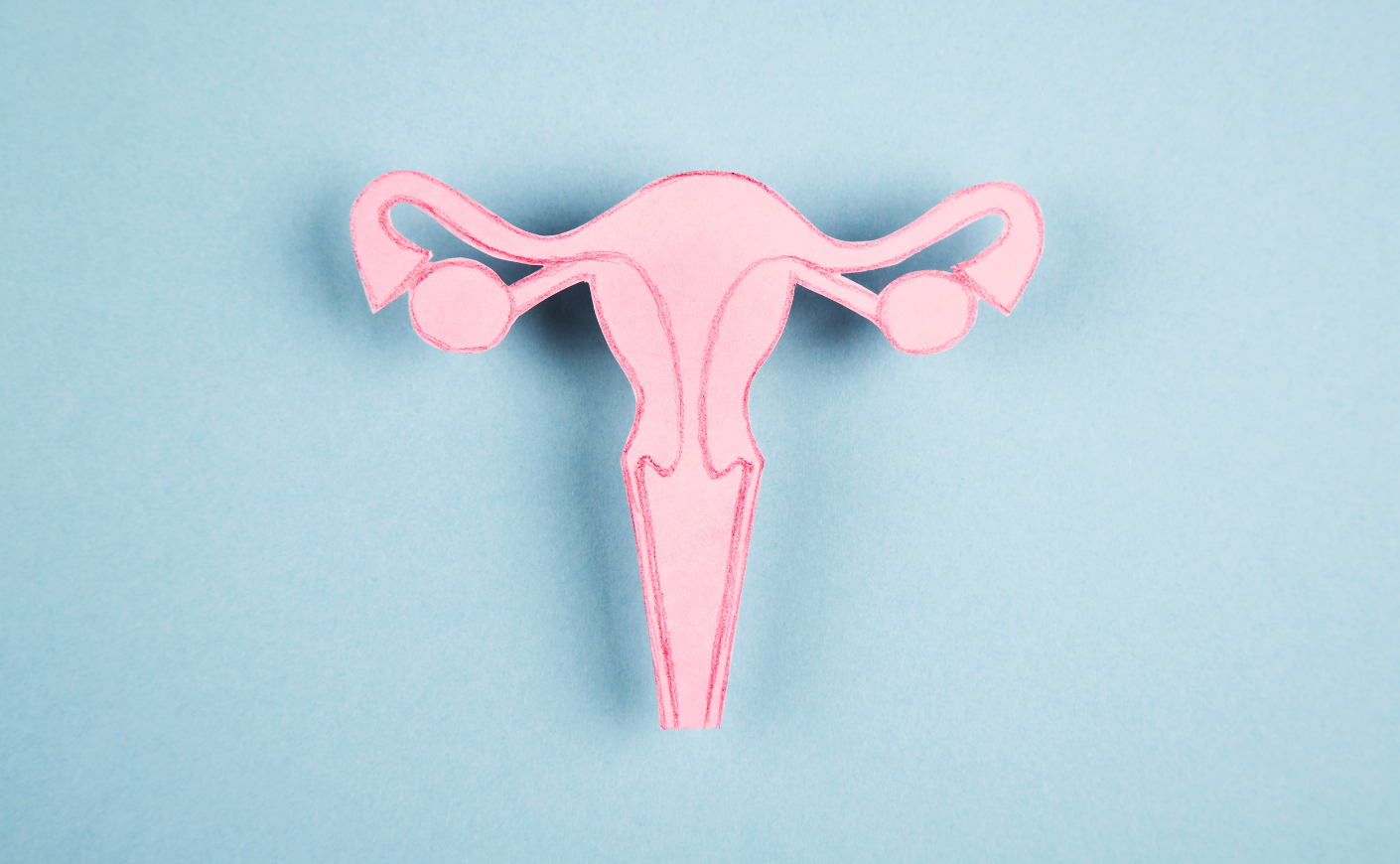
The American Cancer Society has made a major change to its guidelines for cervical cancer screening.
In an effort to see more women get screened, the organization announced that self-collected vaginal samples would now be accepted under its guidance. The change comes after the Food and Drug Administration approved the first at-home human papilloma virus (HPV) self-collection test, called the Teal Wand, in May.
The ACS also released new recommendations on when older women can safely stop getting screened for the disease.
Here’s a closer look at the new rules, how they could impact your next visit to the OB/GYN, and why some experts are concerned about the update.
ACS includes self-collection for HPV testing in new guidelines
The ACS is now endorsing self-collected vaginal tests as an option for women beginning at age 25. These tests, in which a woman uses a swab or brush to collect a sample in private, should be conducted every three years. Getting screened by a health care provider, which is the ACS's preferred option, should be done every five years, says William Dahut, the ACS’s chief scientific officer.
Experts are hoping that the new tests, which allow women to skip the stirrups and speculum, will help boost screening numbers. Rates of mammograms and colonoscopies declined during the Covid era, but have since rebounded. That’s not the case for cervical cancer screening, and it’s part of a downward slide that began about 20 years ago. In 2005, 14 percent of women were overdue for screening; in 2019, that number rose to 23 percent, according to the National Institutes of Health.

It’s not clear why exactly fewer women are getting tested. Karen Tang, MD, a gynecologist and KCM contributor, says that people with a history of sexual assault, chronic pelvic pain, or who’ve simply had a bad experience at the gynecologist’s office are more likely to skip screenings. Testing can also be a burden for women living in rural areas, far from a healthcare provider, Dr. Dahut says.
Some research indicates that self-collection could help: A 2023 study found that when HPV tests were mailed to women, screening increased by 14 percent. “This can really save lives,” Dr. Dahut says.
But there’s some concern that the update will discourage women from going to the doctor.
“I think some women will interpret it to mean that they don’t need to come as often to see their gynecologist,” says Rebecca Brightman, MD, an OB/GYN at Mt. Sinai Hospital. “And often, women turn to their gynecologists for guidance in many other areas other than cervical cancer screening.” Those less-frequent visits, therefore, could lead to women addressing other medical issues later than they typically would.
Although the vast majority of cervical cancer cases are caused by HPV (estimates range from 90 percent to 99.7 percent), not all of them are, and some may only be caught with a physical exam, says Dr Tang.
Updating the ACS guidelines for older women
The ACS is also now recommending that women who’ve had two negative co-tests at age 60 and 65 can discontinue screening. (A co-test is when a Pap test, which screens for changes to the cervical cells, and a HPV test are done together.)
Dr. Dahut says the ACS wanted to clarify its recommendation for when women can exit screening, because “there was some confusion about our prior guidelines.” But it’s crucial that older women understand their risk, he explains: About 25 percent of cases are found in women over 65, and “they often present with more advanced cancers,” Dr. Dahut says.
