Climate change has a way of showing up where you least expect it, and this week, we’re looking at how extreme weather may be quietly reshaping our relationships. We’ll also explore why scientists say warming helped fuel Canada’s massive wildfires, what record-hot oceans could mean for the months ahead, and a new effort in Florida that’s giving marine life a little more room to breathe.
|
We already know extreme weather can wreak havoc on our health, homes, and communities. But could it also be making us lonelier?
Meteorological mayhem doesn't just disrupt daily life — it can affect our relationships, too. Heat waves, storms, wildfires, and power outages can leave people isolated and upend the places and routines that help communities stay connected. And those disruptions are becoming harder to ignore: A recent AP-NORC poll found that 68% of Americans say extreme heat is affecting their outdoor activities, up from 57% two years ago.
Here’s why loneliness may be one of climate change’s most overlooked consequences, and what could help keep us connected.
|
|
|
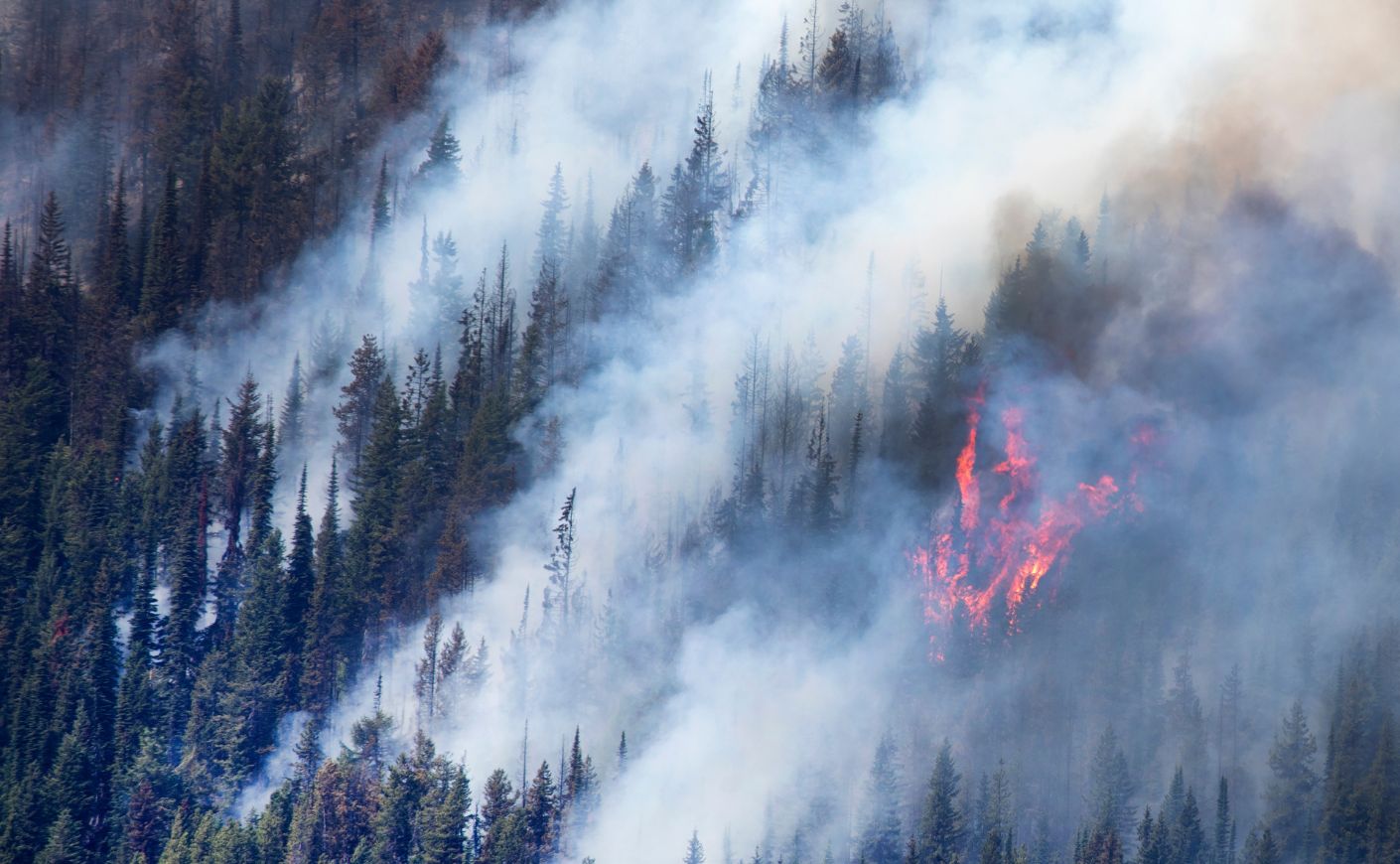
Climate change made the conditions fueling Canada’s massive summer wildfires twice as likely, according to a new analysis from an international group of scientists. The researchers found that human-caused warming has intensified the hot, dry weather that allows fires to spread rapidly — even as President Trump blames Canada for poor forest management. Scientists say the bigger issue is climate change, with one Canadian fire expert calling it “more of a climate related problem than a forest management problem.”
Hackers are increasingly targeting America’s water systems, raising concerns about the cybersecurity of the infrastructure millions of people rely on every day. Recent attacks have targeted the small computers that control pumps and valves, potentially allowing hackers to disrupt water service. Smaller utilities can be especially vulnerable because they often lack the staff and resources to keep their systems secure — and in some previous attacks, hackers gained access to equipment that was still using the manufacturer’s default password.
The world’s oceans just had their hottest July on record. Average sea surface temperatures outside the polar regions reached 69.7°F, breaking the previous high set in July 2023. The record comes as human-caused climate change is being compounded by developing El Niño conditions in the Pacific. Hotter oceans can accelerate sea-level rise, fuel stronger marine heatwaves, and intensify tropical storms — and scientists warn El Niño could push global temperatures even higher in the coming months.
Florida is creating a massive “coastal corridor” to help protect its increasingly vulnerable marine life. The project will connect artificial reefs, oyster beds, seagrass, and mangroves along the Atlantic and Gulf coasts — creating habitats for everything from fish to manatees in the process. The effort comes as climate change takes a growing toll on Florida’s waters, contributing to bleached coral reefs, damaged oyster beds, and other threats to marine ecosystems.
|
|
|
|
As much of the world swelters through summer heat waves, wouldn’t it feel nice to escape into a field of sunflowers? That’s exactly what this woman is doing in Dorset, England, as temperatures soar. We hope your own at-home florals are holding up well this season!
|
|
|
|
We'll see you for our next edition on Aug. 25! |
|
|
|
Questions or comments? Email us at info@katiecouric.com Update your preferences or unsubscribe If you buy something through this email, KCM may earn a commission. Copyright © 2026 Katie Couric Media, All rights reserved. |
|
|
|
|