Welcome back! This week, we're exploring how the environment shapes our everyday lives — from a Republican's call for a new way to talk about climate change to the impact of AI data centers and the hidden wonders of the deep ocean. Here's what's caught our eye...
|
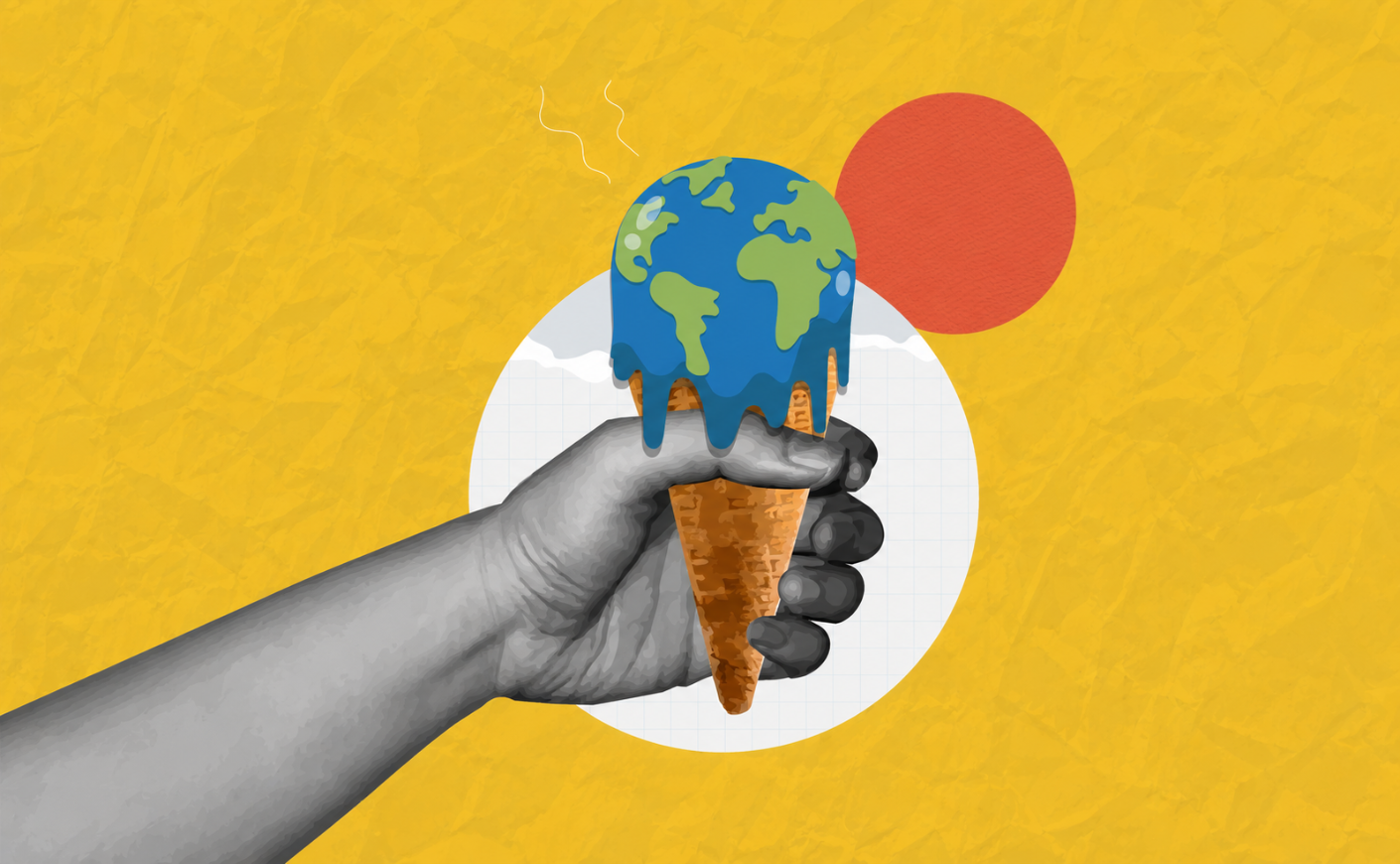
As many Republicans have distanced themselves from climate action, former Senate Majority Leader Bill Frist is making the case for a different approach. He argues that the issue has become too wrapped up in politics, making it harder to build consensus.
Rather than leading with carbon emissions or dire predictions, Frist says the conversation should start with something nearly everyone cares about: their well-being. From dangerous heat and worsening wildfire smoke to cleaner air and more resilient communities, he believes focusing on everyday impacts can help bridge partisan divides.
"Everyone cares passionately about their health, their partner's health, or the future health of their children," he tells Katie Couric Media.
While Frist acknowledges that the Trump administration's rollback of federal climate initiatives has made progress more difficult, he isn't giving up hope. Here's why he believes innovation and local action can still drive meaningful change — and help Americans find common ground.
|
|
|
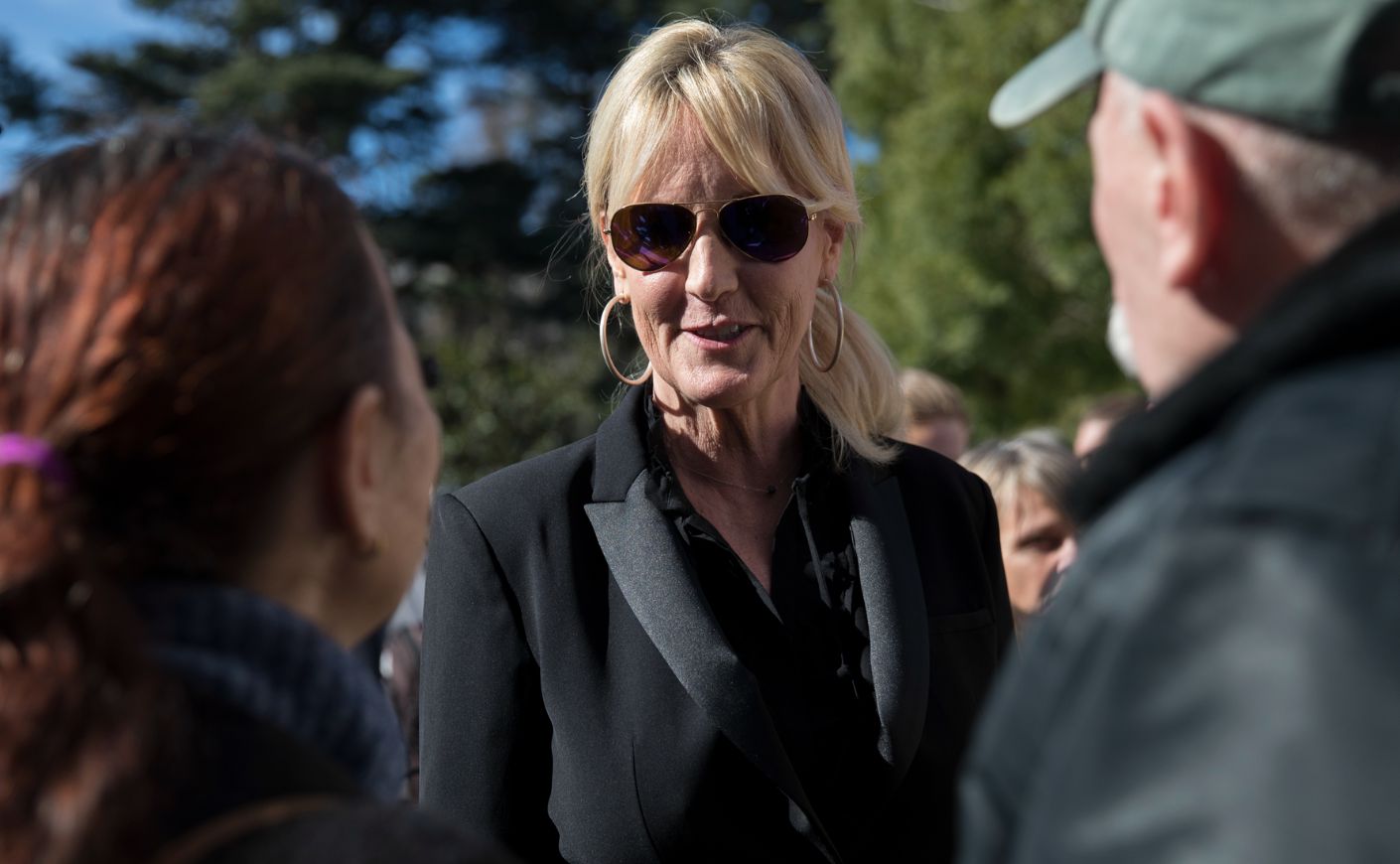
Erin Brockovich has spent decades fighting for clean water and healthier communities. Now, she's turning her attention to the rapid expansion of AI data centers. In an interview with Katie Couric, the longtime environmental advocate said thousands of people across the country have raised concerns about these proposed facilities, with many questioning their impact on water, electricity, and local populations. Brockovich argues residents deserve more transparency and a seat at the table before projects move forward. "Our land, our water, our health, and our air are the greatest gifts we have," she says. "Every one of those resources is worth fighting for."
|
|
|
|
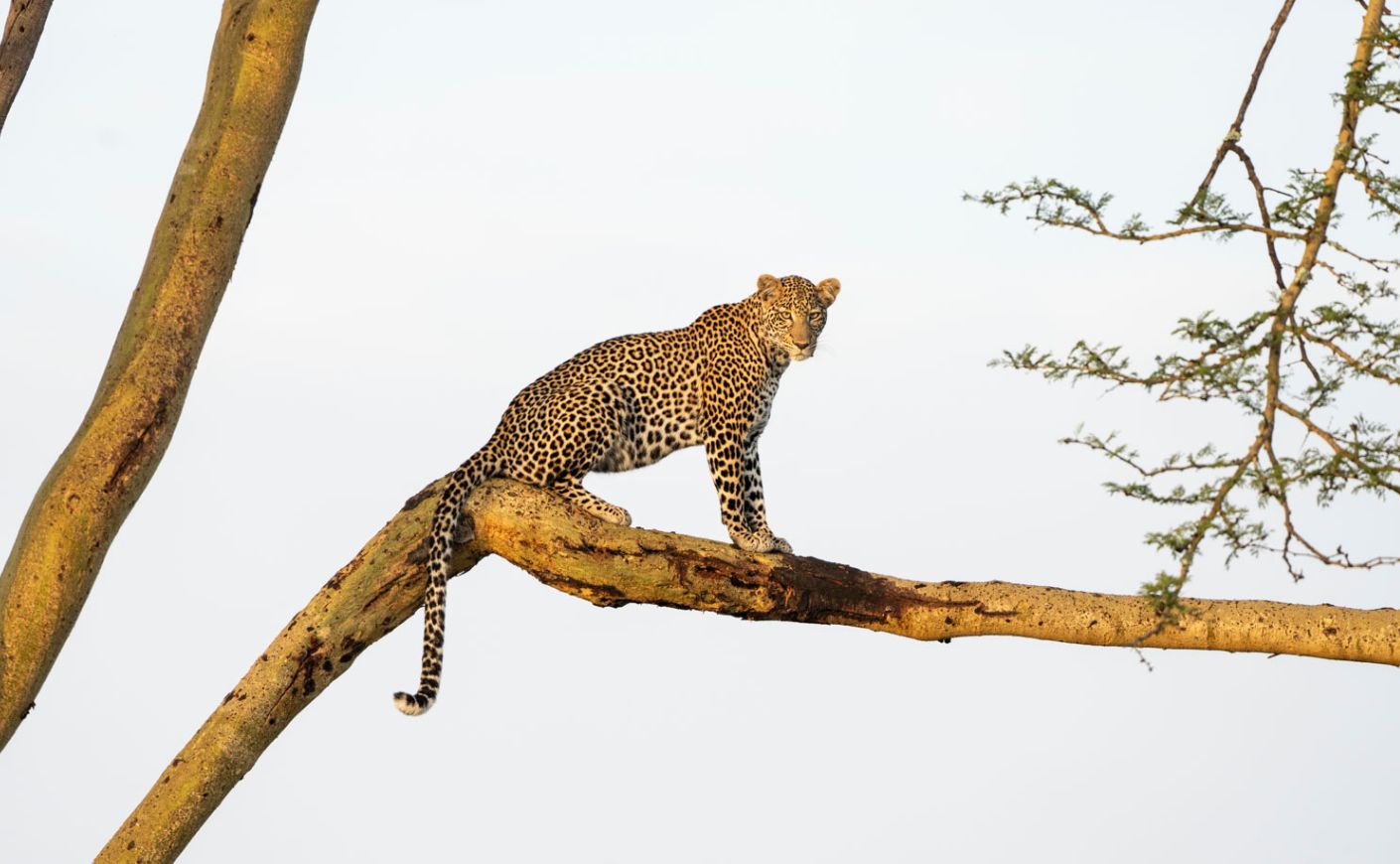
Courtesy of Cristina Mittermeier |
A lone leopard perches on a tree branch at a private conservancy in northern Kenya. Our friend at SeaLegacy, Cristina Mittermeier, tells us it's a reminder that nature is connected in ways we don't always see. What happens in the grasslands doesn't stay there — it ripples through forests, rivers, and eventually reaches the sea. |
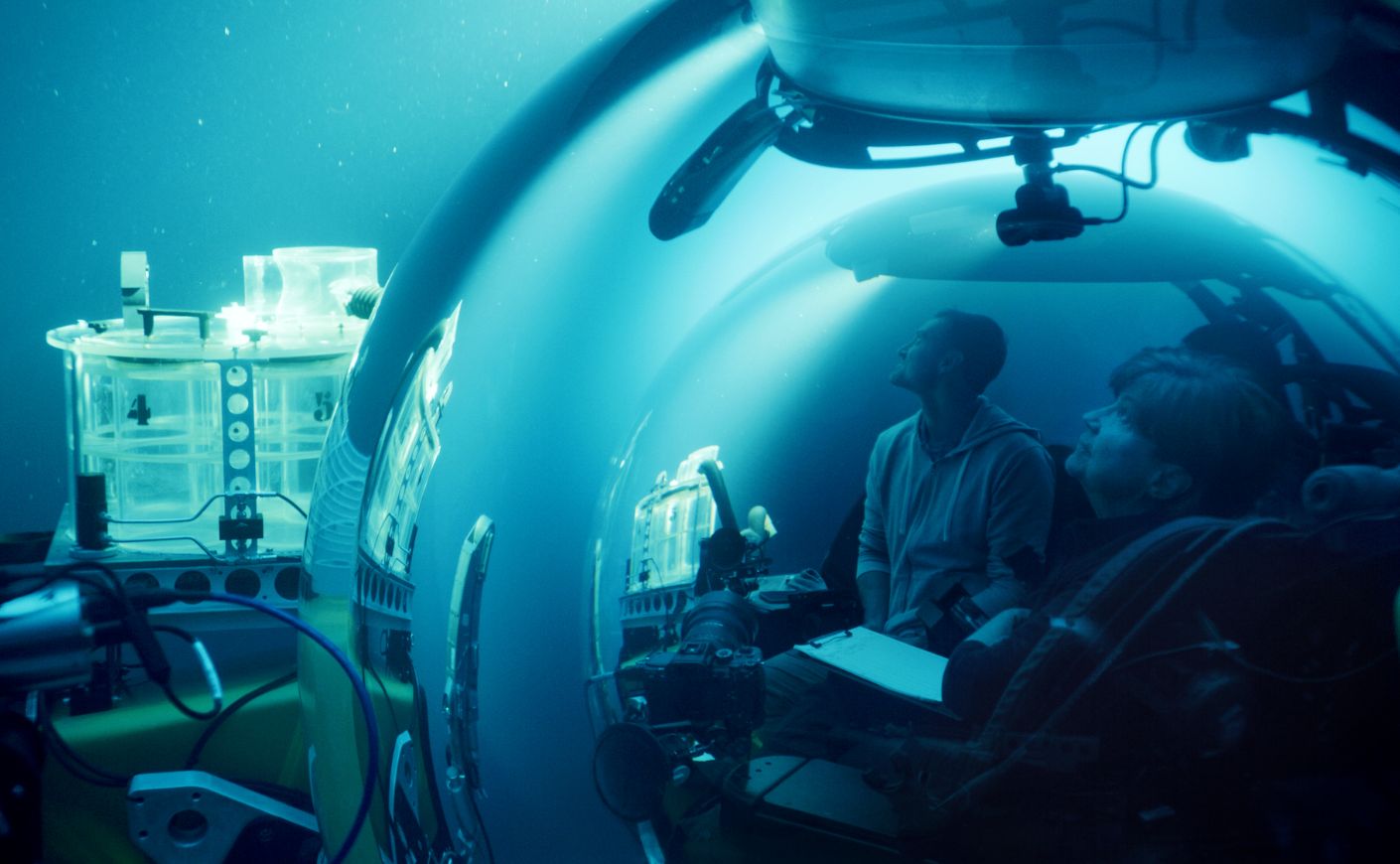
After more than four decades exploring the deep ocean, marine biologist Edith Widder says the most wondrous moment of her career came when she switched off the lights inside a deep-sea submersible and watched the seemingly empty ocean suddenly come alive with flashes and glows of blue light produced by marine animals. While many people think bioluminescence is rare, Widder calls it "one of the ocean's primary languages," used by the vast majority of animals in the largest habitat on Earth.
Intrigued? Widder explores the hidden world of bioluminescence in her new documentary, A Life Illuminated, which is now playing in select cities across the U.S. and Canada. Find a screening near you right here.
|
|
|
|
We'll see you for our next edition on August 11! |
|
|
|
Questions or comments? Email us at info@katiecouric.com Update your preferences or unsubscribe If you buy something through this email, KCM may earn a commission. Copyright © 2026 Katie Couric Media, All rights reserved. |
| |
|
|